
The growing concerns over Nigeria’s economic direction have intensified following fresh insights into rising poverty levels, with critics linking the situation to policy decisions under President Bola Tinubu. A senior voice from the camp of former Vice President Atiku Abubakar has now stepped forward, sharply questioning the administration’s approach.
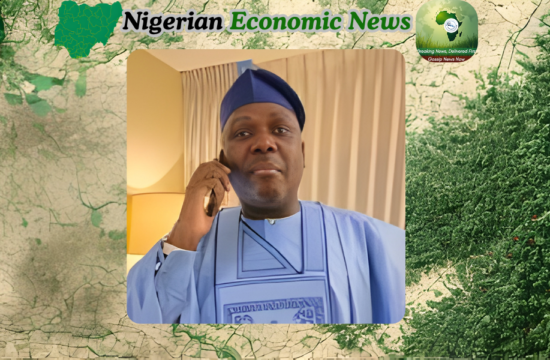
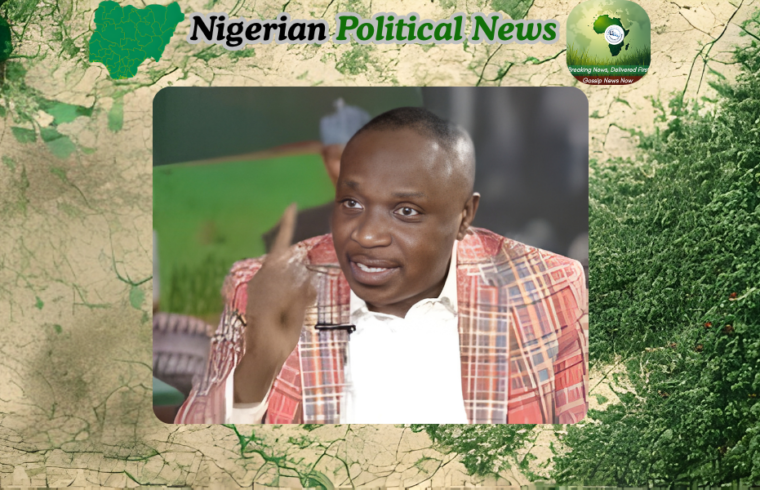
Speaking from Abuja, Phrank Shaibu, who serves as Special Assistant on Public Communication to Atiku, pointed to recent findings by the World Bank as a troubling reflection of the nation’s economic health. He suggested that the worsening hardship across the country is not coincidental but instead tied directly to leadership decisions taken since the current administration assumed office.
In his assessment, Shaibu argued that the policies introduced were neither carefully designed nor strategically executed. He maintained that what Nigerians are experiencing today stems from decisions that failed to account for the real-life consequences on citizens, particularly those already vulnerable.
One of the major concerns raised centered around the sudden removal of fuel subsidies, a move that, according to him, triggered widespread economic strain. He also referenced the rapid adjustment of the naira’s value, describing the process as disorderly and lacking protective measures for ordinary Nigerians. Together, these actions, he implied, created a ripple effect that continues to impact daily life across the country.
Gossip News Now reports that the criticism goes beyond policy announcements, focusing instead on their human impact. The argument presented suggests that while economic indicators may appear structured on paper, the lived experiences of Nigerians tell a far more difficult story.
Across the nation, the pressure is evident. Rising food costs have made basic living increasingly expensive, while inflation has steadily eroded purchasing power. Small-scale enterprises, often considered the backbone of local economies, are struggling to survive under these conditions. As a result, more citizens are reportedly slipping into deeper financial hardship.
Shaibu characterized the situation as an aggressive economic adjustment placed on a population ill-prepared to absorb such shocks. In his view, the gap between government messaging and everyday reality continues to widen, raising questions about both policy direction and leadership sensitivity.
He further suggested that any administration that claims progress while a significant portion of its population faces hardship risks losing credibility. According to him, governance must reflect not just economic ambition but also awareness of citizens’ realities.
Turning to alternatives, the statement highlighted what it described as a more measured and humane economic pathway under Atiku Abubakar’s vision. Rather than abrupt changes, the approach emphasizes gradual reform, ensuring that transitions are carefully managed to minimize disruption.
Within this framework, social protection is positioned as a central priority—structured to be effective, transparent, and directly beneficial to those who need it most. The broader economic plan also focuses on rebuilding productivity by strengthening key sectors such as agriculture, small businesses, and industrial development.
Additionally, the proposal underscores the importance of aligning fiscal and monetary policies to stabilize the economy. By creating synergy between these systems, the aim would be to foster sustainable growth rather than short-term adjustments.
Commentary & Analysis
The debate highlights a deeper divide in how economic reform is approached in Nigeria. On one side lies a strategy that prioritizes rapid structural changes, often justified as necessary for long-term stability. On the other is a call for caution—an argument that reform must balance ambition with empathy.
What remains clear is that economic policy is not just about numbers; it is about people. The success of any reform ultimately depends on how well it improves the everyday lives of citizens. As the conversation continues, the challenge for policymakers will be finding a path that delivers both economic progress and social stability.
© 2025 Gossip News Now, a division of CHIEJOS HARBIAN DIGITAL MEDIA LTD. Contact us via admin@gossipnewsnow.online