
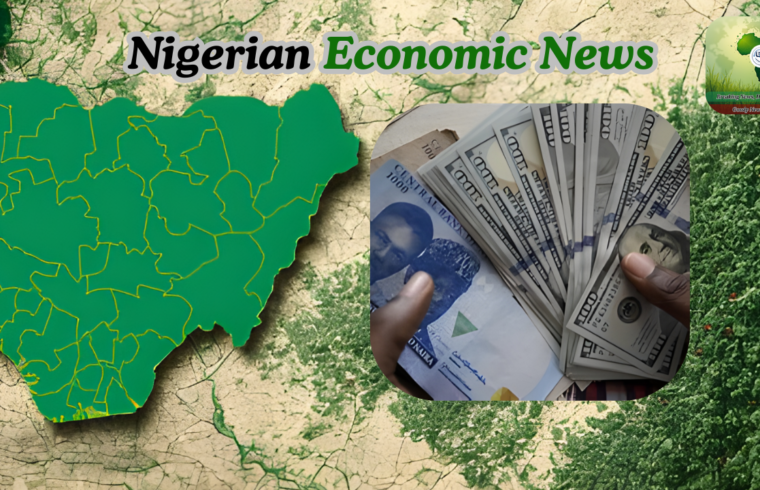
The relationship between the Nigerian currency and the United States dollar remains a key issue for traders, importers, and individuals who rely on foreign exchange for business and personal transactions.
Across Nigeria, both the informal market and the official banking system offer different price levels for exchanging the dollar against the naira, reflecting variations in demand, supply, and regulatory structures.
Current Situation in the Parallel Market
The informal currency exchange segment—commonly referred to as the black market—continues to play a significant role in everyday foreign exchange dealings.
Reports gathered from Bureau De Change operators in Lagos indicate that the dollar is currently exchanged within a narrow range depending on whether traders are buying or selling the currency.
Based on recent market observations, dealers have been trading the U.S. dollar at approximately the following levels:
- Buying price: around ₦1,467 per dollar
- Selling price: close to ₦1,475 per dollar
These values represent typical transactions occurring within the informal market.
What the Rates Represent
The buying rate reflects the amount traders pay to obtain one dollar from sellers, while the selling rate indicates the price customers must pay when purchasing the foreign currency.
Because the parallel market operates without central regulation, prices can shift frequently depending on demand, availability of dollars, and the location of the transaction.
Official Foreign Exchange Window
Alongside the informal market, the Central Bank of Nigeria oversees the official foreign exchange system used by licensed financial institutions.
Under this regulated structure, authorized commercial banks and approved dealers conduct foreign currency transactions within a defined rate band.
According to official data, the dollar has recently traded within the following range in the formal market:
- Highest recorded rate: about ₦1,455 per dollar
- Lowest recorded rate: approximately ₦1,435 per dollar
These figures represent transactions processed through regulated financial channels.
Central Bank’s Position on Informal Trading
The Central Bank of Nigeria has repeatedly stated that it does not officially recognize the parallel market as part of the country’s regulated foreign exchange system.
Authorities therefore encourage individuals and businesses seeking dollars to conduct transactions through licensed banks and approved financial institutions.
This policy is intended to strengthen transparency and maintain stability in the country’s forex market.
Why the Two Markets Differ
A noticeable gap often exists between the official rate and the price quoted in the informal market.
This difference typically arises from variations in supply and demand, particularly when access to foreign currency through banks becomes limited.
As a result, many individuals and businesses turn to alternative channels to meet their forex needs.
Important Advisory for Currency Traders
Foreign exchange prices are rarely static and may fluctuate throughout the day.
Actual rates offered by dealers can vary depending on:
- Location of the transaction
- Market demand at the time
- Individual dealer margins
For this reason, the figures published in reports often serve as general market references rather than fixed prices.
Commentary and Analysis
The persistent attention given to dollar–naira exchange rates reflects the crucial role foreign currency plays in Nigeria’s economic landscape.
Importers, international students, travellers, and manufacturers all depend heavily on access to dollars, making exchange rate stability an important economic factor.
The continued gap between the official and parallel market rates also highlights ongoing challenges in Nigeria’s foreign exchange supply system.
Economic analysts frequently view this disparity as a sign of underlying pressure in the currency market, suggesting that long-term stability will depend on improving forex liquidity and strengthening confidence in official exchange channels.
© 2025 Gossip News Now, a division of CHIEJOS HARBIAN DIGITAL MEDIA LTD. Contact us via admin@gossipnewsnow.online