
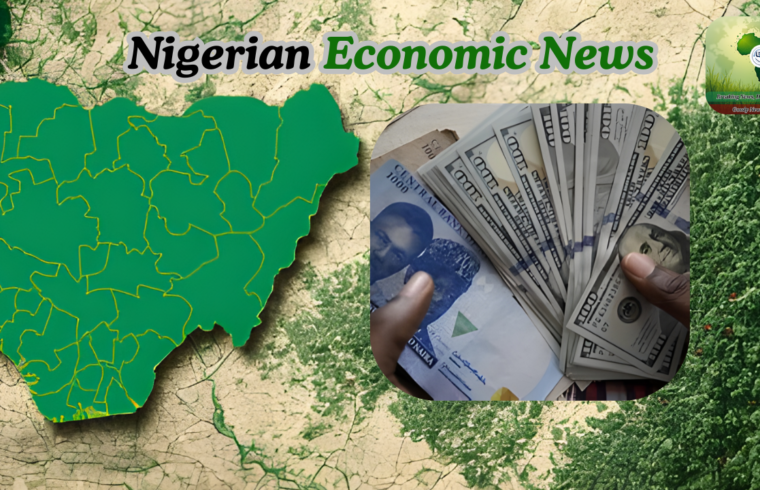
The value of the Nigerian currency against the U.S. dollar continues to attract close attention from traders, businesses, and individuals monitoring developments in the foreign exchange market. Below is a summary of the latest exchange rate movements in both the informal market and the official banking system.
Parallel Market Rates in Lagos
In Nigeria’s informal foreign exchange market—often referred to as the black market—currency dealers in Lagos are currently trading the U.S. dollar within a narrow band.
Based on information gathered from Bureau De Change operators in the city, the dollar is being exchanged at the following approximate rates:
- Buying price: around ₦1,480 per dollar
- Selling price: about ₦1,489 per dollar
These figures represent the average rates quoted by traders in the parallel market, although actual prices may differ slightly depending on negotiation and transaction size.
Position of the Central Bank
The Central Bank of Nigeria continues to maintain that it does not recognise or regulate transactions conducted in the parallel market.
According to the apex bank, individuals and businesses seeking foreign exchange are encouraged to carry out such transactions through authorised financial institutions rather than through informal currency traders.
The policy is part of ongoing efforts by the regulator to maintain oversight of the foreign exchange system and reduce the risks associated with unofficial trading channels.
Official Exchange Rates
Data published by the Central Bank indicates that the naira is trading within a slightly lower range in the official market.
Recent figures from the banking system place the dollar exchange rate within the following band:
- Highest recorded rate: approximately ₦1,462 per dollar
- Lowest recorded rate: approximately ₦1,456 per dollar
These values represent the official market range used in transactions conducted through authorised banks and other regulated financial channels.
Key Note for Currency Traders
Foreign exchange rates are not static and can fluctuate throughout the day depending on demand, supply, and market sentiment.
For this reason, the price offered by a dealer or financial institution may vary slightly from the averages reported above.
Factors that often influence the final exchange rate include:
- the location of the transaction
- the volume of foreign currency being exchanged
- prevailing demand in the market
Commentary and Analysis
The difference between the official exchange rate and the black market rate reflects the continuing dynamics within Nigeria’s foreign exchange ecosystem.
In many cases, individuals and small businesses turn to the parallel market because of easier access to foreign currency, particularly when official channels are limited or slow.
However, the Central Bank’s stance highlights ongoing attempts to strengthen the regulated foreign exchange framework and encourage transactions through authorised banking systems.
As economic policies evolve and foreign exchange supply improves, analysts say the gap between official and informal market rates could narrow over time.
For now, both markets remain key reference points for Nigerians monitoring the daily value of the naira against the dollar.
© 2025 Gossip News Now, a division of CHIEJOS HARBIAN DIGITAL MEDIA LTD. Contact us via admin@gossipnewsnow.online