
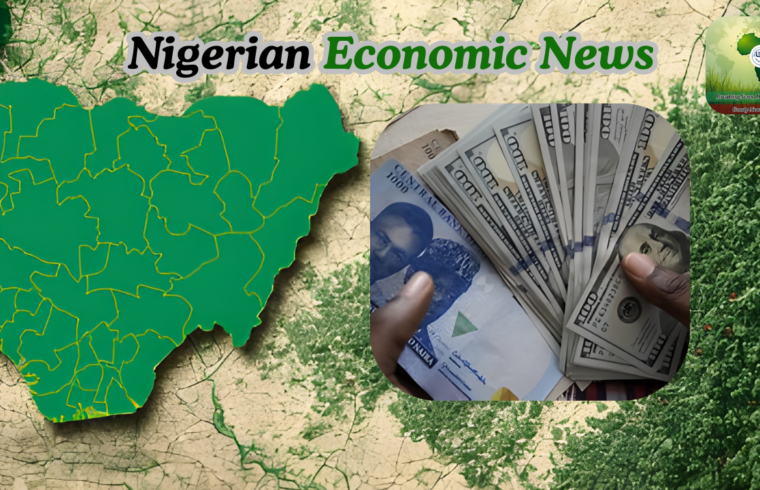
The Nigerian currency market continues to show a notable divergence between official and unofficial exchange rates. For those looking to swap dollars for Naira outside traditional banking channels, the black market remains active, albeit unrecognized by authorities.
Black Market Dollar to Naira Rates
As of Monday, February 16, 2026, sources at various Bureau De Change (BDC) outlets in Lagos report that parallel market traders offer the following rates:
- Buying Rate: ₦1,380 per USD
- Selling Rate: ₦1,400 per USD
This means individuals selling dollars receive ₦1,380 for each dollar, while those buying will pay ₦1,400. It’s important to note that these rates fluctuate daily, depending on demand and supply dynamics in the informal Forex sector.
Official CBN Exchange Rates
The Central Bank of Nigeria (CBN) maintains a more conservative range for the USD to NGN conversion:
- Highest CBN Rate: ₦1,353
- Lowest CBN Rate: ₦1,342
The gap between the official and black market rates underscores the ongoing tension between regulated financial institutions and the parallel market, which many Nigerians still rely on for quick currency transactions.
Observations and Market Trends
Despite directives from the CBN that all Forex transactions should be conducted through banks, the parallel market remains operational. This is largely due to quicker transactions and more flexible pricing compared to the formal banking sector. Traders in Lagos report that daily rates can shift significantly within a few hours, influenced by factors such as corporate dollar demand, import needs, and local investor activity.
Analytical Commentary
The widening disparity between the black market and official CBN rates highlights persistent liquidity challenges in Nigeria’s foreign exchange market. While the official rates provide stability for formal trade and government reporting, the black market offers a more market-driven reflection of dollar demand in real-time. Observers note that until reforms improve access to dollars at competitive rates in the banking sector, the parallel market will continue to thrive despite legal restrictions.
Additionally, potential buyers and sellers should exercise caution. While higher returns are tempting in the black market, the lack of regulatory oversight introduces risks, including fraud and inconsistent pricing. It’s also worth noting that sudden policy shifts by the CBN can quickly narrow or widen the gap between official and parallel market rates.
Summary Table – February 16, 2026
| Market Type | Buying Rate (₦) | Selling Rate (₦) |
|---|---|---|
| Black Market (Aboki) | 1,380 | 1,400 |
| Central Bank of Nigeria | 1,342–1,353 | 1,342–1,353 |
This table provides a snapshot of how much one can expect to pay or receive when exchanging dollars for Naira, depending on the market channel chosen.
Key Takeaways:
- Parallel market rates are higher than the official CBN rates.
- Daily fluctuations are common in the black market.
- Legal regulations favor transactions through banks, but informal channels remain heavily used.
- Buyers and sellers should remain cautious and informed about risks.
© 2025 Gossip News Now, a division of CHIEJOS HARBIAN DIGITAL MEDIA LTD. Contact us via admin@gossipnewsnow.online