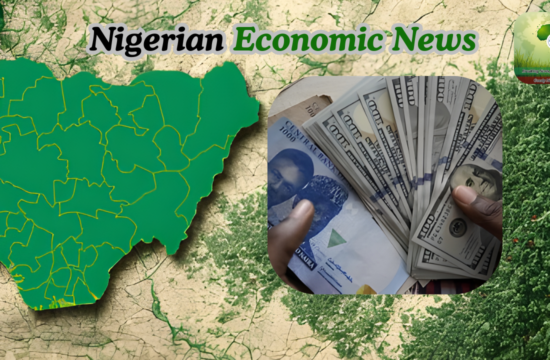

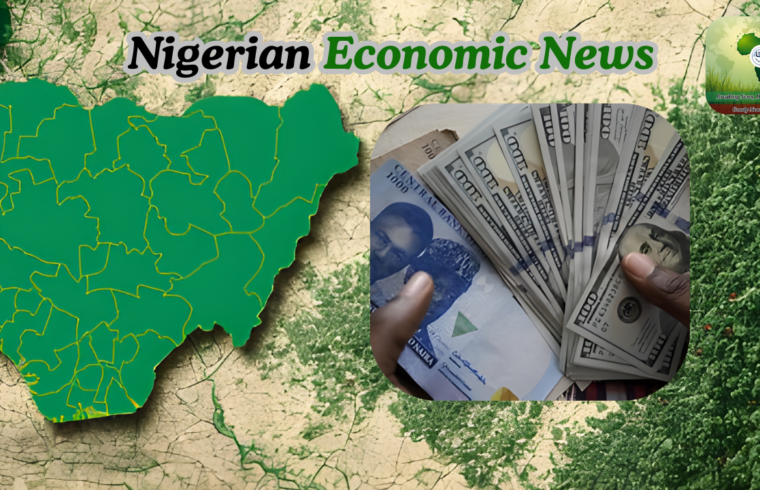
Foreign exchange demand continues to shape Nigeria’s informal currency market, with many individuals turning to the parallel market—popularly called Aboki FX—to obtain United States dollars amid fluctuating supply within official banking channels. The latest trading activity offers insight into how the naira performed against the dollar around mid-January 2026.
Reports gathered from Bureau De Change operators in Lagos indicate that currency dealers maintained a noticeable spread between buying and selling prices during the trading session. Market participants exchanged dollars at approximately ₦1,500 when selling to customers, while purchase rates hovered around ₦1,485 per dollar, reflecting persistent pressure on the local currency.
Official Position of the Central Bank
Despite the popularity of the parallel market, Nigeria’s monetary authorities continue to distance themselves from its operations. The Central Bank of Nigeria (CBN) consistently maintains that foreign exchange transactions should be conducted through authorised financial institutions. According to the regulator, licensed banks remain the only officially recognised channels for accessing foreign currency.
This distinction highlights the long-standing gap between official policy and real market behaviour, as many Nigerians still rely on informal markets due to accessibility challenges and demand–supply imbalances.
Comparison Between Market Segments
A review of available exchange indicators shows a clear difference between official and unofficial pricing structures. Rather than presenting the figures in tabular format, the rates can be understood through the following breakdown:
Parallel Market (Street Trading Levels)
- Dollar demand pushed the selling price close to ₦1,500 per $1
- Dealers typically purchased dollars from holders around ₦1,485
Central Bank–Guided Official Window
- Highest recorded exchange level remained near ₦1,420
- Lower trading boundary settled around ₦1,416
The disparity between both markets continues to reflect foreign exchange scarcity and speculative trading patterns common in emerging economies.
Why Exchange Rates Differ Across Locations
Currency dealers explain that rates are rarely uniform nationwide. Several factors contribute to price variation, including availability of cash dollars, transaction volume, and local demand intensity. As a result, travellers or business owners may encounter slightly different prices depending on city, negotiation strength, or timing of transactions.
Commentary and Market Analysis
Economists observe that Nigeria’s dual exchange rate system remains a defining feature of the country’s currency environment. While the official market aims to stabilise the naira through regulatory controls, the parallel market often reacts faster to real economic pressures such as import demand, remittances, and investor sentiment.
The continued gap between official and black-market rates suggests that underlying foreign exchange demand remains strong. Analysts argue that narrowing this difference would likely require increased dollar liquidity, improved export earnings, and sustained investor confidence.
For everyday Nigerians, the parallel market still functions as an informal benchmark for pricing imported goods, tuition payments abroad, and travel expenses—even though regulators discourage reliance on it.
As market conditions evolve, exchange rates are expected to remain fluid, meaning traders and consumers should anticipate periodic adjustments influenced by economic policies and global currency trends.
© 2025 Gossip News Now , a division of CHIEJOS HARBIAN DIGITAL MEDIA LTD. Contact us via admin@gossipnewsnow.online