

Thursday’s major headlines across Nigeria reflect a mix of politics, education, security, sports, entertainment, and economic debate, showing just how active the national conversation remains. From fresh government borrowing plans and university payment releases to presidential pardon reversals and football controversies, the day’s developments cut across several sectors with implications for millions of Nigerians.
According to Gossip News Now, one of the biggest updates came from the Federal Government’s decision to release about ₦2.3 billion to offset outstanding salary and promotion arrears owed to lecturers in federal universities. Education Minister Tunji Alausa said the move forms part of broader efforts to resolve long-running welfare issues affecting tertiary institutions. He also indicated that earned academic allowances are expected to be absorbed into regular salary structures from 2026, while work continues on pension remittances, non-statutory deductions, and other interventions for universities.
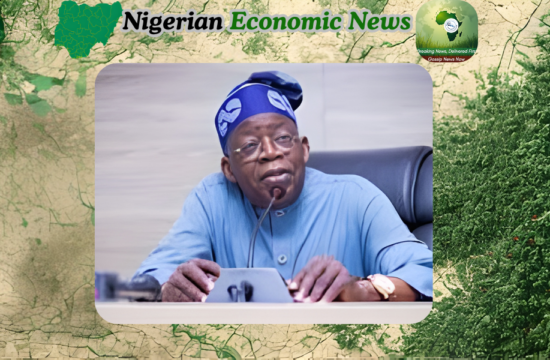
The National Assembly also recorded major activity, especially on fiscal and security matters. In the House of Representatives, lawmakers approved President Bola Tinubu’s request for a fresh external borrowing plan worth ₦1.84 trillion, intended to support the 2025 budget deficit. The chamber also backed refinancing plans for a Eurobond maturing in November 2025 and gave support to additional international financing options. On the Senate side, lawmakers confirmed the president’s nominees for the country’s top military offices after an extended closed-door screening session focused on defence coordination, modernisation, and public trust in the armed forces.
At the Presidency, another major decision drew attention after the government revised its earlier pardon arrangement. President Tinubu reportedly ordered the removal of Maryam Sanda and other individuals convicted of serious crimes from the pardon list. Offences now excluded include kidnapping, drug-related crimes, human trafficking, fraud, and illegal firearms trafficking. The review followed public criticism of the earlier list and signalled a tougher official approach to high-profile convictions.
Security and diplomacy also remained in focus after the Minister of Information and National Orientation, Mohammed Idris, rejected allegations from some US lawmakers that Christians in Nigeria are victims of genocide. He argued that the claims were based on misleading interpretations and insisted that Nigeria’s insecurity is more complex than a simple religious narrative. Around the same time, Timipre Sylva’s media team dismissed claims linking the former Bayelsa governor to any anti-government plot, while also confirming that his Abuja residence had been searched by suspected security personnel during his absence from the country.
In sports, football dominated discussion both at home and abroad. Former NFF president Amaju Pinnick publicly denied claims that FIFA Goal Project funds meant for Kebbi State were mismanaged, following criticism triggered by images of the incomplete Benin-Kebbi Stadium. He maintained that FIFA closely monitored every stage of the project and insisted the public had misunderstood the financial scope and circumstances surrounding the work. In England, Pep Guardiola warned that set-pieces are again becoming a major deciding factor in Premier League matches, pointing to the growing use of long throws, packed penalty boxes, and aerial pressure by clubs across the league.
The entertainment space also produced a headline moment as Tiwa Savage reflected on her early struggles with identity while growing up in London. She said there was a time she did not feel fully proud of being African, but added that the worldwide rise of Afrobeats has transformed that feeling into one of pride and celebration. She also rejected the idea that Afrobeats is losing momentum, arguing instead that the genre continues to expand globally despite limited infrastructure and investment.
Another story likely to stir public debate came from rapper Oladips, who alleged that the EFCC collected ₦10 million before he regained freedom after his detention. He claimed he was arrested during a late-night raid, held for several days, and released only after payment was made, despite insisting that no evidence was found against him. His account adds to the wider public scrutiny that often follows the conduct of anti-corruption operations.
Taken together, these headlines paint a picture of a country wrestling with reform, accountability, governance, and perception. University funding and military confirmations suggest the government is trying to show action in critical sectors, yet issues such as foreign criticism, domestic security suspicions, and pardon controversies reveal how fragile public confidence can remain. At the same time, culture and sport continue to shape national conversation, proving that public interest is not driven by politics alone.
Commentary and Analysis
One clear theme from today’s headlines is institutional credibility. Whether it is the government addressing lecturers’ arrears, revising controversial pardon decisions, or defending its security image abroad, many of the day’s stories revolve around public trust and how official decisions are interpreted.
Another important pattern is the growing pressure on leadership at every level. From Tinubu’s fiscal and military decisions to Pinnick’s defence over football infrastructure and Oladips’ allegations against the EFCC, Nigerians are once again being presented with questions about transparency, oversight, and responsibility in public life.
There is also a strong contrast between hard governance issues and softer cultural influence. While politics, loans, and security dominate one half of the news cycle, figures like Tiwa Savage and Pep Guardiola show how entertainment and sport still command major attention. That balance reflects the reality of modern Nigerian media, where public interest shifts quickly between state policy, celebrity influence, and football debate.
Overall, the day’s developments show a country constantly negotiating between reform promises and public skepticism. The stories may be different in subject, but many of them are tied together by one central question: can the institutions and individuals involved convince Nigerians that they are acting in the public interest?
© 2025 Gossip News Now, a division of CHIEJOS HARBIAN DIGITAL MEDIA LTD. Contact us via admin@gossipnewsnow.online