
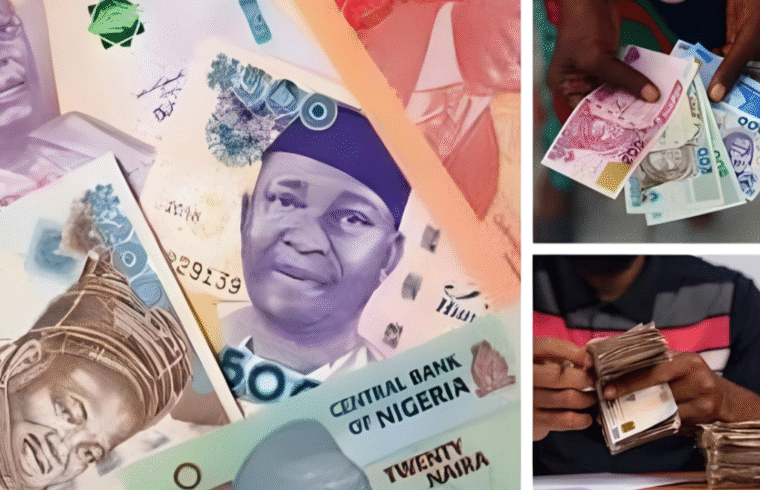
Nigeria’s foreign exchange market continues to attract attention as businesses and individuals track the movement of the U.S. dollar against the naira.
According to Gossip News Now, currency traders across major cities—particularly in Lagos—have reported steady activity in the parallel market, commonly referred to as the black market or Aboki FX.
Latest Parallel Market Rates
Information gathered from Bureau De Change (BDC) operators indicates that the dollar exchanged within the following range during trading on Saturday, December 6, 2025.
Dealers reported that the approximate rates were:
- ₦1,495 per dollar when selling to buyers
- ₦1,480 per dollar when purchasing dollars from customers
These figures reflect the general trading range within the Lagos parallel market, although slight variations can occur depending on negotiation and location.
Currency traders also note that the availability of foreign exchange often influences the final rate offered in street transactions.
Official Exchange Window
While many Nigerians monitor black market rates, the Central Bank of Nigeria (CBN) maintains a separate official exchange system.
According to available data from the official market, the dollar traded within a narrower range compared with the parallel market.
The official figures recorded include:
- Highest rate: approximately ₦1,456 per dollar
- Lowest rate: approximately ₦1,448 per dollar
Gossip News Now reports that this difference between official and parallel market prices continues to highlight the pressure on foreign currency supply in the Nigerian economy.
Key Exchange Figures Overview
A quick breakdown of the day’s currency values shows the following comparisons:
Parallel Market (Black Market)
- Selling value: about ₦1,495 per dollar
- Buying value: about ₦1,480 per dollar
Official CBN Market
- Upper trading level: around ₦1,456 per dollar
- Lower trading level: near ₦1,448 per dollar
Market participants emphasize that exchange rates may fluctuate depending on demand, transaction volume, and the specific dealer involved.
CBN Position on the Black Market
The Central Bank of Nigeria has repeatedly clarified that it does not recognize the parallel market as part of the official foreign exchange system.
Instead, the apex bank advises individuals and businesses to obtain foreign currency through authorized financial institutions and regulated banking channels.
Authorities believe that using official channels improves transparency and helps stabilize the country’s monetary system.
Commentary and Analysis
Nigeria’s exchange rate environment continues to reflect the complex balance between demand for foreign currency and the supply available through official channels.
The persistent gap between the parallel market and official rates often signals pressure on the naira and strong demand for dollars among importers, travelers, and international businesses.
Economists suggest that strengthening foreign reserves, boosting exports, and attracting investment could help reduce the disparity between the two markets over time.
However, fluctuations remain common, and exchange values can change quickly depending on economic conditions and global financial trends.
For individuals participating in currency exchange, monitoring both official and parallel market trends remains essential for understanding the broader dynamics of Nigeria’s foreign exchange landscape.
© 2025 Gossip News Now, a division of CHIEJOS HARBIAN DIGITAL MEDIA LTD. Contact us via admin@gossipnewsnow.online