
Efforts to calm the long-running leadership dispute within the Peoples Democratic Party (PDP) took a new turn after representatives of the party’s rival factions met with officials of the Independent National Electoral Commission (INEC) in Abuja. The engagement, held at the commission’s national headquarters, was aimed at opening dialogue on the issues fueling the party’s internal divisions.
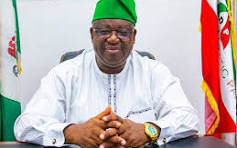
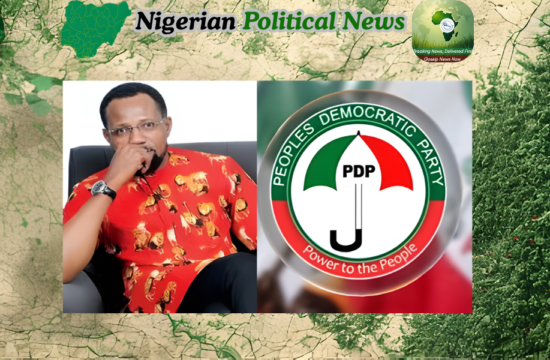
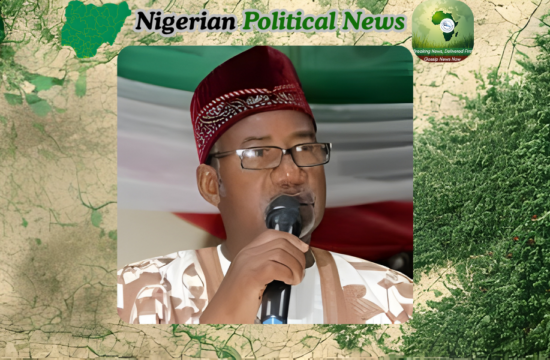
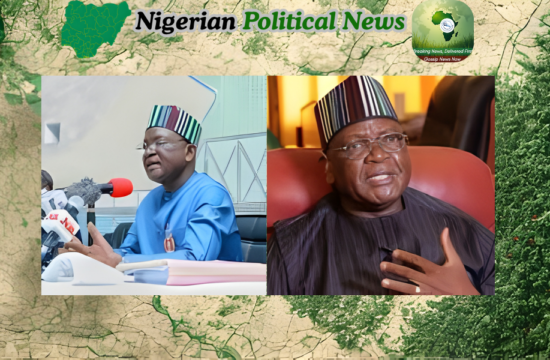
The meeting brought together political figures from opposing camps that have been at the center of the PDP’s leadership conflict. One group is associated with Senator Samuel Anyanwu, while the other is aligned with Kabiru Turaki, who emerged from a convention organized by another faction of the party.
Although the gathering did not immediately produce a final resolution, both sides later addressed journalists and shared their impressions of the discussions with the electoral body.
The session was reportedly convened under the direction of Joash Amupitan, who currently chairs INEC. According to information from the commission, the dialogue was organized as part of efforts to examine possible pathways toward restoring unity within the opposition party.
Following the talks, Senator Anyanwu described the meeting as constructive and expressed appreciation for the approach taken by the electoral commission. He noted that the atmosphere of the engagement reflected a genuine interest in ensuring that the PDP remains a viable political force in Nigeria’s democratic system.
According to him, the commission allowed each faction to explain its position and concerns. This process, he said, created an opportunity to clarify the major issues driving the internal crisis within the party.
During his remarks, Anyanwu suggested that the discussions helped identify several underlying tensions responsible for the prolonged conflict.
He pointed to a combination of internal grievances, heightened emotions among party members, and clashes of personal ambition as factors that have contributed to the dispute. Despite these challenges, he maintained that the party’s internal rules and democratic structures remain capable of resolving such disagreements.
He further emphasized that the PDP has historically relied on institutional mechanisms such as party guidelines, the rule of law, and decisions from its National Executive Committee (NEC) when managing internal disputes.
Confidence in the party’s resilience was also expressed, with Anyanwu stating that the organization would ultimately overcome its current challenges and emerge more united.
Meanwhile, Kabiru Turaki provided a separate account of how his faction came to attend the meeting with the electoral commission.
He explained that his group received a formal invitation from INEC late on Thursday night. Initially, they believed the meeting was being organized in response to a request previously submitted by their faction regarding the ongoing leadership issues.
However, Turaki said it later became clear that the commission had also invited other individuals connected to the dispute, including some who had previously been expelled from the party.
Despite the initial confusion, Turaki said the meeting proceeded in an orderly manner, with INEC giving each faction the opportunity to present its arguments.
According to him, officials of the electoral body listened attentively to the perspectives shared by both sides during the discussions.
He also acknowledged that some of the issues surrounding the leadership conflict are currently being addressed in the Court of Appeal, which means INEC cannot directly determine certain aspects of the dispute.
Nonetheless, Turaki indicated that the commission assured the participants that the concerns raised during the meeting would be carefully reviewed before any further steps are taken.
Addressing questions about why the commission invited multiple factions, Turaki defended the approach adopted by INEC.
He compared the situation to traditional mediation processes where elders listen to all parties involved in a dispute before offering guidance. According to him, excluding one side from such a dialogue would undermine the goal of achieving a fair and balanced resolution.
In his view, bringing all relevant actors to the table was a necessary step toward reconciliation within the party.
Commentary and Political Analysis
The decision by INEC to host representatives of the rival PDP factions reflects the seriousness of the crisis currently affecting Nigeria’s leading opposition party. Internal disputes of this nature can weaken party structures and reduce electoral competitiveness if they remain unresolved for long periods.
By facilitating dialogue, the electoral commission appears to be encouraging peaceful engagement rather than prolonged confrontation between the competing groups.
However, the ultimate resolution may depend more on the party’s internal institutions and the outcomes of pending court cases than on mediation alone.
For the PDP, the stakes are particularly high as it prepares for future elections. A divided leadership could complicate candidate selection, weaken grassroots mobilization, and undermine the party’s ability to present a united front against its political rivals.
Whether the Abuja meeting marks the beginning of reconciliation or merely another stage in the ongoing dispute remains to be seen.
© 2025 Gossip News Now , a division of CHIEJOS HARBIAN DIGITAL MEDIA LTD. Contact us via admin@gossipnewsnow.online