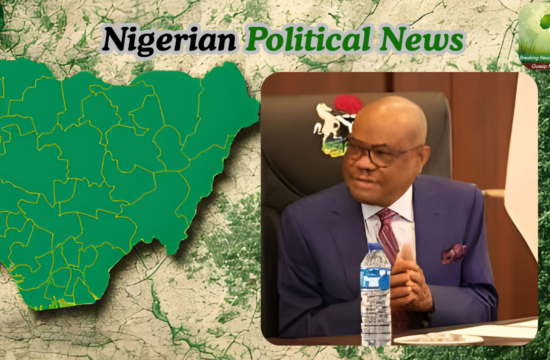


Minister of the Federal Capital Territory, Nyesom Wike, has emphasized that democracy in Nigeria must extend beyond mere electoral exercises to deliver tangible benefits to citizens. Speaking on Tuesday at the Distinguished Personality Lecture held at the Faculty of Social Sciences, University of Abuja, Wike highlighted the responsibility of leaders to translate democratic principles into practical improvements for society.
He argued that democratic governance should function as a social contract, where accountability and transparency are not occasional promises but daily obligations. For Wike, the success of democracy is measured by the quality of services and infrastructure that citizens experience in their daily lives.
“For the ordinary citizen, democracy must mean roads that work, hospitals that heal, water that runs, and security that reassures,” he stated, stressing that failures in infrastructure corrode public trust in government.
Purposeful Leadership as a Link to Development
Wike also highlighted the role of intentional political leadership in bridging the gap between democratic ideals and developmental outcomes. He described public office as a sacred trust, emphasizing that governance should prioritize collective transformation rather than personal enrichment.
“It must be a system that treats public office not as a privilege to be exploited, but as a sacred trust to be honoured; not as an avenue for personal enrichment, but as a platform for collective transformation,” he said.
According to the minister, good governance is the engine that drives the aspirations of democracy. Institutions must function efficiently and equitably, ensuring that governments remain responsive to the needs, dignity, and legitimate expectations of citizens.
Democracy in Practice
Wike stressed that the essence of democracy lies not only in conducting free and fair elections but also in delivering results that improve everyday life. By linking democratic accountability to infrastructure, public services, and citizen engagement, he called for a governance model that fosters trust, social stability, and national progress.
Commentary and Analysis:
Wike’s remarks underscore a growing discourse in Nigerian politics that equates democracy with tangible outcomes rather than ceremonial elections. His call for accountability and service-oriented leadership addresses a fundamental challenge: bridging the gap between electoral promises and the lived experiences of citizens.
Analysts note that framing public office as a sacred trust could recalibrate expectations of political leaders, encouraging a culture where infrastructure development, healthcare, water supply, and security are central measures of democratic performance. By prioritizing institutional efficiency and citizen engagement, Wike signals the need for a long-term, transformative approach to governance in Nigeria.
© 2025 Gossip News Now, a division of CHIEJOS HARBIAN DIGITAL MEDIA LTD. Contact us via admin@gossipnewsnow.online