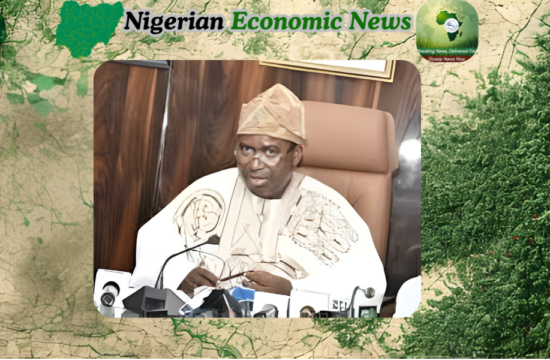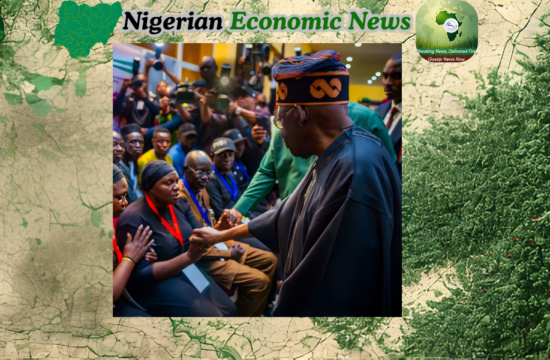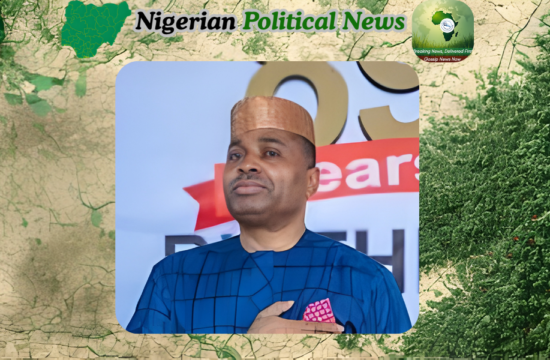


Minister of the Federal Capital Territory, Nyesom Wike, has raised questions over the sincerity of former Rivers State Governor Rotimi Amaechi’s recent involvement in protests calling for electronic transmission of election results.
Speaking at the Distinguished Personality Lecture at the University of Abuja’s Faculty of Social Sciences on Tuesday, Wike criticized what he described as a performative approach to leadership. He referenced Amaechi’s attendance at the protest alongside his son, a medical doctor, highlighting the theatrical nature of the gesture.
“He said he came with his son, who is a medical doctor, to treat anyone who might be injured. But where was the ambulance? Where was the medical equipment? You cannot treat people with empty hands,” Wike noted, questioning the practicality of the display.
Wike framed Amaechi’s actions as an attempt to sway public emotions rather than a genuine commitment to improving governance. He suggested that the sudden push for electronic election transmission by opposition leaders reflects political opportunism rather than principled advocacy.
Political Opportunism and Public Perception
The minister observed that many individuals now championing electoral reforms remained silent while holding government offices.
“When they are out of office, they suddenly become the voice of the people,” he remarked, referring to the protest organizers. Wike described the agitation as “transactional,” implying that the opposition is more concerned with strategies that favor their political comeback than with strengthening democratic institutions.
He emphasized that leadership is demonstrated through tangible actions that benefit citizens, not through public performances designed to gain attention. The minister urged students to critically assess political messaging and avoid being swayed by emotive displays.
Lessons for Citizens and Youth
Highlighting the responsibilities of young citizens, Wike stressed that the “dividends of democracy” are achieved through the creation of resilient institutions, infrastructure development, and sustained civic engagement rather than slogans or staged demonstrations. His address underlined the need for active participation in governance while remaining vigilant against manipulation by political elites.
Analytical Commentary:
Wike’s critique signals the tension between performative politics and substantive governance. By highlighting the absence of practical support, such as ambulances or medical equipment, he questioned whether opposition protests are genuine or simply symbolic acts to influence public perception.
Observers note that this incident reflects a broader trend in Nigerian politics, where advocacy is sometimes used strategically to position leaders for future elections. Wike’s focus on youth vigilance underscores the importance of critical engagement in political processes, encouraging citizens to prioritize institutional development and policy impact over spectacle.
© 2025 Gossip News Now, a division of CHIEJOS HARBIAN DIGITAL MEDIA LTD. Contact us via admin@gossipnewsnow.online