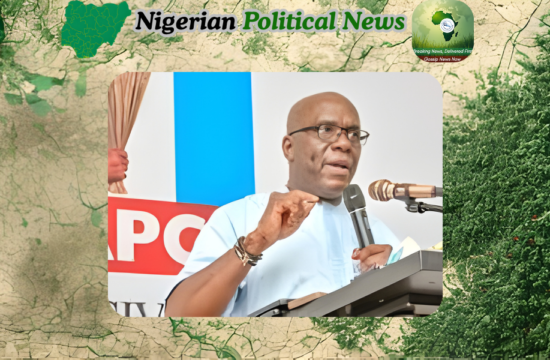


Former presidential candidate Peter Obi has criticised the Federal Government over reports that many contractors are still awaiting payment for completed projects across the country.
His remarks come after President Bola Tinubu previously announced that Nigeria had achieved — and even exceeded — its projected revenue targets for the year.
Obi expressed concern that contractors remain unpaid despite these claims of improved government income.
Concerns Over Government Obligations
In a statement shared on the social media platform 𝕏, Obi highlighted reports of contractors staging protests in Abuja and other locations while demanding payment for work already carried out.
According to him, the situation raises important questions about how public funds are being managed.
He pointed out that contractors typically undertake projects with the expectation that government institutions will fulfil their financial commitments once the work is completed.
Impact on Small and Medium Businesses
The former Anambra State governor also drew attention to the type of businesses affected by the delays.
Many contractors working on government projects are small and medium-sized enterprises (SMEs), which rely heavily on prompt payment to sustain their operations.
Obi warned that when payments are delayed or withheld, these companies may struggle to survive.
Economic Consequences Highlighted
The former presidential candidate explained that unpaid debts to contractors can trigger wider economic challenges.
He argued that the situation could produce a chain reaction that affects workers, families, and local economies.
Among the possible consequences he identified are:
- Closure of small and medium-sized businesses
- Loss of employment opportunities for workers
- Financial strain on households that depend on those jobs
- Reduced productivity in sectors tied to public projects
According to Obi, these outcomes could undermine efforts to stimulate economic growth.
Questions About Revenue Performance
Obi also referred to the government’s earlier announcement that national revenue targets had been surpassed.
He suggested that such financial performance should normally create room for increased investment in public services and infrastructure.
In his view, sectors such as education, healthcare, and social welfare programmes should benefit when government revenues improve.
However, he argued that the continued complaints from contractors raise doubts about how those funds are being utilised.
Call for Fiscal Responsibility
The former Labour Party candidate emphasised that settling outstanding obligations to contractors is essential for maintaining trust in government.
He stressed that honouring contractual commitments is not merely a financial responsibility but also a measure of governance and credibility.
According to Obi, governments must demonstrate discipline in managing public funds if they hope to strengthen economic confidence.
Key Issues Raised by Obi
In discussing the matter, Obi highlighted several key concerns related to government financial management:
- Reports of contractors protesting over unpaid project costs
- The vulnerability of SMEs dependent on government contracts
- The potential economic ripple effects of delayed payments
- Questions about the consistency between revenue claims and financial obligations
- The importance of transparency in public spending
Commentary and Analysis
The debate raised by Peter Obi reflects broader concerns about fiscal management and public accountability in Nigeria.
Government contracts play a critical role in supporting infrastructure development while also providing business opportunities for local companies.
When contractors experience delays in payment, it can disrupt not only project timelines but also the financial stability of the businesses involved.
At the same time, governments often face competing budgetary demands, which can affect how quickly obligations are settled.
The issue therefore highlights the importance of transparent budgeting, effective revenue management, and timely disbursement of funds.
As discussions continue, the question of how public revenue is allocated — and whether commitments to contractors are honoured promptly — will remain an important topic in Nigeria’s economic and political discourse.
© 2025 Gossip News Now , a division of CHIEJOS HARBIAN DIGITAL MEDIA LTD. Contact us via admin@gossipnewsnow.online