
The political rivalry between Nigeria’s major parties has intensified as the <All Progressives Congress (APC)> in Lagos launched a scathing attack on the <Peoples Democratic Party (PDP)>, following a fresh round of defections that continue to shake the opposition.
In a strongly worded reaction, the APC dismissed the PDP’s response to the defections, portraying the situation as a clear sign of deeper troubles within the party.
Lagos APC Reacts to PDP’s Position
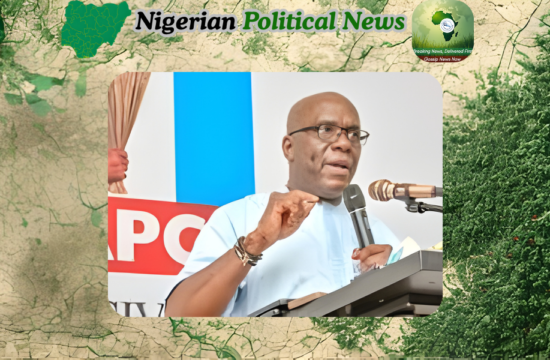
Speaking on behalf of the party, Lagos APC spokesperson criticized the PDP for downplaying the impact of members leaving its ranks. He suggested that such reactions reveal a disconnect between the party’s leadership and the reality on ground.
According to Gossip News Now reports that, Oladejo argued that the PDP’s attempt to brush off the defections only highlights what he described as denial within the opposition camp.
Defections Seen as Symptom of Bigger Problems
The APC maintained that the ongoing movement of politicians away from the PDP is not coincidental but rather the outcome of long-standing internal issues. Oladejo linked the trend to what he characterized as a lack of direction and internal cohesion.
In essence, he implied that when a political structure loses clarity and unity, fragmentation becomes inevitable — a scenario he believes is currently unfolding within the PDP.
Harsh Criticism of PDP’s Current State
Taking his remarks further, painted a bleak picture of the opposition party’s future. He suggested that many of those who remain within the PDP may simply be holding on without genuine belief in its revival.
Reframing one of his more striking remarks, he likened the situation to individuals staying behind to witness the final phase of a declining structure, rather than actively working toward rebuilding it.
APC Links Defections to Tinubu’s Leadership
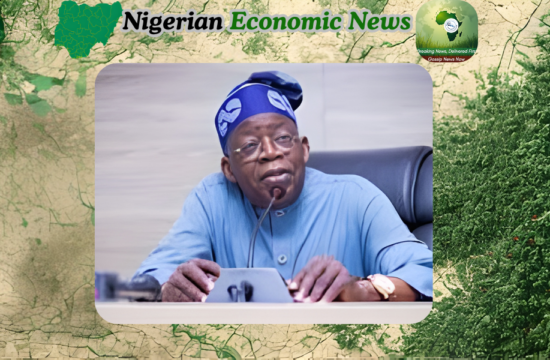
The ruling party also tied the recent wave of defections to growing confidence in the administration of , particularly his “Renewed Hope” agenda.
From the APC’s perspective, the shift in political allegiance reflects public trust in the current leadership and a willingness among politicians to align with what they see as a more stable and forward-moving platform.
PDP Urged to Reflect on Its Challenges
Beyond criticism, the APC advised the PDP to take a more introspective approach by evaluating its past and addressing internal weaknesses. Oladejo emphasized the need for honest assessment rather than public denial.
He suggested that without meaningful reforms, the PDP risks entering future elections, including 2027, with diminished influence and reduced public confidence.
Analysis: Intensifying Political Competition Ahead of 2027
The exchange underscores the growing tension as Nigeria gradually moves toward the next election cycle. For the APC, the defections serve as a narrative of strength and expansion, while for the PDP, they represent a test of resilience and unity.
Political observers note that such rhetoric is typical in a competitive environment, where both sides seek to shape public perception. However, the real impact will depend on how each party responds internally — whether through consolidation or continued fragmentation.
As the countdown to 2027 continues, developments like these will likely play a crucial role in determining the balance of power across Nigeria’s political landscape.
© 2025 Gossip News Now , a division of CHIEJOS HARBIAN DIGITAL MEDIA LTD. Contact us via admin@gossipnewsnow.online