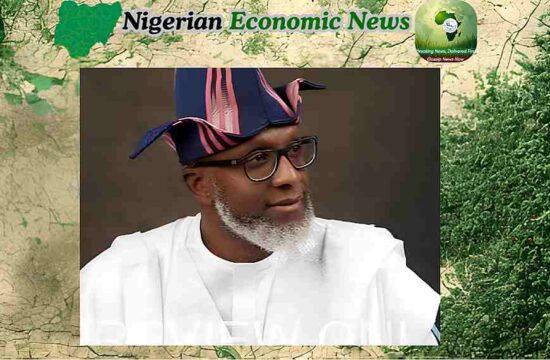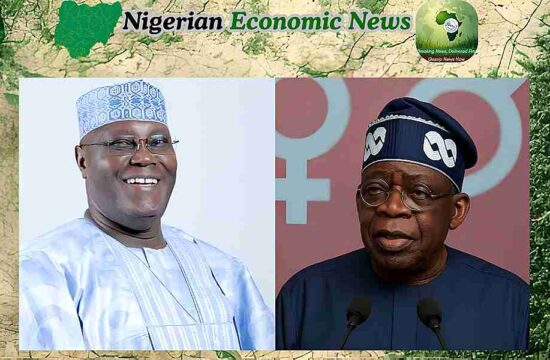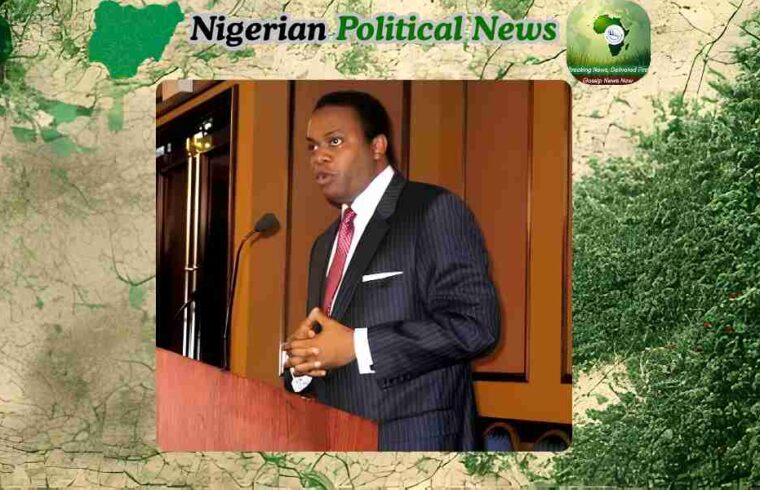
Donald Duke, the Peoples Redemption Party (PRP) presidential candidate, has urged opposition parties to unite ahead of the 2027 presidential election, warning that defeating President Bola Tinubu will require a coordinated political effort.
Duke argued that the opposition could be at a disadvantage if parties approach the election separately, particularly because the All Progressives Congress (APC) controls the federal government and Tinubu is the incumbent president.
Key Facts
- Donald Duke is calling for greater unity among opposition parties ahead of the 2027 election.
- The PRP presidential candidate believes the incumbent has significant advantages because the APC is in power.
- Duke warned that opposition parties could weaken their own challenge by remaining divided.
- He described President Bola Tinubu as a formidable politician who should not be underestimated.
- Duke made the comments during an interview with Symfoni TV.
Key Players
Duke, a former governor of Cross River State, is the presidential candidate of the Peoples Redemption Party.
President Bola Tinubu is the incumbent president and is expected to be at the centre of the 2027 presidential contest as the APC’s candidate.
The opposition parties, meanwhile, are expected to determine how best to position themselves against the governing party as preparations for the election continue.
The Opposition’s Electoral Challenge
Duke’s argument is that opposition parties cannot afford to confront the incumbent individually if they want to mount a serious challenge in 2027.
According to him, the fact that the APC is currently in power gives Tinubu and the governing party advantages that opposition candidates must recognise when planning for the election.
He said the opposition needed to understand the realities surrounding an incumbent president rather than assuming that all candidates would compete on an equal footing.
“We can’t compare ourselves to China; even if the APC did nothing, they are the party in power. If there is a problem on that day, the IG of Police will not go to any of the candidates, but to the president, so everything is in favour of the incumbent; respect that.”
Duke’s position is that opposition parties would have a stronger chance of challenging the incumbent if they were able to coordinate their efforts and present a more united political front.
Duke’s Warning To Opposition Parties
The former Cross River governor said the opposition’s failure to work together could result in its own political strength being divided.
He argued that the parties need to put aside their differences and individual interests if they are serious about challenging Tinubu in the next presidential election.
“The only way you can seriously tackle the incumbent is to come together and have a voice; otherwise we will be factionalised.”
Duke further suggested that the opposition could be contributing to its own difficulties through internal divisions.
“So when you talk of rigging, I think we are rigging it against ourselves, and because of our ego, we need to come together.”
Tinubu Is ‘Not An Average Politician’
Duke also warned opposition politicians against underestimating Tinubu’s political strength.
He described the president as a particularly formidable opponent and used an analogy to emphasise the difficulty of confronting him without adequate political preparation.
“Bola Tinubu is not an average politician. You don’t go to fight a lion who also has horns.”
Duke continued with the analogy, saying that confronting such an opponent with inadequate political strength would leave the opposition vulnerable.
“Can you imagine a lion with horns? It is already a dangerous animal. Then you now give it horns, and you say go and fight it with a knife and fork. You will be the dinner.”
Background
Duke’s comments centre on the strategic challenge facing opposition parties ahead of the 2027 presidential election.
His argument is based on the view that incumbency gives the governing party an advantage and that opposition parties risk weakening their collective challenge if they remain divided.
Rather than treating the election as a contest in which individual opposition candidates can operate independently, Duke is advocating greater coordination among the parties.
His appeal also reflects the broader question of whether opposition parties can reconcile their individual political interests in order to build a more effective challenge to the incumbent.
Strategic Assessment
Duke’s position places opposition unity at the centre of his strategy for challenging Tinubu.
His argument has two connected parts. First, he believes the governing APC’s control of the federal government gives the incumbent an advantage that opposition parties must take seriously. Second, he believes fragmentation among opposition parties could further strengthen that advantage.
Under this reasoning, coming together would allow opposition parties to establish a stronger collective voice rather than allowing their political influence to remain divided among competing parties and candidates.
His warning about Tinubu being “not an average politician” reinforces that assessment. Duke is presenting the president as an opponent who, in his view, requires a coordinated political response rather than separate challenges from fragmented opposition groups.
However, the comments represent Duke’s political assessment of the 2027 contest and do not by themselves establish how opposition parties will ultimately organise or what effect unity would have on the election.
Political Implications
If opposition parties adopt the strategy Duke is advocating, their preparations for 2027 could increasingly involve discussions about how to coordinate their political strength and reduce divisions.
The central challenge would be balancing individual party interests with the broader objective of mounting a strong challenge to the incumbent.
Duke’s comments also place the question of opposition unity alongside the broader issue of incumbency. His argument is that opposition parties must account for the advantages available to a governing party rather than assuming that separate campaigns will be sufficient.
Whether other opposition parties share that assessment or are prepared to work together remains a matter for the political discussions ahead of the election.
What’s Next?
With the 2027 presidential election approaching, opposition parties will continue to determine how best to position themselves against the governing APC.
For Duke, the immediate priority is clear: opposition parties need to overcome their divisions and develop a united approach if they are to seriously challenge Tinubu.
His warning that the president is “not an average politician” underlines the level of political competition he expects in 2027.
The extent to which opposition parties respond to calls for unity, and whether they can reconcile their separate interests, will remain an important part of the political calculations ahead of the election.