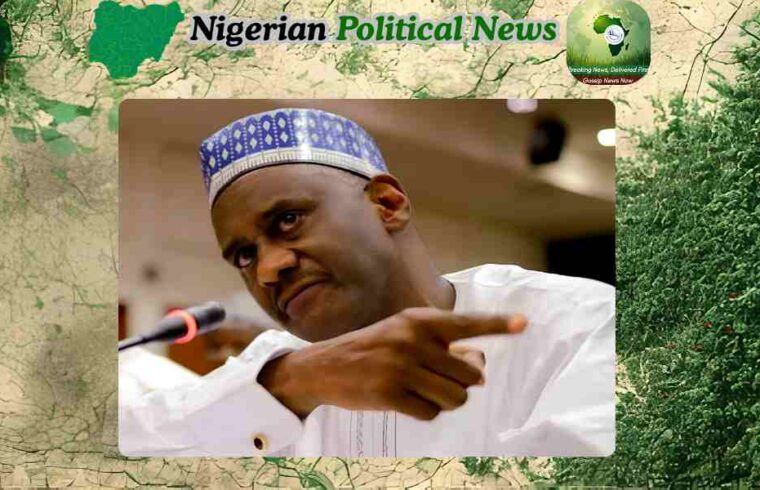
A former chairman of the National Health Insurance Scheme (NHIS), Yusuf Usman, has criticised the deployment of 30,000 security personnel to Osun State during its gubernatorial election, arguing that the move was unnecessary and potentially intimidating to voters.
Speaking during an interview on DCL on Wednesday, Usman said the experience in Osun should serve as a lesson for voters in northern Nigeria ahead of future elections.
The Osun Election Controversy
Usman questioned why such a large number of security personnel would be deployed for an election in Osun while insecurity continues to affect parts of northern Nigeria.
He argued that the presence of the security personnel did not prevent Osun voters from exercising their franchise.
“They sent over 30,000 security agents to Osun State to intimidate people. 30,000. If you sent 30,000 to Zamfara, all the insecurity in Zamfara will be gone,” Usman said.
He maintained that the people of Osun were not intimidated by the security presence and still turned out to vote.
For Usman, the comparison raises a broader question about how security resources are deployed during elections and whether similar resources could be directed towards areas facing persistent insecurity.
His Warning About Vote Buying
Usman also turned his criticism to the issue of vote buying, accusing politicians of spending billions of public money to influence voters during elections.
He acknowledged that voters receive money during campaigns but argued that accepting short-term benefits could have consequences that extend far beyond election day.
“Number two, they spend billions of our money, people’s money, to buy votes. Yes, people receive the money.”
His argument was that voters should consider what they receive during an election against the quality of governance they may experience after casting their ballots.
“₦500 And Noodles” For Four Years
Usman directed his strongest criticism at what he described as the treatment of northern voters during elections.
He compared the money and food items he said are offered to voters in the North with the larger sums he referenced in Osun State.
“In Osun they gave them ₦30,000, ₦40,000, ₦50,000, here in the north they give you ₦500 and noodles to grab your lives for the next four years,” he said.
The point, as presented by Usman, was that voters should not allow temporary electoral inducements to determine who governs them for an entire four-year period.
He urged northern voters to recognise the influence they possess through their ballots.
The Power Of The Northern Vote
Usman said voters should understand that they have the ability to determine who occupies political office.
“We have a lot to learn in the north to tell you that we have the power. We vote this government in. We have the power to choose whoever we want to choose.”
His message was therefore not simply about rejecting money or food offered during elections, but about using the ballot as a means of demanding accountability from political leaders.
Religion And Political Mobilisation
Usman also criticised the continued use of religious arguments in electoral campaigns, particularly appeals for voters to support a Muslim-Muslim ticket.
He described such appeals as a political strategy rather than an issue rooted in Islam.
“And now they are bringing in these religious leaders back to you again to tell you to vote Muslim-Muslim, which I said from the outset was nothing but a scam. Nothing to do with Islam,” he said.
He questioned whether religious identity should determine political support when voters are also dealing with economic and security challenges.
“It is just to scoop votes for him. After that, what happened in the last four years? What happened to Muslims in the north?”
The Larger Question For Voters
Usman’s comments ultimately centre on what voters receive during elections compared with what they expect from government afterward.
His criticism links three issues — security deployment, vote buying and religious mobilisation — to a broader argument that voters should pay closer attention to governance when deciding how to cast their ballots.
However, the claims about the scale of vote buying and the deployment of security personnel remain statements attributed to Usman in the supplied material.
The broader question his remarks raise is whether temporary electoral incentives can be weighed against the longer-term consequences of political choices.
If voters have the power to determine who governs them, should the real measure of an election be what candidates give voters before polling day — or what they deliver after winning?