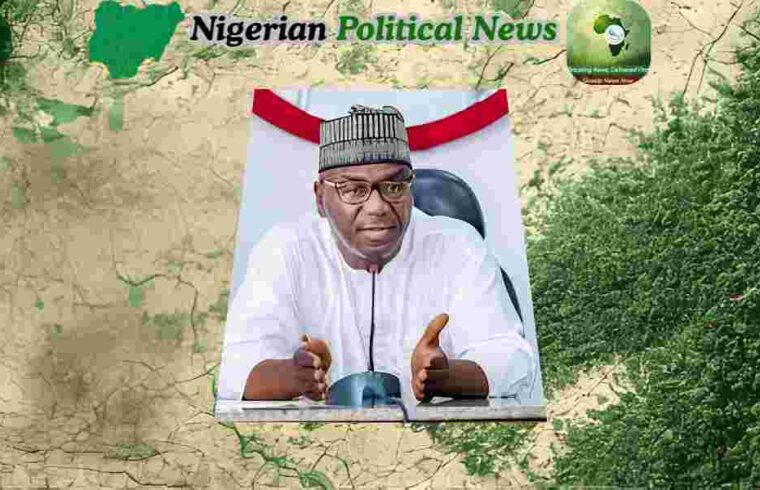
Kwara State Governor AbdulRahman AbdulRazaq has revealed that state governors were deeply worried about the possible consequences of the federal government’s decision to remove fuel subsidy in 2023, with fears that the policy could trigger widespread unrest across the country.
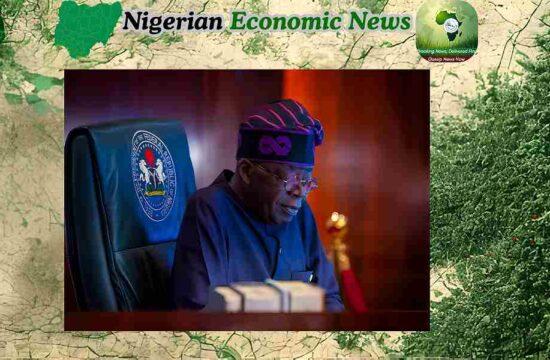
Speaking during a gathering involving President Bola Tinubu and members of the Nigeria Governors Forum (NGF) in Lagos, the NGF chairman recounted how the announcement caught many governors off guard while some of them were on an official trip to China.
Governors Expected Nationwide Resistance
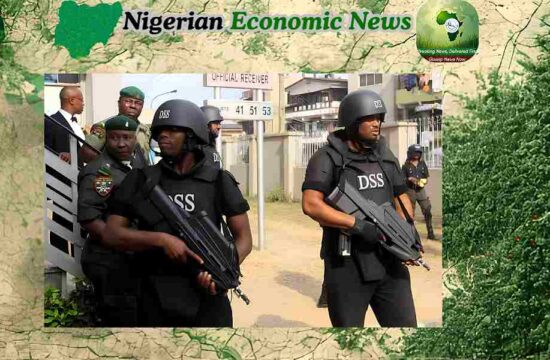
According to AbdulRazaq, the information was first communicated through security chiefs, including the National Security Adviser and the Director-General of the Department of State Services (DSS). The message they received was clear—the subsidy removal policy would proceed and there would be no reversal.
The development reportedly created anxiety among governors, who immediately began assessing possible reactions from citizens. Emergency security consultations were organized across several states, while law enforcement agencies were placed on alert in anticipation of possible demonstrations and civil unrest.
However, contrary to those fears, the expected nationwide protests never materialized, a development the governor described as surprising given the sensitivity of the policy.
Attempt to Challenge the Policy Never Happened
While in China, some governors, including Babajide Sanwo-Olu and other state leaders, reportedly held discussions on how to engage the President over concerns surrounding the implementation of the subsidy removal.
Their intention was to seek an audience with President Bola Tinubu and present reasons why they believed the policy would be difficult to execute successfully at that time.
Gossip News Now reports that the planned conversation took an unexpected turn after the governors were invited to a dinner meeting with the President.
Rather than confronting the issue directly, AbdulRazaq explained that the governors spent the evening listening to Tinubu’s broader plans and economic vision for the country. By the conclusion of the meeting, none of them managed to raise the subsidy matter they had initially intended to discuss.
He suggested that the atmosphere of the meeting and the President’s presentation left them unable to introduce the concerns they had prepared beforehand.
States Experiencing Improved Financial Capacity
Reflecting on developments since the subsidy removal, the NGF chairman argued that state governments are now in a stronger financial position than they were before the policy was implemented.
He explained that many states previously struggled after receiving federal allocations, often retaining very little after paying workers’ salaries. As a result, several administrations depended heavily on loans and bond issuances to finance critical infrastructure projects.
According to AbdulRahman AbdulRazaq, that situation has improved considerably, with some states reducing their debt exposure and gaining more flexibility to fund development projects without excessive borrowing.
He pointed to examples of states that have significantly lowered their debt obligations, describing the trend as evidence of improved fiscal health across the federation.
Call for Higher Minimum Wage
Beyond discussing state finances, the governor also advocated improved earnings for workers. He noted that recent wage adjustments have already benefited many employees and encouraged further discussions aimed at increasing the national minimum wage threshold.
In his view, stronger wages would help workers cope with economic realities while ensuring that the gains from ongoing fiscal reforms are felt more directly by ordinary Nigerians.
Political and Economic Analysis
The comments from AbdulRahman AbdulRazaq offer a rare glimpse into the uncertainty that surrounded one of the most significant economic decisions of the Tinubu administration. While governors initially feared instability and resistance, subsequent financial improvements at the state level have strengthened arguments from supporters of the subsidy removal policy.
Nevertheless, the debate over whether the economic benefits have fully compensated for the increased cost of living remains ongoing. As discussions continue around wages, inflation and public welfare, the long-term impact of the subsidy removal is likely to remain a major topic in Nigeria’s political and economic landscape.
© 2025 Gossip News Now, a division of CHIEJOS HARBIAN DIGITAL MEDIA LTD. Contact us via admin@gossipnewsnow.online