
Political Snapshot
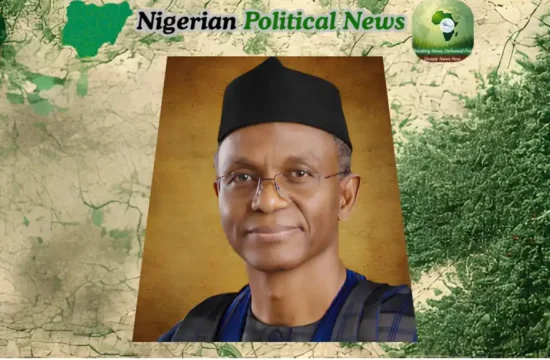
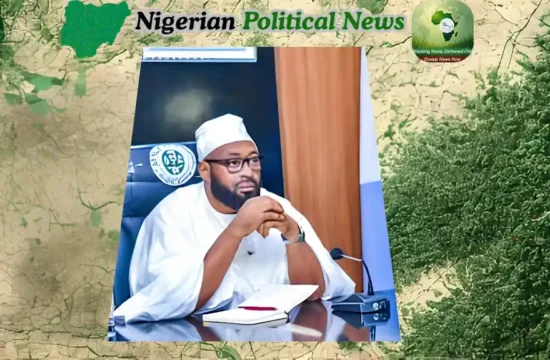
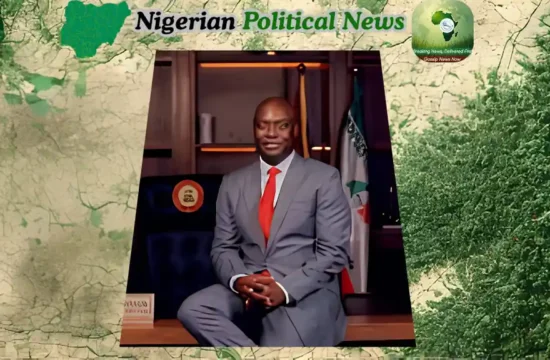
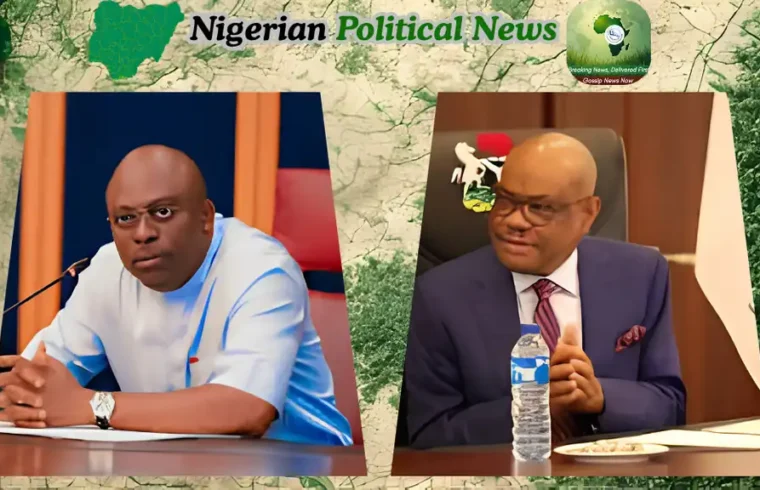
Fresh political debate has emerged in Rivers State after former Peoples Democratic Party (PDP) chairman Robinson Ewor argued that Governor Siminalayi Fubara, rather than his predecessor, Nyesom Wike, was responsible for the prolonged political tension that gripped the state.
His comments came shortly after Governor Fubara announced that his differences with Wike had been resolved, signalling a new phase of cooperation and expressing support for the Rainbow Coalition championed by the former governor.
The latest remarks have reopened discussions about who should ultimately bear responsibility for one of the state’s most talked-about political crises.
Latest Development
Speaking during a televised interview, Robinson Ewor said many people initially accepted a narrative that suggested Nyesom Wike was preventing Governor Siminalayi Fubara from carrying out his responsibilities.
However, he maintained that subsequent developments have changed that perception.
According to Ewor, many political observers who once believed the crisis stemmed from external interference now see the situation differently, arguing that the governor’s own leadership approach contributed significantly to the challenges experienced in Rivers State.
Background
The political relationship between Siminalayi Fubara and Nyesom Wike has dominated discussions in Rivers State since disagreements between both leaders became public.
The dispute generated intense political debate, with supporters from both camps offering different explanations for the crisis. While one side maintained that the governor faced unnecessary political pressure, others argued that the issues extended beyond the influence of the former governor.
Recently, Governor Fubara declared that the dispute had ended and indicated his readiness to align with the Rainbow Coalition, a development many observers believe could reshape the state’s political environment.
Key Political Voices
Former PDP chairman Robinson Ewor believes the understanding many people had at the beginning of the political conflict no longer reflects current realities.
He argued that the impression that Nyesom Wike was preventing the governor from governing effectively has gradually weakened as more information became available.
In his assessment, today’s political landscape suggests that governance challenges cannot be attributed solely to Wike, insisting that Governor Siminalayi Fubara also bears responsibility for the circumstances that unfolded.
Meanwhile, Governor Fubara’s recent reconciliation with Wike appears to signal a willingness to move beyond the prolonged disagreement and focus on political cooperation.
Power Analysis
The significance of Ewor’s comments extends beyond criticism of an individual political leader.
His remarks reflect a broader shift in political narratives surrounding the Rivers State crisis. When the disagreement first emerged, much of the public conversation centred on whether Nyesom Wike was exercising excessive political influence over the governor.
Now, attention is increasingly turning toward questions of leadership, governance and accountability within the state administration.
The timing of these comments is particularly noteworthy because they follow the public reconciliation between Fubara and Wike. As political tensions begin to ease, stakeholders may increasingly focus on evaluating governance outcomes rather than assigning blame for past disagreements.
Gossip News Now reports that the evolving political relationship between the two leaders could influence future alignments within Rivers State, especially as parties and political actors begin preparing for upcoming political activities.
Bottom Line
Although the public dispute between Siminalayi Fubara and Nyesom Wike appears to have ended, conversations about its underlying causes are likely to continue.
The reconciliation may create opportunities for improved governance and political stability, but public opinion will ultimately depend on whether citizens see tangible progress in government performance.
For many observers, the next chapter in Rivers State politics will be defined less by political rhetoric and more by the administration’s ability to deliver meaningful results.
Key Takeaways
- Former PDP chairman Robinson Ewor says Siminalayi Fubara, rather than Nyesom Wike, was the principal factor behind the political challenges in Rivers State.
- Ewor believes public perception of the crisis has changed as more information has emerged over time.
- Governor Fubara recently announced that his political differences with Wike have been resolved.
- The governor also expressed support for the Rainbow Coalition, signalling a possible new phase of political cooperation.
- The latest developments have renewed discussions about leadership, accountability and the future direction of governance in Rivers State.
Questions for Readers
- Do you believe the reconciliation between Siminalayi Fubara and Nyesom Wike will lead to lasting political stability in Rivers State?
- Should political leaders be judged primarily by public perception or by the results they achieve while in office?
- What lessons can other political leaders learn from the prolonged political crisis in Rivers State?
Join the Conversation
What is your opinion on the latest political developments in Rivers State? Share your thoughts respectfully in the comments below. Your views and contributions are important in promoting informed, balanced and constructive discussions on issues affecting governance and democracy.