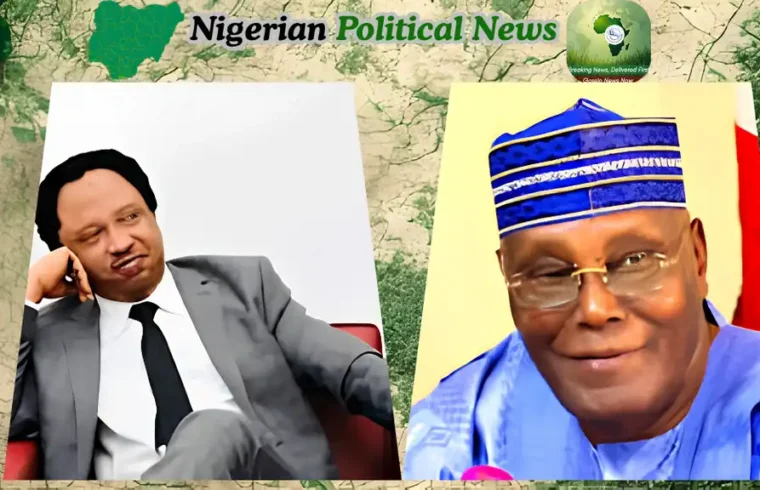
Political Snapshot
A fresh political dispute has unfolded following criticism of former Vice President Atiku Abubakar’s decision to engage a United States lobbying firm in pursuit of documents linked to President Bola Ahmed Tinubu.
The controversy intensified after former Kaduna Central senator Shehu Sani described the move as damaging to Nigeria’s international image. However, Atiku’s media adviser, Paul Ibe, rejected the criticism, insisting that employing lobbyists is both lawful and widely accepted in political advocacy.
The exchange has broadened public debate on transparency, political accountability and the role of international lobbying in Nigeria’s democratic process.
Latest Development
The disagreement began after Shehu Sani publicly criticised the reported engagement of a United States lobbying firm to seek the release of records relating to President Bola Tinubu’s alleged past drug trafficking case.
According to the former lawmaker, involving foreign lobbyists in matters concerning Nigeria’s sitting President could portray the country negatively before the international community and potentially create unnecessary diplomatic concerns.
Responding to the criticism, Paul Ibe maintained that hiring lobbyists should not be viewed as controversial. He argued that such services are legitimate tools used across democratic societies to pursue lawful objectives and advocate for public interest issues.
Background
Interest in official records relating to President Bola Tinubu has remained a recurring subject of political discussion for several years.
The latest development stems from efforts by associates of Atiku Abubakar to obtain additional documents reportedly held by United States authorities concerning the President’s past.
While supporters of the former Vice President argue that Nigerians deserve access to every legally obtainable record concerning anyone occupying the nation’s highest office, critics believe the strategy could have wider diplomatic implications for the country.
The disagreement has therefore evolved beyond the documents themselves into a broader debate over political ethics, transparency and international advocacy.
Key Political Voices
Former senator Shehu Sani believes seeking the assistance of foreign lobbying organisations in matters involving Nigeria’s President is inappropriate and could undermine the country’s global reputation.
On the other hand, Paul Ibe argued that the criticism overlooks the normal role lobbying firms play in democratic systems. He insisted there is nothing unusual about engaging professionals to facilitate access to information through legitimate legal and institutional channels.
The presidential aide also alleged that the current administration previously invested public resources in lobbying activities in the United States, suggesting that criticism of Atiku’s approach should be viewed within a broader political context.
In defending his principal’s position, Ibe further maintained that the real issue should be whether Nigerians are entitled to know the contents of official records relating to their President, rather than focusing solely on the means used to request those records.
Power Analysis
The disagreement between Paul Ibe and Shehu Sani reflects more than a personal exchange of opinions. It highlights two competing approaches to political accountability.
One perspective prioritises protecting Nigeria’s diplomatic standing and argues that political disagreements should be resolved without seeking international intervention that could affect the country’s reputation.
The opposing view places greater emphasis on transparency, insisting that public office holders should remain open to scrutiny regardless of where relevant records are located.
The timing of this debate is also politically significant. As opposition figures continue searching for avenues to challenge the ruling administration, issues surrounding accountability and access to information are becoming central themes in Nigeria’s political discourse.
Gossip News Now reports that beyond the immediate disagreement, the controversy demonstrates how international legal processes, lobbying efforts and public perception have become increasingly intertwined with domestic political competition.
Bottom Line
The exchange is unlikely to end the wider conversation surrounding transparency and political accountability in Nigeria.
Whether the lobbying effort ultimately leads to the release of additional records or not, the controversy has already renewed public discussion about the standards expected of political leaders and the methods opposition figures may employ in pursuing information they consider to be in the public interest.
As political actors continue advancing competing narratives, citizens will ultimately decide which arguments they find more convincing based on evidence, accountability and the broader national interest.
Key Takeaways
- Paul Ibe has defended Atiku Abubakar’s decision to engage a United States lobbying firm.
- Shehu Sani believes the move could negatively affect Nigeria’s international reputation.
- Ibe argues that lobbying is a legitimate political practice and alleges that similar methods have previously been used by the current administration.
- The disagreement has shifted public attention toward issues of transparency, accountability and citizens’ access to information concerning public office holders.
- The controversy highlights the continuing political contest between protecting national image and promoting openness in governance.
Questions for Readers
- Do you believe engaging foreign lobbying firms is an appropriate way to pursue political transparency?
- Should access to official records concerning public office holders take precedence over concerns about Nigeria’s international image?
- How can political leaders promote accountability while safeguarding the country’s diplomatic interests?
Join the Conversation
What do you think about the latest disagreement between supporters of Atiku Abubakar and Shehu Sani? Share your views respectfully in the comments below. Your opinions are valuable and help encourage informed discussions on governance, accountability and the future of Nigeria’s democracy.