Institutional Focus
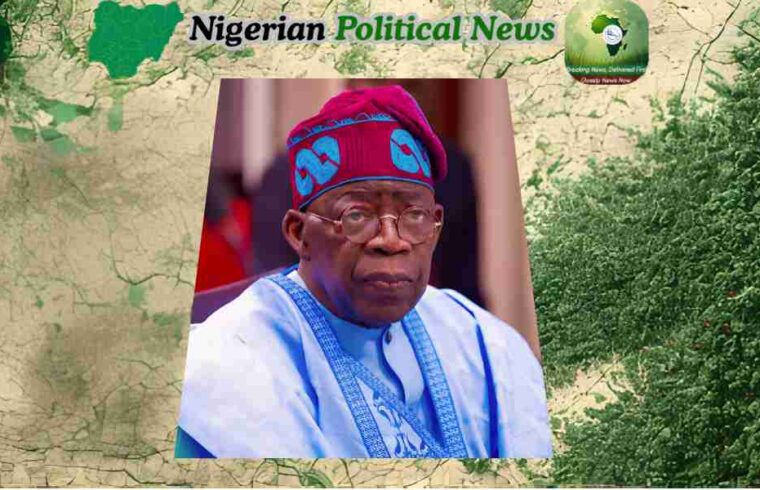
Questions surrounding the independence of Nigeria’s electoral institutions have resurfaced after the Inter-Party Advisory Council (IPAC) criticised President Bola Tinubu’s recent remarks describing the Independent National Electoral Commission (INEC) as a neutral institution.
The council believes issues concerning the commission’s credibility should be addressed by the electoral body itself in order to preserve public confidence in its constitutional independence.
What Prompted the Debate
The discussion followed comments made by President Bola Tinubu while receiving members of the Catholic Bishops’ Conference of Nigeria at the State House in Abuja on July 29, 2026.
During the meeting, the President described INEC as a neutral institution, a position that generated reactions from political stakeholders involved in discussions about Nigeria’s electoral process ahead of the 2027 general elections.
IPAC’s Position
Speaking during an interview on Arise Television, IPAC National Chairman Yusuf Dantalle argued that although the President is entitled to express personal opinions, public statements regarding the credibility and performance of INEC should come directly from the commission.
According to him, the President occupies a national office that requires maintaining public confidence in independent democratic institutions.
“The President is not the spokesperson of INEC and doesn’t work in INEC. I do not agree with the President making such remarks because he is not the spokesperson of INEC.”
Dantalle maintained that IPAC would also refrain from speaking on behalf of the commission, allowing INEC to explain its own activities and decisions whenever necessary.
Why Electoral Independence Matters
Independent electoral institutions occupy a central position in every democratic system because public trust in election outcomes depends largely on confidence in the bodies responsible for organising them.
For that reason, IPAC believes institutional credibility is strengthened when electoral commissions communicate independently and are seen to operate without political influence or external representation.
The council argued that maintaining clear boundaries between elected officials and constitutionally independent institutions helps reinforce transparency and public confidence in the electoral process.
Reform Agenda
Beyond its criticism of the President’s remarks, IPAC said its engagement with INEC has focused on broader reforms aimed at improving Nigeria’s electoral framework.
According to Dantalle, the council has already submitted recommendations to the Joint Committee of the National Assembly on the Constitution and Electoral Act Amendment.
He explained that many challenges associated with election administration stem from existing legal provisions rather than the electoral commission alone, making legislative reform an important part of strengthening future elections.
Election Readiness
The council also disclosed that it intends to continue assessing INEC’s operational preparedness before the next general election.
According to Dantalle, IPAC will closely monitor the commission’s planned mock accreditation exercise and evaluate other electoral preparations before reaching conclusions on its overall readiness.
He noted that additional observations would be made public after those assessments have been completed.
Governance Outlook
As political activities gradually increase ahead of the 2027 elections, discussions about institutional independence, electoral reforms and administrative preparedness are expected to remain central to Nigeria’s democratic process.
The exchange between the Presidency and IPAC reflects broader national conversations about strengthening public confidence in electoral institutions while ensuring that constitutional bodies continue to perform their responsibilities with transparency and independence.
How those issues are addressed in the coming months may influence both public perception of the electoral process and ongoing efforts to improve Nigeria’s democratic institutions.
Essential Points
- IPAC criticised President Bola Tinubu’s comments describing INEC as a neutral institution.
- Yusuf Dantalle argued that only INEC should publicly defend its credibility and performance.
- The council said it has submitted recommendations on electoral reforms to the National Assembly.
- IPAC plans to assess INEC’s preparedness through mock accreditation exercises and additional engagements.
- The discussion has renewed attention on electoral independence, institutional accountability and preparations for the 2027 general elections.
© 2025 Gossip News Now, a division of CHIEJOS HARBIAN DIGITAL MEDIA LTD.
Contact us via admin@gossipnewsnow.online.