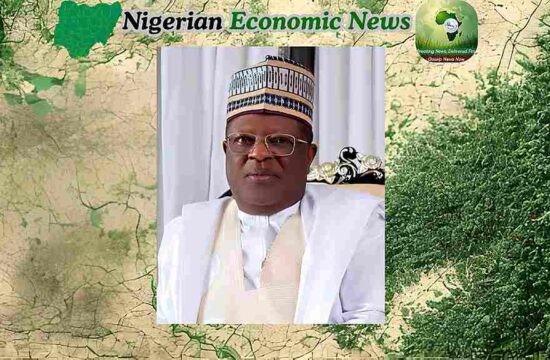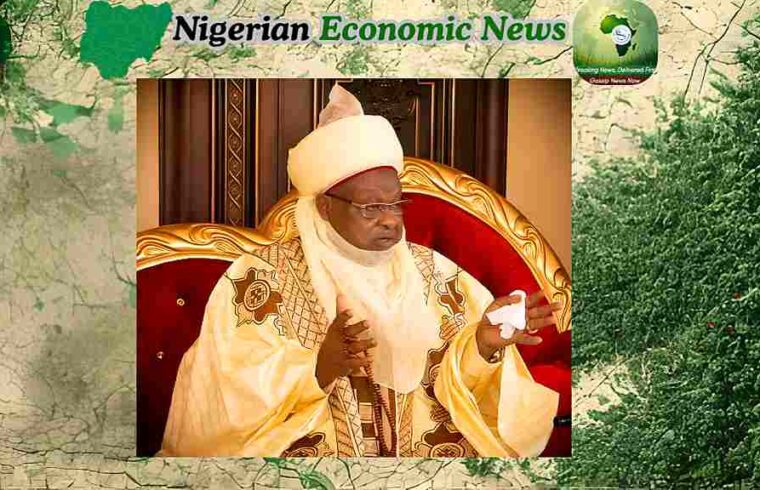
The Emir of Katsina, Abdulmumini Usman, has warned Abdulaziz Yari, director-general of the All Progressives Congress (APC) presidential campaign council, about the consequences of treating people badly and making political promises that leaders know they may not fulfil.
The monarch delivered the warning when Yari and his delegation visited his palace in Katsina on Thursday as part of consultations for President Bola Tinubu’s re-election bid, according to the supplied report.
Usman urged political leaders to prioritise public interest, act responsibly and avoid using politics as a platform for personal attacks. He also expressed concern about divisions in the North-West, using a Hausa proverb to illustrate what he described as the weakening of unity in the region.
Key Takeaways
- Warning to political leaders: The Emir of Katsina cautioned Yari about the consequences of treating people badly.
- Political promises: Usman warned against making promises that leaders know they may not fulfil.
- Public interest: The monarch urged politicians to separate personal interests from the interests of the people they serve.
- Political conduct: He criticised attacks on opponents, slander and the destruction of others’ wealth.
- Regional unity: The Emir expressed concern about divisions in the North-West and illustrated his point with a Hausa proverb about a wall that has fallen.
Why the Emir of Katsina Warned Abdulaziz Yari
The Emir’s remarks came during a visit by Yari and his delegation to the palace in Katsina as part of consultations connected to Tinubu’s re-election bid.
Addressing Yari, Usman said traditional rulers had a responsibility to speak honestly to political leaders. He stressed that public office should come with respect for the people and accountability for the decisions leaders make.
The Emir said:
“Director-general, you are now on board. Not only in Katsina, but across the entire country. We as traditional leaders must tell you the truth.
I swear, you must love, value, and respect people before Allah will be with you. Whoever you are, if you treat people badly, you will also experience things you do not like,”
The remarks placed public responsibility at the centre of the monarch’s message. He warned that political leaders should not assume that their actions would go unanswered, particularly when their decisions affect the people they represent.
Emir Cautions Against Unfulfilled Political Promises
Usman also addressed the issue of political promises, warning that dishonesty in public affairs could have serious consequences. He contrasted what he described as limited circumstances in which a lie might be permissible with political dishonesty involving promises that leaders know they cannot deliver.
The Emir said:
“It is permissible to lie to please your wife, to lie to a patient so they can recover, and to lie during a war by claiming you are going west when you are actually heading east. These are all permissible.
But lies of this political nature will catch up with you, especially when you know he will not deliver on his promises. God will judge us, wallahi, I swear to God.”
The warning reflects the monarch’s concern about political leaders making commitments without a genuine intention or ability to fulfil them. His remarks framed political promises as a matter of public trust and personal accountability.
The comments should be understood as the Emir’s warning to political leaders. The supplied report does not establish that Yari or any other named politician has personally made a promise they knew they could not fulfil.
Emir Criticises Politicians Over Personal Interests
Beyond political promises, Usman criticised politicians for what he described as a growing tendency to prioritise personal interests over the needs of the wider public.
He argued that political leaders should distinguish their private ambitions from their responsibilities to others. The Emir said:
“As traditional leaders, we have talked and advised that the first among you should be the one who separates his personal interest from the interest of others.
However, that is no longer the case. Why? Today, we have no other preoccupation than to castigate people, destroy their wealth, and slander one another,”
The monarch’s comments highlighted his concern about political conduct and the consequences of hostility among political actors. Rather than concentrating on public needs, he suggested that politicians were becoming preoccupied with attacking one another.
His remarks presented leadership as a responsibility that requires restraint, honesty and consideration for the wider community.
Emir Questions Political Divisions in the North-West
Usman also questioned whether political activity was being conducted in a way that encouraged constructive debate or had instead become a source of conflict.
He expressed concern about divisions in the North-West and recalled calls for people to maintain unity rather than allow political differences to separate them.
The Emir said:
“What is politics? Convince me into your conviction that it is politics, not a fight.
We were told to behave like children of the same father and mother and not to divide ourselves, because Allah knows that division is dangerous.
A Hausa proverb says that a wall only cracks to let a lizard enter, but now, it is not just a lizard, even a camel can pass through because the wall has already fallen,”
The proverb was used to illustrate the Emir’s concern that divisions had become so serious that the unity which once held people together had weakened. By comparing a small crack in a wall with a collapse large enough for a camel to pass through, he emphasised the scale of the problem as he sees it.
His comments linked political conduct with the wider social consequences of division. They also reinforced his call for political leaders to avoid turning disagreements into hostility that undermines relationships within the region.
What the Emir’s Warning Means for Political Leadership
The Emir’s message centred on three broad concerns: keeping political promises, putting public interests ahead of personal ambitions and avoiding conduct that deepens divisions.
His remarks also underscored the role he believes traditional rulers should play in advising political leaders and speaking openly about issues affecting their communities.
The palace visit took place in the context of consultations for Tinubu’s re-election bid. However, the supplied report does not provide a response from Yari to the Emir’s comments or establish how the warning will affect the political consultations.
For now, the central message from the meeting is the monarch’s call for greater honesty, respect for the public and a more responsible approach to political competition.
Frequently Asked Questions
1. What warning did the Emir of Katsina give Abdulaziz Yari?
The Emir warned that people who treat others badly could eventually experience consequences they do not like. He also cautioned political leaders against making promises they know they may not fulfil.
2. Why did Abdulaziz Yari visit the Emir of Katsina?
According to the supplied report, Yari and his delegation visited the Emir’s palace in Katsina as part of consultations for President Bola Tinubu’s re-election bid.
3. What did the Emir say about political promises?
Usman warned that political dishonesty would catch up with leaders, particularly when they know they will not deliver on their promises.
4. What did the Emir criticise about politicians?
He criticised politicians for prioritising personal interests, attacking opponents, slandering one another and engaging in conduct that he believes undermines the public good.
5. What did the Emir say about divisions in the North-West?
The monarch expressed concern about division in the region and used a Hausa proverb about a wall that had fallen to illustrate the extent of the problem as he sees it.
6. What is the main message of the Emir’s remarks?
The main message is that political leaders should respect the people, act honestly, fulfil their commitments and avoid allowing political competition to undermine unity.
7. Did Abdulaziz Yari respond to the Emir’s warning?
The supplied report does not include a response from Yari. Any response should be verified before being added to the article.
Conclusion
The Emir of Katsina, Abdulmumini Usman, has used his meeting with APC campaign director-general Abdulaziz Yari to deliver a broader warning about political promises, public accountability and the dangers of division.
His remarks called on political leaders to respect the people, place public interests above personal ambitions and avoid turning politics into a contest defined by attacks and hostility.
The Emir’s concerns about unity in the North-West added a regional dimension to his message. Whether the warning prompts a response from the politicians involved is not established in the supplied report, but the central point remains clear: Usman believes political leadership must be grounded in honesty, responsibility and respect for the public.