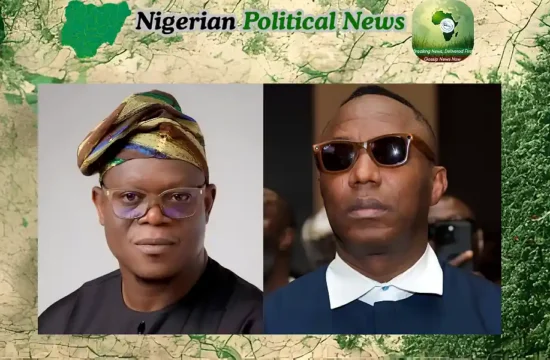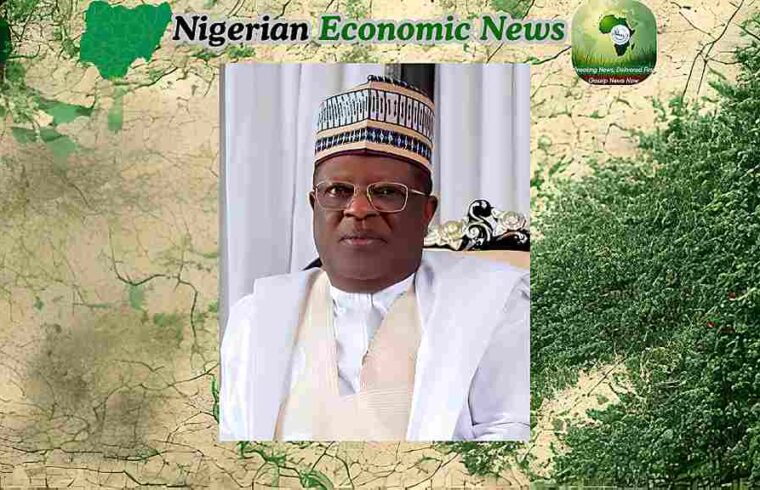
Minister of Works Dave Umahi has defended the Federal Government’s Lagos–Calabar Coastal Highway project after former Cross River State governor Donald Duke reportedly described it as land grabbing.
Umahi argued that political considerations were driving some of the criticism, insisting that the project’s benefits were becoming increasingly apparent. He made the remarks during an interview with Arise Television on Friday, according to the supplied report.
The dispute has brought renewed attention to the highway project, the political disagreements surrounding it and questions about public infrastructure and accountability.
Key Takeaways
- Umahi rejects the land-grabbing criticism: The works minister argues that political considerations are behind some of the objections to the Lagos–Calabar Coastal Highway.
- Donald Duke is central to the dispute: The supplied report says the former Cross River governor criticised the project as land grabbing.
- Umahi cited Tinapa in his response: He questioned the functionality of the project and referred to borrowing by the Cross River State Government.
- The minister linked the highway to Niger Delta development: He argued that the region could lose out if President Bola Tinubu does not return to office.
- Important details remain unclear: The supplied article does not provide Duke’s full argument, specific land-acquisition records or independent evidence resolving the competing claims.
Why Umahi Says the Highway Is Facing Political Criticism
Umahi said that political disagreements were influencing how some people viewed the Lagos–Calabar Coastal Highway. He also expressed satisfaction that other people were beginning to support the project.
The minister’s comments were made in response to criticism attributed to Donald Duke, who reportedly described the highway as land grabbing.
Umahi challenged Duke’s position and referred to Tinapa, a development project associated with Cross River State, as part of his argument about public investment and the use of borrowed funds.
He said:
“He called a sitting governor a local champion, and that is very terrible and unfortunate.”
The minister then questioned the performance of Tinapa and compared the criticism of that project with the allegations surrounding the coastal highway.
He said:
“When we talk about bogus projects we should be talking about Tinapa, is it functioning? It’s not functioning, but you borrowed money from the state, which one is land grabbing?”
These statements reflect Umahi’s criticism of Duke and his defence of the federal highway project. The supplied report does not independently establish the current operational status of Tinapa or provide financial records supporting the minister’s remarks about borrowing.
Umahi Says Political Differences Are Driving the Dispute
Umahi also claimed that Duke and other former governors had previously supported the coastal highway project before the latest criticism emerged.
He said:
“It’s very terrible and if I’m not mistaking before he jumped to another party, himself and a former governor of Delta State had gone to commend the president about that project, and they were all part of the Coastal Highway project when they were all governors.”
The minister argued that political differences were now influencing the way some people described the project.
He said:
“And so, because of politics you are now saying it’s land grabbing, who is grabbing the land? Before now I was the only person defending the Lagos-Calabar Coastal Highway but I’m very happy now that I now have companions, people that are interested, people that appreciated the president.”
The comments show how Umahi frames the disagreement: he believes political considerations are behind the land-grabbing criticism, while presenting the highway as a project worthy of support.
However, the supplied report does not include Duke’s full explanation of his objection. Without that response and relevant project documentation, readers cannot use Umahi’s comments alone to determine the merits of the land-grabbing allegation.
What the Dispute Means for Public Infrastructure Accountability
The disagreement raises broader questions about how major public infrastructure projects are assessed, including the use of land, the treatment of affected communities, the management of public funds and the benefits expected from construction.
The supplied article focuses primarily on Umahi’s response. It does not provide details of the highway’s land-acquisition process, compensation arrangements, project expenditure or the specific evidence cited by Duke.
Those details would be important in assessing the competing positions. A political defence of a project does not, by itself, establish that all land-acquisition procedures have been followed. Equally, a political allegation does not establish wrongdoing without supporting evidence.
For a fuller assessment, readers would need verified project documents, relevant government statements and Duke’s complete explanation of why he described the highway as land grabbing.
Umahi Warns About the Political Future of the Niger Delta
The minister also connected the future of the coastal highway to President Bola Tinubu’s re-election prospects. He urged people in the Niger Delta to support the president, arguing that the region could be overlooked if Tinubu failed to return to office.
Umahi said:
“And let me say to the people of the Niger Delta that the president has to return because, God forbids that he fails to return, they will continue to ignore Niger Delta and the Lagos-Calabar road will be gone. You have seen the kind of people that don’t want the hen that lays the golden egg to benefit.”
The statement moves beyond the immediate disagreement over land grabbing and into electoral politics. Umahi presents the project as connected to the political future of the Niger Delta, but the supplied report does not provide independent evidence that the highway would be cancelled or abandoned if the president were not re-elected.
His warning should therefore be understood as the minister’s political argument rather than a confirmed prediction about the project’s future.
What Remains Unclear About the Lagos–Calabar Coastal Highway Dispute?
Several questions remain unanswered in the supplied report.
First, it does not reproduce Duke’s full statement or explain the evidence behind his land-grabbing criticism. That makes it difficult to assess the specific concerns he raised.
Second, the article does not provide official land-acquisition documents, details of compensation for affected landowners or independent findings on whether the relevant procedures have been followed.
Third, Umahi’s remarks about Tinapa and the borrowing associated with it are not accompanied by financial records or an independent assessment of the project’s current operation.
Finally, the supplied report does not establish whether any official investigation or legal proceeding has determined the validity of the land-grabbing allegation.
These gaps do not resolve the dispute in favour of either side. They identify the information needed to examine the claims more fully.
Frequently Asked Questions
1. Why is Dave Umahi defending the Lagos–Calabar Coastal Highway?
According to the supplied report, Umahi is responding to criticism attributed to former Cross River State governor Donald Duke, who reportedly described the project as land grabbing. Umahi argues that politics is driving some of the criticism.
2. Who accused the Lagos–Calabar Coastal Highway project of land grabbing?
The report attributes the criticism to Donald Duke, a former governor of Cross River State. His full argument is not reproduced in the supplied article.
3. What did Umahi say about Tinapa?
Umahi questioned whether Tinapa was functioning and referred to borrowing by the Cross River State Government. The supplied report does not include independent evidence establishing the project’s current operational or financial position.
4. Has it been established that the coastal highway involves land grabbing?
The supplied article does not establish that conclusion. It reports a criticism attributed to Duke and Umahi’s response, but provides no independent finding resolving the allegation.
5. Why did Umahi mention President Bola Tinubu’s re-election?
Umahi argued that the Niger Delta could be overlooked and the highway could be lost if Tinubu did not return to office. This was the minister’s political argument; the supplied report does not independently confirm that the project depends on the outcome of the election.
6. What information would help readers assess the dispute?
Useful evidence would include Duke’s full statement, official land-acquisition and compensation documents, relevant project records, and verified information about the project’s implementation and funding.
7. Why is the dispute important for public infrastructure accountability?
Major infrastructure projects can affect landowners, communities, public spending and regional development. Examining official records and the arguments of all parties helps readers assess whether concerns are supported by evidence.
Conclusion
Dave Umahi has defended the Lagos–Calabar Coastal Highway against land-grabbing criticism attributed to Donald Duke, arguing that political considerations are influencing the dispute. He also invoked Tinapa and the political future of the Niger Delta in making his case.
The disagreement highlights the need to distinguish political arguments from verifiable information about land acquisition, public expenditure and project delivery. The supplied report does not contain enough evidence to determine the validity of the land-grabbing allegation or to independently confirm all of Umahi’s counterclaims.
A clearer assessment will require Duke’s full position, relevant project documentation and reliable information about how the highway’s land-acquisition and implementation processes have been handled.