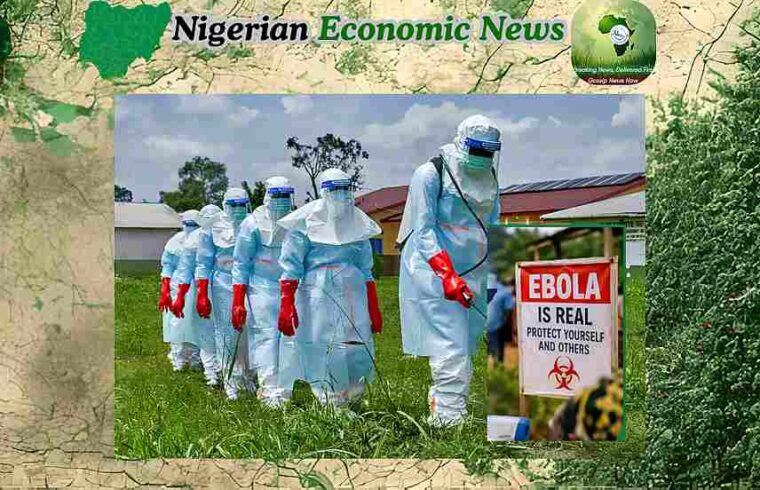
Nigeria’s reported confirmation of an Ebola case has renewed concerns about the ability of the country and other African nations to detect infectious diseases early, fund emergency responses and prevent further transmission across borders.
The Federal Ministry of Health and Social Welfare reportedly confirmed the case on October 20, 2026, after laboratory tests detected the Ebola virus in a woman who had recently travelled to Nigeria from Uganda, according to the supplied report.
The patient was admitted to a private hospital in the Federal Capital Territory (FCT), Abuja, and was subsequently placed in isolation for medical care. Authorities reportedly began contact tracing, identifying 44 people who had been in close contact with her, while strengthening disease surveillance and infection prevention measures.
The World Health Organization (WHO) cautioned, according to the report, that one imported case does not automatically mean a country is experiencing an outbreak. It urged the public to remain calm, avoid misinformation and follow official health guidance while investigations continued.
However, the development has revived a broader question: have Nigeria and other African countries done enough to address the weaknesses exposed by previous Ebola outbreaks and the COVID-19 pandemic?
Health practitioner Samson Ojo and African cultural advocate Adekunle Adeleke, popularly known as D Baba Afrika, identified concerns including inadequate healthcare funding, weak community surveillance, shortages of trained health workers, limited laboratory capacity and gaps in cross-border cooperation. Their assessments point to the importance of strengthening preparedness before another public-health emergency occurs.
Key Takeaways
- Preparedness remains a concern: Health practitioner Samson Ojo says African countries have improved since the 2014 Ebola outbreak, but significant weaknesses remain.
- Funding and staffing matter: Inadequate resources, shortages of trained healthcare workers and pressure on existing staff could hinder outbreak responses.
- Early detection is critical: Weak surveillance in rural and border communities can delay the identification and reporting of suspected infections.
- Laboratories need support: Limited testing capacity and delays in transporting samples can slow confirmation and response.
- COVID-19 lessons must be sustained: Ojo says some infection-prevention measures introduced during the pandemic were later abandoned.
- Regional cooperation is important: Experts highlighted slow information-sharing and limited coordination between neighbouring countries.
- Public trust supports preparedness: Clear communication, local-language information and trusted community leaders can help people understand and follow health guidance.
Nigeria’s Reported Ebola Case Puts Preparedness Under Scrutiny
The reported case has placed renewed attention on the systems needed to identify and contain infectious diseases. These include disease surveillance, laboratory testing, properly equipped healthcare facilities, trained personnel and communication between health authorities.
The supplied report states that the government directed public and private health facilities to remain alert for suspected cases. It also describes measures to strengthen infection prevention at the hospital and trace people who had been in contact with the patient.
Such measures are important components of an outbreak response, but the wider effectiveness of a country’s preparedness also depends on whether similar systems are available beyond major hospitals and urban centres.
The WHO’s reported caution about distinguishing an imported case from a wider outbreak is also significant. A confirmed case requires an appropriate public-health response, but the scale and status of an outbreak must be determined by health authorities using verified epidemiological information.
Against this background, the discussion has shifted beyond the immediate case to the long-term capacity of African health systems to respond to future emergencies.
Samson Ojo Says African Countries Remain Poorly Prepared
Samson Ojo, a Senior Registered Community Health Practitioner in Oyo State, acknowledged that African countries had made progress since the Ebola outbreak of 2014. However, he argued that funding shortages, inadequate surveillance and limited staffing continued to undermine preparedness.
Ojo said:
“African Countries are not doing very well yet, however they are much better than 2014,”
He explained that some countries had established disease-control agencies, laboratories and emergency operation centres following earlier outbreaks. However, he said these developments had not fully resolved weaknesses at the primary healthcare level, where many people first seek medical attention.
Describing conditions in Nigeria, Ojo said:
“In Nigeria funding is low, there is no surveillance and many facilities lack PPE, isolation wards, and trained and qualified staff,”
His assessment highlights the difference between having national disease-control institutions and ensuring that frontline facilities have the staff, equipment and procedures needed to identify and manage suspected infections.
Primary healthcare centres are particularly important because they can be the first point of contact for people experiencing symptoms. If staff lack appropriate training, protective equipment or referral procedures, suspected cases may not be recognised or reported quickly.
The claims about funding and facility readiness are Ojo’s assessment. The supplied report does not provide a nationwide facility audit or budget figures to quantify the extent of the gaps he describes.
Why Funding and Vaccine Research Matter
The Director-General of the Africa Centres for Disease Control and Prevention (Africa CDC), Dr Jean Kaseya, also raised concerns about international support for research into vaccines against the Bundibugyo strain of Ebola.
Speaking during an interview on Channels Television’s The Morning Brief, Kaseya argued that the international response to vaccine development would have been different if the outbreak had affected Western countries.
He said:
“I can tell you, if this outbreak was in Western countries, vaccine will already be available. Why this vaccine today is not available? Because some of our partners decided to consider this issue as an African issue, they were not interested,”
Kaseya’s comments reflect his criticism of what he sees as unequal attention to African health emergencies. He also called on African countries to invest more in vaccine research and production.
The supplied report does not independently establish the reasons for the availability or development status of a vaccine for the strain in question. Any publication of specific claims about vaccine development should therefore be checked against current information from relevant scientific and public-health authorities.
Ojo, meanwhile, identified funding as a central weakness in outbreak preparedness. He said dependence on donors and foreign partners could make it difficult for countries to maintain emergency systems over the long term.
He said:
“Underfunded health care systems’ outbreak budget for outbreak response often depends on donors and foreign partners. There is weak to no surveillance at the community level, which makes cases hide for days,”
Dependence on external funding can raise questions about the continuity of preparedness programmes when donor support changes or is delayed. Long-term planning also requires resources for routine surveillance, staff training, equipment maintenance and laboratory operations, rather than emergency spending only after an outbreak begins.
The broader issue is whether governments can provide consistent funding for systems that may not appear urgent during periods without a major outbreak.
Laboratory Capacity and Health Worker Shortages
Effective outbreak response depends on the ability to test suspected infections and communicate results quickly. Ojo warned that some health facilities lacked the capacity to test suspected cases locally, meaning samples might have to travel long distances before confirmation.
He said:
“Most samples will have to travel far for confirmation. There is Health workforce shortage and work overload on the available staff,”
Delays in sample transportation and testing can complicate the work of health authorities investigating a suspected outbreak. Shortages of trained personnel can add further pressure on facilities responsible for identifying cases, providing care and tracing contacts.
Ojo also pointed to outdated recordkeeping systems as a barrier to rapid information-sharing. He said:
“African countries are yet to adopt modern computing document systems which aid reporting and response. They are still stuck with paper records which slow down response.”
Digital reporting systems can help authorised health officials share information more efficiently, although technology must be supported by reliable infrastructure, trained staff, secure data management and clear reporting procedures.
The supplied report does not quantify how many facilities lack digital systems or how much these limitations affect response times. Nevertheless, Ojo’s comments identify information management as one of the areas he believes needs attention.
Why Late Detection Could Worsen Outbreaks
Ojo warned that suspected infections may not always be detected early enough, particularly in rural and border communities where access to healthcare can be limited.
He said:
“Early detection is not always in African nations. In urban centers, detection is faster, but in rural and border communities, where outbreaks often start, detection is always late due to poor access, traditional healing beliefs, and fear of reporting,”
His assessment points to several potential obstacles: distance from healthcare facilities, reluctance to report symptoms, concerns about how communities may be treated and reliance on care options outside the formal health system.
When people delay seeking medical attention or reporting a suspected infection, health authorities may have less time to identify contacts and implement appropriate public-health measures.
Building trust is therefore part of preparedness. Communities need accessible information, clear reporting channels and confidence that people who seek help will be treated respectfully.
The report also raises concerns about cooperation between neighbouring countries. Ojo argued that weak coordination and slow information-sharing could complicate efforts to manage cross-border health risks.
He said:
“Realistically, cooperation is shallow and weak. Africa’s borders are porous, information sharing is slow, and countries often close borders unilaterally without coordination, which drives secret crossings and hides cases. Joint simulation exercises are still shallow,”
Ojo acknowledged that regional protocols existed, adding:
“However, on paper, ECOWAS and Africa CDC protocols exist.”
The distinction he makes is between having formal agreements and implementing them consistently. Effective cooperation requires practical communication channels, coordinated planning and exercises that allow countries to test how they would respond to a cross-border emergency.
Lessons From COVID-19 and Previous Ebola Outbreaks
Ojo argued that African countries had not fully addressed some of the weaknesses exposed by COVID-19 and earlier Ebola outbreaks.
He pointed to concerns about local production of vaccines and diagnostic tools, community engagement, sustainable funding for infection prevention and the retention of trained health workers.
According to Ojo, some infection-prevention measures introduced during the COVID-19 pandemic were not maintained.
He said:
“There is still no Sustained funding for infection prevention. After COVID, many handwashing stations and IPC training were abandoned,”
The observation raises a broader preparedness question: whether emergency measures can be maintained as part of routine healthcare after public attention shifts away from a crisis.
Preparedness involves more than establishing emergency procedures during an outbreak. It also requires maintaining equipment, training workers, updating protocols and ensuring that facilities can continue to apply infection-prevention measures during ordinary operations.
Ojo said Nigeria was better prepared than in previous years, while warning that gaps remained. He credited improvements in national systems, laboratories in several states and health screening at ports with strengthening response capacity.
He said:
“While some Africa Countries are not very well prepared. Nigeria is better prepared than the previous years when we contained it through quick action,”
However, he expressed concern about general hospitals that may lack functional isolation facilities and about declining public compliance with infection-prevention measures.
These observations suggest that national improvements do not necessarily mean every state or facility has the same level of readiness. A complete assessment would require current, verifiable information about facility capacity, staffing, equipment and emergency response arrangements.
‘God Will Protect Us’: The Role of Public Trust and Awareness
Adekunle Adeleke, popularly known as D Baba Afrika, an African cultural advocate based in Ethiopia, warned that beliefs about Africans being able to withstand disease could weaken efforts to prevent and control infectious illnesses.
He argued that inadequate infrastructure and limited access to modern detection technology could delay the identification of infected people. He also questioned the effectiveness of cross-border cooperation.
Adeleke said:
“Sincerely, it is very poor, because how can you allow an infected person to travel out to another neighbouring country, it means we handle things with ‘God will protect us’.”
His remarks criticised an attitude he believes can lead people to rely on fate rather than practical prevention and preparedness measures.
Adeleke also argued that governments had not learned enough from the damage caused by previous pandemics.
He said:
“African governments fail to learn from the harm caused by the previous pandemic. If we had learned from it, what we are seeing in today’s new pandemic would not need to happen. But we learn everyday,”
His comments underline the importance of translating lessons from earlier emergencies into sustained improvements in public-health systems.
Adeleke urged governments to respond quickly when infections are detected and to work with international organisations to improve access to technology, medical resources, healthcare worker training and public awareness campaigns.
Public awareness is especially important when people need to know where to seek help, how to report suspected symptoms and how to follow official instructions without spreading rumours.
What Governments Can Do to Strengthen Outbreak Preparedness
Ojo called for stronger primary healthcare services, better-equipped facilities, trained emergency teams and improved laboratory networks. He argued that investments should be made before an outbreak occurs rather than after a crisis has begun.
On primary healthcare funding, he said:
“Adequate Funding and equipment of PHCs across the nation because outbreak starts there,”
He also called for emergency teams to remain prepared:
“The rapid response teams should be trained and on standby.”
On laboratory capacity and sample transportation, Ojo called for:
“A system that Strengthened the laboratory network and sample transport.”
He further urged governments to strengthen surveillance and risk communication before emergencies develop.
Ojo said:
“African countries should invest in community surveillance, emergency response, and risk communication structures now, and not during a crisis,”
Taken together, the recommendations point to several areas for government attention:
- Sustainable funding: Provide consistent resources for disease surveillance, infection prevention, laboratory operations and emergency planning.
- Primary healthcare readiness: Ensure frontline facilities have appropriate equipment, trained staff and clear procedures for referring suspected cases.
- Faster testing: Strengthen laboratory networks and the transport of samples to facilities capable of confirming suspected infections.
- Trained response teams: Maintain teams that can be mobilised when an outbreak is suspected.
- Community surveillance: Improve channels through which communities can report concerns and receive guidance.
- Cross-border coordination: Support timely information-sharing and joint preparedness exercises between neighbouring countries.
- Public communication: Provide accurate updates in local languages and work with trusted community figures to counter misinformation.
These are recommendations from the interviewees and a summary of the measures they advocated. Their implementation would depend on government decisions, available resources and guidance from relevant public-health authorities.
How Governments Can Build Public Trust
Ojo said communication would be central to preventing panic and helping people follow public-health advice. He recommended using local languages and involving religious leaders, traditional rulers and community health extension workers.
He said:
“Communication in local languages, using religious leaders, traditional rulers, Community health extension workers. There should be daily updates, acknowledging what is not known,”
His recommendation emphasises the value of clear, consistent communication, including honest explanations when information is incomplete.
During a public-health emergency, conflicting messages or unverified claims can make it harder for people to understand what precautions are appropriate. Regular updates from credible authorities can help communities distinguish confirmed information from speculation.
Public trust also depends on how health systems respond to people who report symptoms or seek assistance. Accessible services, respectful treatment and transparent communication can encourage people to seek help earlier.
What Happens Next?
The immediate priority, according to the supplied report, is continued investigation, contact tracing and implementation of public-health measures by the relevant authorities. The status of the reported case and any wider outbreak assessment should be established through current official updates.
The broader preparedness questions raised by Ojo, Kaseya and Adeleke extend beyond one reported case. They concern whether governments can sustain funding, maintain trained health workforces, strengthen laboratory capacity, improve community surveillance and coordinate with neighbouring countries.
The experts also emphasised the need to retain lessons from COVID-19 and previous Ebola outbreaks instead of allowing emergency measures to disappear once public attention declines.
For Nigeria and other African countries, stronger preparedness would require sustained action between emergencies, not only urgent interventions after a suspected case is identified.
Frequently Asked Questions
1. Why has Nigeria’s Ebola preparedness come under scrutiny?
The supplied report says a case was confirmed in a woman who had travelled to Nigeria from Uganda. The development prompted renewed questions about surveillance, laboratory capacity, healthcare staffing, funding and the lessons learned from previous outbreaks.
2. Does one reported Ebola case automatically mean Nigeria is experiencing an outbreak?
No. The report attributes to the World Health Organization a warning that one imported case does not, by itself, establish that a country is experiencing an outbreak. The current status should be confirmed through official public-health updates.
3. What weaknesses did Samson Ojo identify in African health systems?
Ojo highlighted low funding, weak community surveillance, shortages of trained health workers, limited testing capacity, delays in sample transportation, outdated reporting systems and inadequate preparedness at some primary healthcare facilities.
4. Why is early detection important during an Ebola response?
Early detection helps health authorities identify suspected cases and contacts sooner, investigate possible transmission and implement appropriate public-health measures. Delays can make an outbreak more difficult to investigate and control.
5. What did the Africa CDC director say about Ebola vaccine research?
According to the supplied report, Dr Jean Kaseya criticised what he described as insufficient international interest in developing a vaccine against the Bundibugyo strain of Ebola. The specific status of vaccine development should be checked against current scientific and public-health sources.
6. What lessons from COVID-19 did Ojo highlight?
Ojo said infection-prevention measures, including handwashing facilities and training, had not always been sustained after COVID-19. He also identified ongoing concerns about funding, healthcare staffing and community engagement.
7. How can African governments improve outbreak preparedness?
The interviewees advocated sustained healthcare funding, stronger primary healthcare centres, trained rapid-response teams, improved laboratory networks, better sample transportation, community surveillance and more effective cross-border coordination.
8. How can public communication help during an outbreak?
Clear updates in local languages, delivered through trusted health authorities and community leaders, can help people understand official advice, know where to seek assistance and avoid misinformation.
9. Why is cooperation between African countries important?
Infectious diseases can cross national borders. Timely information-sharing, coordinated preparedness plans and joint exercises can help neighbouring countries respond more effectively to potential cross-border health risks.
10. What is the main message of the experts quoted in the report?
Their central message is that outbreak preparedness must be maintained before an emergency begins. They emphasised consistent funding, capable healthcare facilities, early detection, trained staff, public trust and cooperation between countries.
Conclusion
The reported Ebola case in Nigeria has renewed attention to the preparedness of African health systems and the lessons left by earlier outbreaks and the COVID-19 pandemic.
The experts quoted in the supplied report identified persistent concerns involving healthcare funding, community surveillance, laboratory capacity, staffing, public communication and regional cooperation. They also argued that measures introduced during past emergencies need to be maintained rather than abandoned when immediate pressure subsides.
The central challenge is to turn lessons from previous outbreaks into sustained improvements in health services and emergency response systems. Any assessment of the current Ebola situation, however, should rely on verified updates from the relevant health authorities.