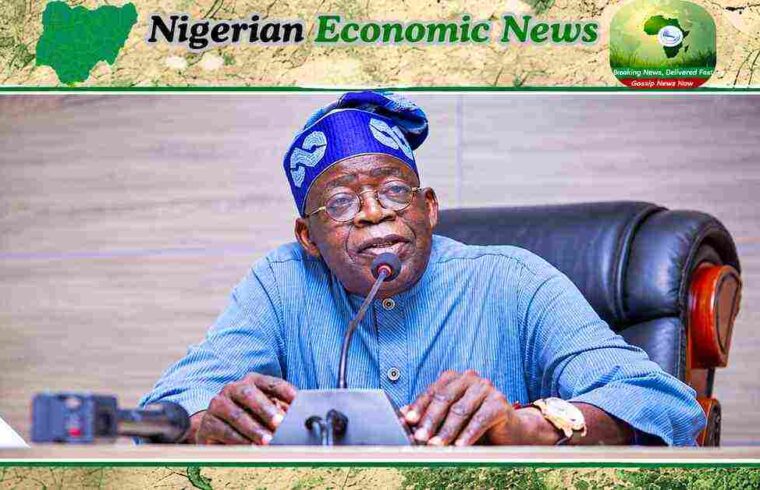
President Bola Tinubu has asked the National Assembly to approve a revised 2026 federal budget of ₦65.176 trillion, representing a reduction of ₦3.147 trillion from the ₦68.323 trillion originally approved.
The proposed adjustment would bring changes to the government’s spending provisions and formalise several existing financial commitments. However, the revised fiscal framework retains the projected budget deficit at ₦31.457 trillion, equivalent to 5.64 per cent of Gross Domestic Product (GDP).
The President submitted a bill seeking the repeal and re-enactment of the 2026 Appropriation Act, alongside a revised fiscal framework, to the House of Representatives.
Speaker of the House, Tajudeen Abbas, read the President’s letter to lawmakers on Tuesday. Tinubu explained that the proposed changes were intended to align the budget with the government’s existing obligations and the resources available to finance them.
Key Takeaways
- Tinubu has proposed reducing the 2026 federal budget from ₦68.323 trillion to ₦65.176 trillion.
- The proposed reduction amounts to ₦3.147 trillion, or approximately 4.6 per cent of the original budget.
- Projected federal revenue under the revised framework stands at ₦33.720 trillion.
- The budget deficit remains at ₦31.457 trillion, representing 5.64 per cent of GDP.
- Planned new borrowing remains unchanged at ₦29.218 trillion, comprising domestic and foreign loans.
- The proposed revision still requires legislative consideration and approval before it can take effect.
What Changes Under Tinubu’s Proposed ₦65.18 Trillion Budget?
The proposed budget reduction represents a significant adjustment to the federal government’s 2026 spending plan.
Under the revised fiscal framework, federal revenue, including earnings from government-owned enterprises, is projected at ₦33.720 trillion.
Despite the reduction in the proposed overall budget, the government has retained the deficit at ₦31.457 trillion, or 5.64 per cent of GDP.
The figures indicate that the proposed revision is not simply a reduction in spending accompanied by a corresponding reduction in the financing gap. The deficit remains a major part of the government’s fiscal plan.
The revised proposal therefore places attention on how existing obligations, projected revenue and planned borrowing will be managed within the adjusted budget.
Existing Government Commitments Take Priority in the Revision
A major reason for the proposed revision is the need to recognise financial commitments that the government says have already arisen or require formal provision in the 2026 budget.
In his letter to lawmakers, Tinubu said the revised framework would formalise certain expenditures undertaken by the Nigerian National Petroleum Company Limited (NNPCL) on behalf of the Federation.
The proposal would also make provision for debt-service payments that were not fully captured in the existing budget.
Other adjustments include capital warrants already issued, supplementary commitments and refunds due to ministries, departments and agencies (MDAs), as well as special accounts.
According to the President, most of the capital provisions for MDAs relate to funds that have already been released through warrants.
This means the proposed revision is intended, in part, to bring existing spending commitments into the formal budget framework rather than treat every provision as entirely new expenditure.
Road Projects and Agriculture Among Priority Interventions
Although the revision focuses substantially on existing obligations, Tinubu also disclosed that a limited number of new capital and overhead items had been included.
He described these additions as priority national interventions, with attention given to infrastructure, agricultural production and other areas considered important to the economy.
The proposed interventions include completing key road projects, protecting agricultural output, reducing production costs and improving crop yields.
The government also intends to support farmers through improved access to markets and address water shortages.
These priorities point to an effort to maintain selected development projects and productive-sector interventions while adjusting the wider spending framework.
However, the inclusion of these projects in the proposed budget should not be confused with confirmation that they have already been completed or that their intended economic benefits have been achieved.
Nigeria’s 2026 Borrowing Plan Remains at ₦29.218 Trillion
Another important feature of the revised fiscal framework is that planned new borrowing remains unchanged at ₦29.218 trillion.
The borrowing plan consists of:
- Domestic borrowing: ₦18.428 trillion.
- Foreign borrowing: ₦10.790 trillion.
The proposed foreign borrowing includes a $7.7 billion external loan, which the President valued at approximately ₦10.368 trillion using an exchange rate of ₦1,346.50 to the dollar.
Tinubu explained that the proposed external loan would finance the existing foreign borrowing provision in the budget. It would therefore not increase the total amount the government plans to borrow.
This distinction is important because the $7.7 billion loan is being presented as part of the existing foreign borrowing plan, rather than additional borrowing on top of the ₦29.218 trillion target.
The unchanged borrowing figure also means that the proposed reduction in the overall budget has not been accompanied by a reduction in the government’s stated new borrowing requirement.
Why the Government Wants the 2026 Budget Revised
Tinubu said the proposed adjustments were designed to place existing government commitments first, improve the credibility of the capital budget and support more effective implementation.
The revision is also intended to ensure that spending provisions reflect obligations that have already arisen, including debt-service payments and other commitments involving government institutions.
By incorporating these items into the revised budget, the administration is seeking to establish a spending framework that more accurately reflects the government’s financial responsibilities.
The President also said the changes would help keep expenditure under control.
Whether these objectives are achieved will depend on the eventual approval of the revised budget and how effectively the provisions are implemented.
What Happens Next to Tinubu’s Revised 2026 Budget?
The proposed repeal and re-enactment bill and the revised fiscal framework have been submitted to the National Assembly for consideration.
Tinubu has asked lawmakers to consider and pass the proposal quickly so that the revised budget can be implemented and outstanding obligations settled.
The National Assembly’s consideration is therefore the next major stage in the process. Until the necessary legislative approval is secured, the proposed ₦65.176 trillion figure remains a budget proposal rather than an enacted replacement for the existing Appropriation Act.
The outcome of the legislative process will determine whether the proposed adjustments become the framework guiding federal expenditure for the remainder of the 2026 budget period.
Nigeria’s Fiscal Direction Hinges on Implementation
Tinubu’s proposed reduction of the 2026 budget to ₦65.176 trillion represents a ₦3.147 trillion adjustment to the original spending plan.
However, the unchanged deficit and borrowing targets show that the revision involves more than simply reducing the size of government expenditure. It also seeks to account for existing obligations, previously issued capital warrants and selected priority interventions.
The key test will be whether the revised framework can align government spending with available resources, accommodate outstanding commitments and support effective implementation without placing additional pressure on public finances.
For now, the proposal awaits consideration by the National Assembly.
Frequently Asked Questions (FAQ)
1. What is the proposed size of Nigeria’s revised 2026 budget?
President Bola Tinubu has proposed a revised federal budget of ₦65.176 trillion, down from the original ₦68.323 trillion.
2. How much has Tinubu proposed reducing the 2026 budget by?
The proposed reduction is ₦3.147 trillion, representing approximately 4.6 per cent of the original budget.
3. What is Nigeria’s projected revenue under the revised 2026 fiscal framework?
The revised framework projects federal revenue, including earnings from government-owned enterprises, at ₦33.720 trillion.
4. Has the 2026 budget deficit been reduced?
No reduction is stated in the supplied proposal. The budget deficit remains projected at ₦31.457 trillion, equivalent to 5.64 per cent of GDP.
5. How much does the government plan to borrow in 2026?
The proposed new borrowing remains at ₦29.218 trillion, consisting of ₦18.428 trillion in domestic borrowing and ₦10.790 trillion in foreign borrowing.
6. What is the purpose of the proposed $7.7 billion external loan?
According to Tinubu’s letter, the proposed loan would finance the existing foreign borrowing provision in the budget and would not increase the government’s total planned borrowing.
7. What sectors are included in the proposed new priority interventions?
The proposed interventions include road construction and completion, agricultural production, lower production costs, improved crop yields, better market access for farmers and measures to address water shortages.
8. Has Nigeria’s revised 2026 budget been approved?
The supplied report states that the President submitted the bill and revised fiscal framework to the National Assembly for consideration. The proposed budget should not be described as approved until the legislative process is completed.