A new book on Nigeria’s 2023 presidential election has revealed how strategists working for President Bola Tinubu allegedly approached former Benue State Governor Samuel Ortom with a proposal to support Peter Obi rather than Atiku Abubakar.
According to journalist Simon Kolawole’s account, the strategy was designed to prevent Atiku from benefiting from Christian voters who were dissatisfied with the All Progressives Congress (APC) decision to field a Muslim-Muslim presidential ticket.
The revelation is contained in Winning Formula: The Inside Story of Nigeria’s 2023 Presidential Election, written by Kolawole, a journalist and founder of TheCable.
The account offers an explanation for Ortom’s political position ahead of the election and highlights how campaign strategists reportedly considered the potential movement of Christian votes in states outside the South-West.
Quick Takeaways
- Simon Kolawole’s book reveals an alleged strategy by Tinubu’s campaign team involving former Benue Governor Samuel Ortom.
- The reported objective was to prevent Atiku Abubakar from gaining an electoral advantage among Christian voters unhappy with the APC’s Muslim-Muslim ticket.
- Tinubu’s strategists allegedly encouraged Ortom to support Peter Obi instead of Atiku.
- Obi received 308,372 votes in Benue State in the 2023 presidential election, according to the figures cited in the report.
- Atiku polled 130,081 votes in the state in 2023, compared with 356,817 in the 2019 election.
- Kolawole argues that Atiku could have won Benue in 2023 if Obi’s votes had gone to him.
Background: The Political Challenge Created by the APC’s Muslim-Muslim Ticket
Tinubu’s decision to select former Borno State Governor Kashim Shettima as his running mate became one of the major political controversies surrounding the APC’s 2023 presidential campaign.
Both Tinubu and Shettima are Muslims, a decision that generated criticism and dissatisfaction among some Christian voters.
The political implications of the arrangement were particularly significant in states with substantial Christian populations, especially outside the South-West, where Tinubu enjoyed considerable political support.
Atiku Abubakar, the Peoples Democratic Party (PDP) presidential candidate, had selected Ifeanyi Okowa, a Christian, as his running mate. Peter Obi, who contested under the Labour Party, was also a potential beneficiary of Christian voters’ dissatisfaction with the APC ticket.
According to Kolawole’s account, Tinubu’s strategists were concerned that Atiku could benefit from the situation if Christian voters who opposed the APC ticket decided to support him.
The Strategy Involving Samuel Ortom
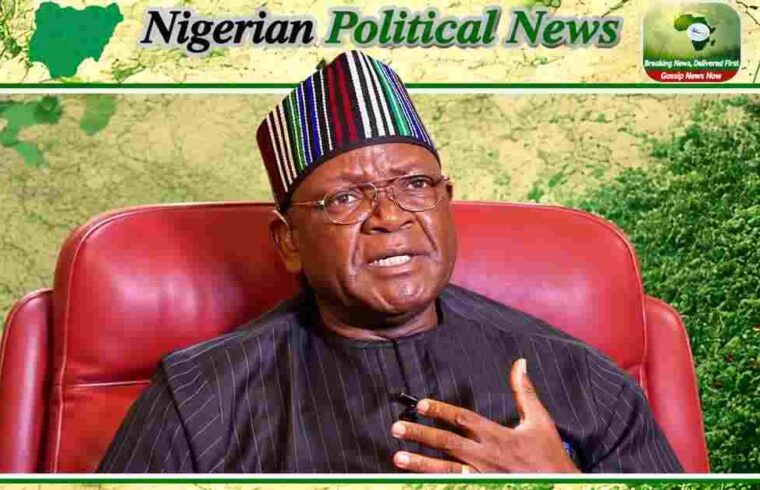
The book describes how Tinubu’s camp reportedly considered Samuel Ortom’s political influence in Benue State as an important factor in addressing the challenge.
Ortom, who governed a largely Christian state, was identified as someone whose political position could influence the distribution of votes during the presidential election.
According to Kolawole, Tinubu’s strategists proposed that the former governor should support Obi rather than Atiku.
The reported calculation was that Obi’s candidacy could attract a significant share of Christian voters who might otherwise have supported the PDP presidential candidate.
This would potentially limit Atiku’s ability to benefit from opposition to the APC’s Muslim-Muslim ticket.
Kolawole’s account also suggests that what some observers interpreted as Ortom remaining politically undecided before the election was, in fact, connected to the reported strategy.
The book presents the development as part of the wider calculations made by Tinubu’s campaign team to manage the electoral consequences of its vice-presidential choice.
Key Players in the Reported 2023 Election Strategy
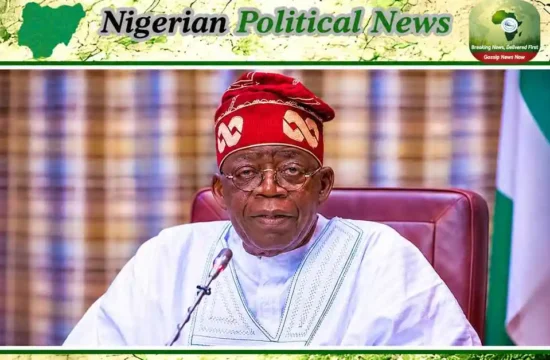
Bola Tinubu: The APC presidential candidate in the 2023 election. His choice of Kashim Shettima as running mate became a major issue in the campaign.
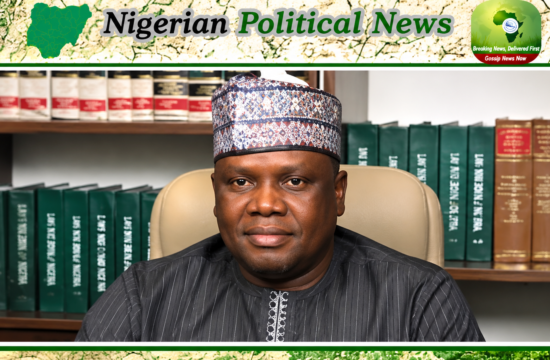
Samuel Ortom: The former Benue State governor whom Tinubu’s strategists allegedly approached to support Peter Obi.
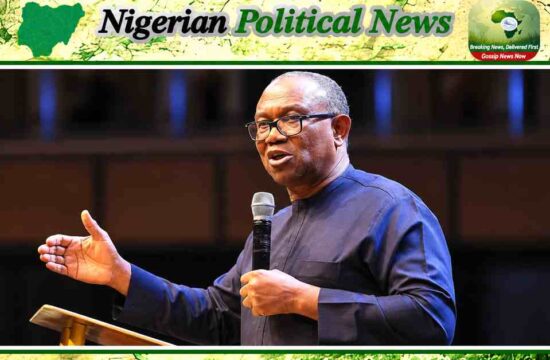
Peter Obi: The Labour Party presidential candidate whose support in Benue was central to the reported strategy.
Atiku Abubakar: The PDP presidential candidate who, according to the book’s account, was the candidate Tinubu’s strategists wanted to prevent from benefiting from Christian voters’ dissatisfaction.
Kashim Shettima: Tinubu’s running mate, whose selection contributed to the controversy surrounding the APC’s Muslim-Muslim ticket.
Ifeanyi Okowa: Atiku’s running mate, who was a Christian.
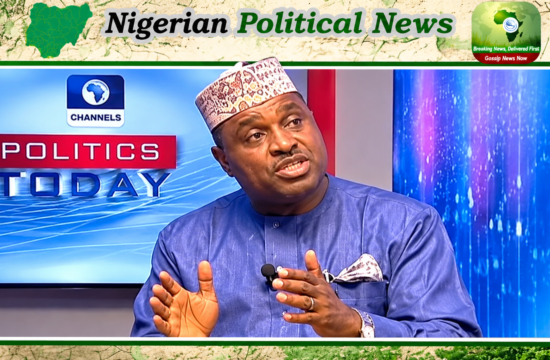
Simon Kolawole: The journalist and author of Winning Formula: The Inside Story of Nigeria’s 2023 Presidential Election, which contains the account of the alleged campaign strategy.
Numbers to Know: How the Candidates Performed in Benue
The voting figures cited in the report provide an important part of the explanation behind Kolawole’s argument.
Peter Obi finished ahead of Atiku in Benue State during the 2023 presidential election, while Tinubu secured the highest number of votes.
The reported figures are:
| Candidate | 2023 Benue votes |
|---|---|
| Peter Obi | 308,372 |
| Atiku Abubakar | 130,081 |
The historical comparison is also significant. Atiku received 356,817 votes in Benue during the 2019 presidential election.
His 2023 total of 130,081 was substantially lower than his previous performance in the state.
Kolawole uses this comparison to support his argument that Obi’s performance affected Atiku’s ability to secure the Benue vote.
Key Quotes
The supplied report does not contain any direct quotations from Simon Kolawole, his book, or the political figures mentioned.
For that reason, no verbatim quotation blocks have been inserted in this section. The book’s claims and interpretations are presented as attributed paraphrases throughout the article rather than being converted into invented quotations.
Editorial Analysis: Why the Reported Strategy Mattered
The reported approach to Ortom illustrates the importance of electoral calculations beyond a candidate’s traditional political strongholds.
Tinubu’s choice of Shettima created a political challenge that his strategists reportedly believed could affect the APC’s performance among Christian voters in different parts of the country.
The account suggests that the campaign team considered how opposition to the Muslim-Muslim ticket might translate into votes for Atiku, particularly in states where Christian voters represented an important electoral constituency.
Encouraging support for Obi rather than Atiku would, in the strategy described by Kolawole, potentially divide that opposition vote between two rival candidates.
The Benue figures provide an important context for understanding the argument. Obi received 308,372 votes, while Atiku secured 130,081. The comparison with Atiku’s 356,817 votes in 2019 further highlights the scale of the change in his performance in the state.
However, the suggestion that Atiku would have won Benue if Obi’s votes had gone to him remains Kolawole’s interpretation of a hypothetical electoral outcome. The figures alone do not establish how those voters would have behaved if Obi had not contested.
Nevertheless, the account offers an insight into how political campaigns may consider regional influence, voter sentiment and the possibility of splitting opposition support when developing electoral strategies.
Final Editorial Wrap-Up
The account in Simon Kolawole’s Winning Formula provides a revealing perspective on the political calculations surrounding Nigeria’s 2023 presidential election.
Its central claim is that Tinubu’s strategists allegedly saw Samuel Ortom’s position in Benue as an opportunity to limit Atiku Abubakar’s potential gains among Christian voters by encouraging support for Peter Obi.
The reported voting figures give additional context to the author’s argument, particularly when Obi’s 2023 performance is compared with Atiku’s previous result in the state.
While the book’s interpretation of what might have happened under a different voting arrangement remains a counterfactual argument, the revelation highlights the importance of regional political relationships and voter distribution in Nigeria’s presidential campaigns.