Three political parties have agreed to align their political forces ahead of the 2027 general election as they seek to present Nigerians with a joint democratic alternative.
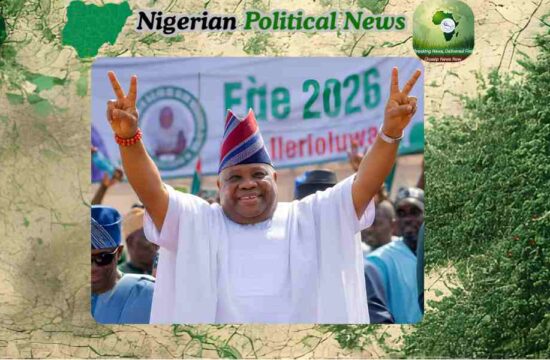
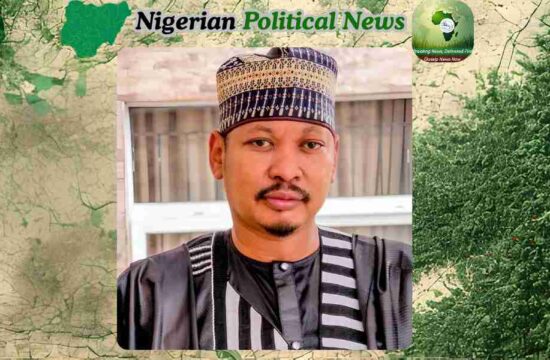
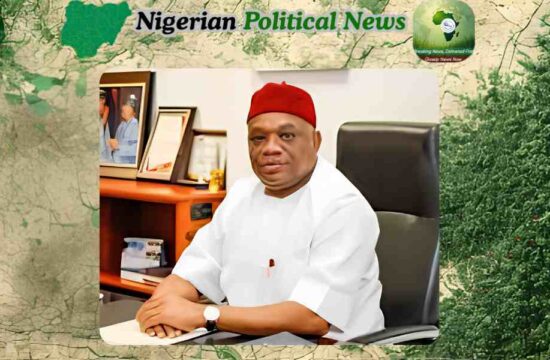
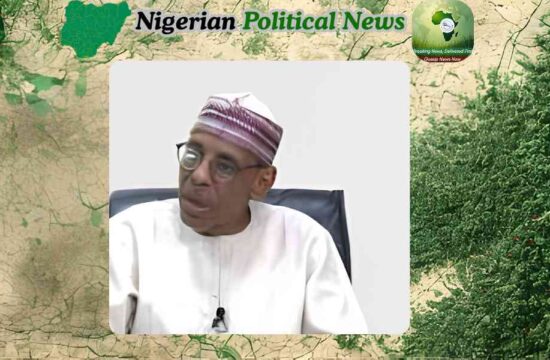
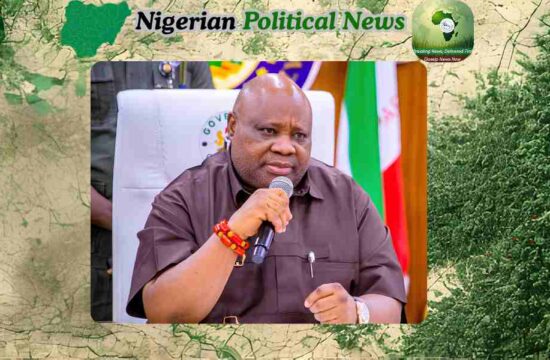
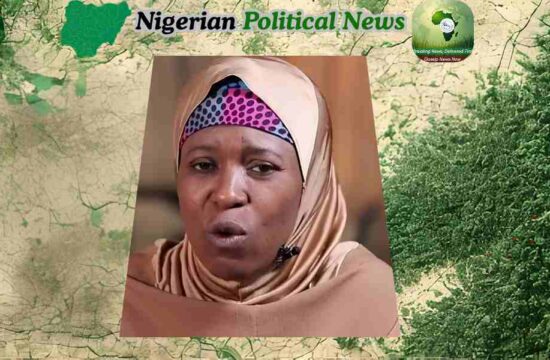
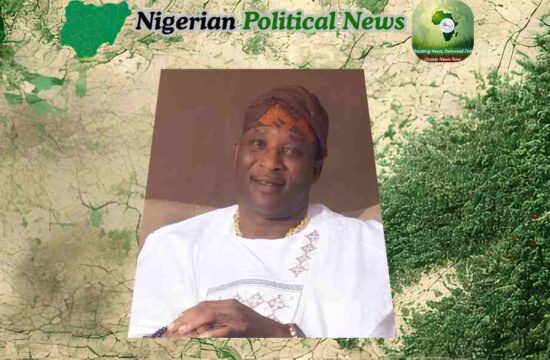
The parties are the Accord Party, African Action Congress (AAC) and Social Democratic Party (SDP), whose presidential candidates — Gbenga Olawepo-Hashim, Omoyele Sowore and Adewole Adebayo respectively — reached the agreement after a meeting in Port Harcourt.
The development comes as political parties and their candidates begin consultations and positioning ahead of the 2027 election.
Parties Agree To Work Together
The three presidential candidates met in Port Harcourt during the weekend to deliberate on issues concerning Nigeria’s democracy, economy and security.
According to a statement made available to journalists by the Accord Party Media Office, the meeting resulted in an agreement to align their political forces towards presenting Nigerians with a joint alternative in the 2027 election.
The parties said the proposed alliance was intended to promote democratic accountability, economic justice, security, institutional reform, social inclusion and national development.
“The Ballot Belongs To The People”
The parties said the 2027 election should provide Nigerians with a genuine choice over the country’s future rather than what they described as a predetermined political outcome.
They stated: “The 2027 election must be a genuine contest over Nigeria’s future, rather than a predetermined political coronation. Nigeria belongs to its people. Political power belongs to the people. The ballot belongs to the people.”
They also declared that Nigeria’s multi-party democracy must be preserved and that no individual, political party, security agency, electoral official or institution should be above the Nigerian Constitution.
Alliance To Focus On Broader Political Consultation
The proposed alliance is not yet a fully defined electoral arrangement.
The three candidates resolved to continue consultations with other presidential candidates and political parties, as well as organised labour, civil society organisations, professional associations, youth and women’s groups.
They also listed traditional institutions and religious bodies among the groups with which further discussions would be held.
The consultations are expected to help determine the eventual structure and working arrangements of the proposed alliance.
What The Alliance Means Ahead Of 2027
The agreement represents an attempt by the three parties to move towards greater coordination rather than contesting the 2027 election entirely as separate political forces.
By proposing a joint democratic alternative, the parties are seeking to bring together their political interests around issues including governance, economic policy, security and institutional reform.
However, the development does not yet establish a single presidential candidate or a fully settled coalition structure.
The parties themselves said further consultations would determine the structure, modalities and presidential candidate of the proposed alliance.
This means the eventual political significance of the arrangement will depend largely on the outcome of those consultations and whether additional political and civic groups join the process.
Movement For Democratic Renewal Emerges
The development comes alongside the launch of the Movement for Democratic Renewal (MDR) for the South-South and South-East zones.
Speakers at the launch called for unity of purpose and urged Nigerians to work towards rescuing the country.
However, the available information does not establish that the MDR is formally part of the three-party alliance involving Accord, AAC and SDP.
Further Talks To Determine Next Step
For now, the three parties have agreed to continue consultations as they work towards developing a joint political alternative ahead of the 2027 election.
The next stage will focus on determining the structure and modalities of the proposed alliance and deciding who will emerge as its presidential candidate.
The outcome of those discussions will determine whether the agreement develops into a broader electoral coalition capable of bringing together additional political parties and stakeholders.