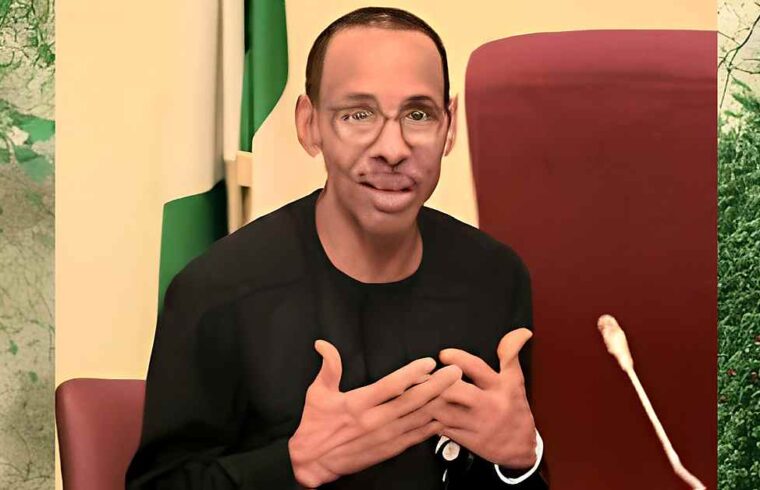
The National Chairman of the Peoples Redemption Party (PRP), Hakeem Baba-Ahmed, has alleged that former President Goodluck Jonathan’s administration missed an opportunity to prevent the Boko Haram insurgency from escalating after failing to act on four conditions presented by the group during negotiations.
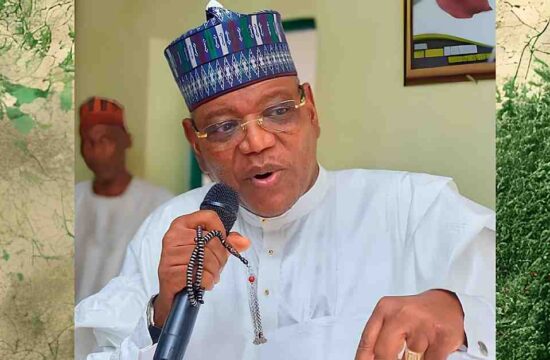
Baba-Ahmed, who said he served on a committee that engaged with Boko Haram representatives, made the disclosure during an interview with Trust TV.
He claimed that the committee spent approximately two years holding discussions with individuals he identified as close associates and lieutenants of the group’s founder, Mohammed Yusuf, but the demands raised during the engagement were not adequately addressed by the government.
According to him, the failure to resolve the issues contributed to the escalation of a security crisis that has devastated communities across Nigeria’s North-East for more than a decade.
Quick Takeaways
-
Hakeem Baba-Ahmed says a committee he served on spent approximately two years engaging Boko Haram representatives.
-
He identified four conditions presented during the negotiations, including the prosecution of officers allegedly involved in Mohammed Yusuf’s death.
-
The other demands concerned the reconstruction of Yusuf’s residence, alleged harassment of members’ families and freedom to practise and preach.
-
Baba-Ahmed claimed the demands had been communicated to former President Goodluck Jonathan before the committee’s engagement.
-
He alleged that the Jonathan administration failed to take the necessary steps to resolve the issues.
-
He blamed government incompetence, indifference and corruption for the failure to reach an agreement before Jonathan left office in 2015.
Baba-Ahmed Recounts Two Years of Boko Haram Negotiations
Speaking about his involvement in the negotiations, Baba-Ahmed said the committee spent about two years engaging with Boko Haram members and individuals he described as close associates and lieutenants of Mohammed Yusuf.
He explained that the meetings took place in several locations, including Abuja, the Sambisa Forest, Maiduguri and outside Nigeria.
According to him, the engagements provided an opportunity to understand the grievances being raised by the group’s representatives and potentially prevent the conflict from developing into the prolonged insurgency that followed.
Reflecting on the committee’s work, Baba-Ahmed said:
“We worked for two years, and we did excellent work. We engaged with both the real Boko Haram, the lieutenants of Mohammed Yusuf, and it allowed us to see just how easily we could have nipped this in the bud,”
He maintained that the committee identified four major demands that were repeatedly presented during the discussions.
The Four Conditions Boko Haram Presented During Negotiations
Baba-Ahmed identified four conditions that he said were consistently raised by the group’s representatives during the committee’s engagement.
1. Prosecution of Officers Allegedly Involved in Mohammed Yusuf’s Death
The first demand concerned the prosecution of police officers allegedly responsible for the death of Boko Haram founder Mohammed Yusuf.
Yusuf was arrested alive by soldiers during the July 2009 uprising in Maiduguri before being handed over to the police, where he was subsequently killed in custody.
His death became one of the defining events in the history of the Boko Haram insurgency.
The killing followed days of violent confrontations between the group and security forces, which reportedly left more than 800 people dead across several northern states.
According to Baba-Ahmed, the group’s representatives wanted those responsible for Yusuf’s death to be brought to justice.
He also said some of the officers allegedly involved were detained at Kuje Correctional Centre in Abuja for several years.
The demand, as he described it, centred on accountability for Yusuf’s death and the prosecution of those believed to have been responsible.
2. Reconstruction of Mohammed Yusuf’s Demolished Residence
The second condition concerned Mohammed Yusuf’s former residence in Maiduguri.
Baba-Ahmed said the group’s representatives demanded that the property, which was demolished following Yusuf’s death, should be reconstructed.
He explained that the destruction of the residence and its subsequent conversion into a public toilet reportedly deepened resentment among the group’s members.
According to his account, the representatives considered the treatment of the property another grievance that the government needed to address during the negotiations.
3. An End to the Arrest and Harassment of Wives and Children
The third demand concerned the alleged arrest, detention and mistreatment of family members of suspected Boko Haram members during security operations.
Baba-Ahmed said the group’s representatives complained that security personnel sometimes arrested wives and children when they could not find the suspects they were searching for.
He recalled their complaint:
“They said, stop arresting our wives and children when you go looking for us when we’re not there, and you detain them, and you move them around, and you abuse them. Stop it,”
The demand, as presented during the negotiations, was that security personnel should stop targeting family members who were not the individuals being sought during operations.
The allegation highlights one of the grievances Baba-Ahmed said the committee encountered during its engagement with the group’s representatives.
4. Freedom to Practise Religious Beliefs and Preach
The fourth condition concerned the group’s demand to practise its religious beliefs and preach without interference.
According to Baba-Ahmed, the representatives insisted that they did not want to wage war against Nigeria and wanted to be allowed to practise their beliefs.
He recalled their statement:
“We don’t want to fight Nigeria. We are just ordinary clerics. Leave us alone.”
The representatives also reportedly said they would be willing to relocate if the authorities wanted them to leave their existing location, but maintained that they considered themselves citizens entitled to practise their religion.
Baba-Ahmed quoted them as saying:
“We will move out of here. If you want us to go, we will move. But we are free citizens of this country. We just want to preach.”
These statements reflect the position Baba-Ahmed attributed to the representatives during the negotiations. They should be understood as their reported claims, rather than independent verification of the group’s intentions or activities.
How the Four Demands Were Allegedly Communicated to Jonathan
Baba-Ahmed maintained that the four conditions had already been communicated to former President Goodluck Jonathan before his committee began engaging with Boko Haram representatives.
He also recalled that former President Olusegun Obasanjo had met with representatives of the group and subsequently conveyed their demands to Jonathan.
According to Baba-Ahmed, the committee later discovered that the group’s representatives were still presenting the same conditions during their discussions.
He argued that this suggested little progress had been made in addressing the grievances before the negotiations took place.
The PRP chairman consequently questioned why the government had failed to take the necessary steps despite the opportunity to address the issues.
Baba-Ahmed Blames Jonathan Administration for Failure to Reach Agreement
Baba-Ahmed alleged that the Jonathan administration failed to respond adequately to the conditions raised during the negotiations.
He blamed what he described as government incompetence, indifference and corruption for the failure to reach an agreement before Jonathan left office in 2015.
In his assessment, addressing the demands could have helped prevent the insurgency from developing into the prolonged security crisis that followed.
However, the supplied interview report does not include a response from Jonathan or officials of his former administration to Baba-Ahmed’s allegations.
It also does not establish whether all four conditions were formally accepted by the government, whether negotiations reached a final agreement or what specific government actions were taken in response to each demand.
Political and Security Implications of the Alleged Failed Negotiations
Baba-Ahmed’s account raises questions about the role of dialogue, government accountability and the handling of grievances during the early years of the Boko Haram crisis.
His claim is that the committee’s engagement offered an opportunity to understand some of the issues being raised by the group’s representatives before the insurgency escalated further.
The four conditions he identified covered several areas, including accountability for Mohammed Yusuf’s death, the treatment of family members during security operations and the group’s demands concerning religious practice.
His account also places attention on the relationship between government responses to security grievances and efforts to prevent prolonged violence.
Nevertheless, the claim that acting on the four conditions would have prevented the insurgency from escalating remains Baba-Ahmed’s assessment. The supplied report does not independently establish that accepting the demands would necessarily have brought the conflict to an end.
Final Editorial Wrap-Up
Hakeem Baba-Ahmed has alleged that the Jonathan administration failed to act on four conditions presented by Boko Haram representatives during negotiations involving a committee he served on.
The demands, according to his account, concerned the prosecution of officers allegedly involved in Mohammed Yusuf’s death, reconstruction of Yusuf’s residence, an end to the alleged harassment of members’ families and freedom to practise and preach.
Baba-Ahmed believes that the government’s failure to address the issues contributed to the escalation of the insurgency.
His account has renewed attention on the early handling of the Boko Haram crisis and the role that negotiations and government responses may have played in the conflict’s development.
Frequently Asked Questions (FAQ)
1. Who revealed the four conditions Boko Haram presented to Jonathan?
Hakeem Baba-Ahmed, National Chairman of the Peoples Redemption Party, disclosed the conditions during an interview with Trust TV. He said he served on a committee that engaged with Boko Haram representatives.
2. What were the four conditions Boko Haram presented?
According to Baba-Ahmed, the four conditions were:
-
Prosecution of police officers allegedly involved in Mohammed Yusuf’s death.
-
Reconstruction of Yusuf’s demolished residence in Maiduguri.
-
An end to the alleged arrest and harassment of wives and children of suspected members.
-
Freedom to practise religious beliefs and preach without interference.
3. Who was Mohammed Yusuf?
Mohammed Yusuf was the founder of Boko Haram. He was arrested during the July 2009 uprising and subsequently killed in police custody after being handed over to the police.
4. How long did Baba-Ahmed’s committee engage with Boko Haram representatives?
Baba-Ahmed said the committee spent approximately two years engaging with the group’s members and individuals he identified as close associates and lieutenants of Mohammed Yusuf.
5. Where did the negotiations take place?
According to Baba-Ahmed, the committee held meetings in Abuja, the Sambisa Forest, Maiduguri and outside Nigeria.
6. Did former President Obasanjo communicate the demands to Jonathan?
Baba-Ahmed claimed that Obasanjo had met with Boko Haram representatives and subsequently conveyed their demands to Jonathan.
7. What did Baba-Ahmed blame for the failure to reach an agreement?
He blamed what he described as incompetence, indifference and corruption within the government for the failure to secure an agreement before Jonathan left office in 2015.
8. Did Goodluck Jonathan respond to the allegations?
The supplied report does not include a response from Jonathan or his former administration.