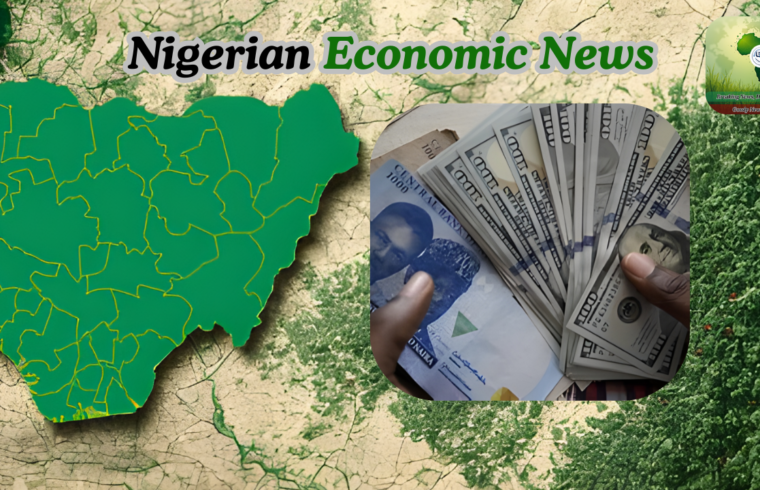
The value of the naira against the United States dollar continues to remain a major talking point among Nigerians monitoring the foreign exchange market.
Many businesses, importers, travelers, and traders are closely following movements within both the official and parallel forex markets as exchange rates continue fluctuating daily.
Current Black Market Dollar To Naira Rate
Fresh updates from the Lagos parallel market, popularly known as the black market or Aboki FX market, show that the dollar is currently trading at higher rates compared to the official banking window.
Market sources and Bureau De Change operators revealed that the United States dollar is being bought at around ₦1,440 and sold at approximately ₦1,460.
However, exchange rates may still vary slightly depending on negotiation, location, and transaction volume.
Parallel Market Still Dominates Public Attention
Despite repeated warnings from financial authorities, many Nigerians continue relying on the unofficial forex market for easier access to foreign currency.
The black market remains highly active because several individuals and businesses struggle to access foreign exchange through official banking channels.
Gossip News Now reports that daily fluctuations within the parallel market continue influencing prices of imported goods and services nationwide.
CBN Official Dollar To Naira Rates
While the black market records higher exchange figures, the official rates published by the Central Bank of Nigeria (CBN) remain significantly lower.
Available figures from the official market show the dollar trading within the following range:
Official CBN Exchange Window
- Highest Rate: ₦1,365 per dollar
- Lowest Rate: ₦1,348 per dollar
The difference between official and parallel market rates continues reflecting ongoing pressure within Nigeria’s foreign exchange sector.
CBN Maintains Position On Forex Transactions
The Central Bank of Nigeria has repeatedly stated that the parallel market is not officially recognized for forex transactions.
The apex bank continues encouraging Nigerians seeking foreign currency to use licensed commercial banks and approved financial institutions.
Authorities have also warned against speculative activities capable of destabilizing the naira further.
Factors Affecting Dollar To Naira Rates
Several economic factors continue influencing the exchange rate between the naira and the US dollar.
These include:
- Foreign exchange demand
- Oil revenue performance
- Import dependence
- Inflationary pressure
- Investor confidence
- Global market conditions
Currency analysts say instability within any of these areas can quickly impact exchange rates across both official and unofficial markets.
Why Nigerians Closely Monitor Forex Prices
The dollar-to-naira exchange rate plays a major role in determining prices of goods and services across Nigeria.
Importers often adjust prices based on forex availability and exchange costs, while manufacturers relying on imported raw materials are also affected by currency fluctuations.
For ordinary Nigerians, changes in forex rates can influence transportation costs, electronics prices, food inflation, school fees abroad, and international transactions.
Exchange Rates May Still Change During The Day
Forex dealers have also explained that exchange rates can shift several times within a single trading day depending on supply and market demand.
As a result, the actual amount buyers or sellers receive may differ slightly from publicly quoted figures.
Commentary And Analysis
The persistent gap between official and black market exchange rates continues highlighting deeper challenges within Nigeria’s foreign exchange system.
Although authorities are working toward stabilizing the naira, strong demand for dollars and pressure on forex supply remain key concerns for businesses and consumers alike.
Economic observers believe sustained reforms, improved dollar liquidity, and stronger investor confidence may eventually help narrow the widening gap between both markets.