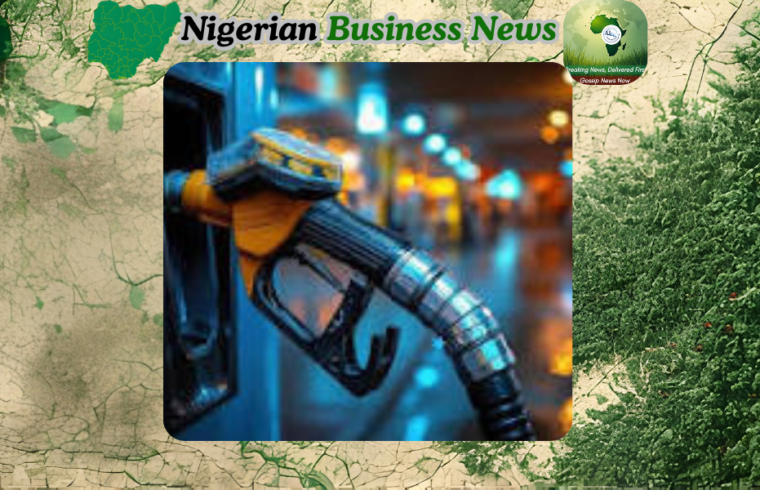
The ongoing conversation surrounding Nigeria’s fuel supply strategy has taken a new turn, with industry stakeholders strongly opposing recent suggestions encouraging the importation of petrol. The development has sparked intense reactions across the energy sector, as many argue that such a move could weaken domestic refining efforts and slow economic progress.
At the centre of the debate is the position initially attributed to the World Bank, which suggested that importing petrol could be more cost-effective for Nigeria. However, this recommendation was later clarified, with the institution explaining that its broader goal focused on economic reforms and social protection measures rather than a strict push for fuel importation.
Rising Concerns Over External Dependence
Energy analysts have expressed strong reservations about relying on imported fuel, especially in a period marked by global uncertainty. With geopolitical tensions involving Iran, the United States, and Israel affecting international supply chains, experts warn that Nigeria could expose itself to unnecessary risks by increasing dependence on foreign markets.
In their view, prioritising imports during such volatile times could lead to unstable pricing and supply disruptions, ultimately affecting consumers and businesses nationwide.
Diverging Industry Opinions
While a majority of stakeholders have rejected the importation proposal, opinions within the sector are not entirely unified. Some groups believe opening up the market could improve competition and efficiency. However, others maintain that such an approach conflicts with national economic priorities.
Gossip News Now reports that the disagreement reflects deeper concerns about balancing market liberalisation with the need to protect local investments.
Strong Push for Domestic Refining
Prominent voices in the industry have called for increased support for local refining initiatives, particularly the Dangote Refinery, which is seen as a major milestone in Nigeria’s energy landscape. Stakeholders argue that strengthening domestic production capacity will not only stabilise supply but also create jobs and boost economic growth.
According to key industry figures, locally refined petrol offers better quality and more competitive pricing compared to imported alternatives. This has further reinforced calls to prioritise homegrown solutions.
Expert Perspective on Policy Direction
Some analysts have also questioned the influence of international financial institutions on Nigeria’s internal policy decisions. They argue that excessive reliance on external advice could limit the country’s ability to develop tailored solutions for its unique economic challenges.
One expert pointed out that Nigeria should focus on building a flexible fuel system capable of meeting diverse consumer needs, rather than depending heavily on imports.
Pricing Insights and Market Reality
Recent market data suggests that petrol produced locally is already competitive. Products from the Dangote Refinery are reportedly sold at around ₦1,200 per litre, with slight variations at depot levels. This pricing trend has been cited as evidence that domestic refining can effectively compete with imported fuel.
What This Means for Nigeria’s Energy Future
The current debate highlights a critical crossroads for Nigeria’s energy sector. On one hand, opening up imports may encourage competition; on the other, it risks undermining significant investments in local refining infrastructure.
A stronger focus on domestic production could help the country achieve long-term energy security, reduce exposure to global market shocks, and maximise the value of its abundant crude oil resources.
Final Analysis
Ultimately, the direction Nigeria chooses will have far-reaching implications for its economy. Supporting local refineries appears to align more closely with sustainable growth objectives, while excessive reliance on imports could create vulnerabilities.
The conversation is far from over, but one thing remains clear: the future of Nigeria’s fuel market will depend heavily on policies that balance efficiency, independence, and economic resilience.
© 2025 Gossip News Now, a division of CHIEJOS HARBIAN DIGITAL MEDIA LTD. Contact us via admin@gossipnewsnow.online