Key takeaways
-
Approximately 45 traders were affected by the Gwagwalada International Market fire.
-
The incident destroyed 30 shops, comprising 28 open stalls and two lock-up shops.
-
One trader, Salome Israel, reported losing goods worth approximately ₦400,000.
-
The fire reportedly started around 7 p.m. last Saturday, but its cause remains undetermined.
-
FEMD and NEMA officials assessed the damage and the needs of affected traders.
-
NEMA said possible disaster assistance could include food and building materials, subject to assessment and headquarters approval.
-
FEMD urged traders to improve fire safety, insure their businesses and ensure adequate firefighting equipment is available.
A fire outbreak at the Gwagwalada International Market in the Federal Capital Territory (FCT) has affected approximately 45 traders and destroyed 30 shops, leaving business owners with losses after the incident.
The Federal Capital Territory Emergency Management Department (FEMD) disclosed the extent of the damage on November 16 following an assessment of the affected market area by its Director, Muhammad Dikko, and officials of the National Emergency Management Agency (NEMA).
The destroyed structures comprised 28 open stalls and two lock-up shops. Traders also lost goods, including clothing, herbal medicines, beverages and food items, while emergency officials assessed the immediate needs of those affected.
Traders Count Losses After Gwagwalada Market Fire
The fire destroyed goods belonging to several traders, with the affected items spanning different categories of merchandise sold at the market.
Among the victims was Salome Israel, who reported losing goods valued at approximately ₦400,000. Her losses included yams, tomatoes and peppers.
The damage has left affected traders facing the immediate challenge of dealing with destroyed merchandise and disrupted business activities.
With 45 traders reportedly affected, the incident has raised concerns about the financial consequences for market businesses and the support available to help them recover.
How the Fire Started at Gwagwalada International Market
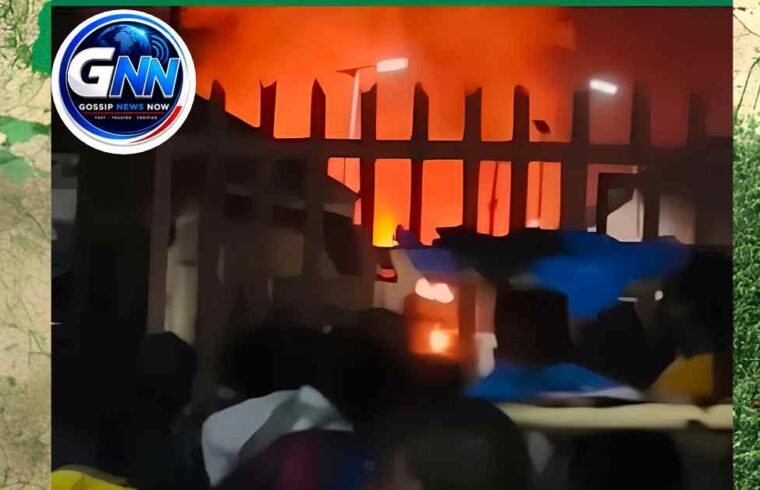
The fire reportedly broke out at approximately 7 p.m. last Saturday, with eyewitness footage showing flames spreading through parts of the market.
Although the exact cause of the outbreak has not been established, the Chairman of the Market Association, Aminu Lawal Bakinruwa, provided an account of what security personnel reportedly observed before the incident was discovered.
According to Bakinruwa, security personnel noticed smoke coming from one of the shops about 20 minutes after electricity supply was restored by the Abuja Electricity Distribution Company (AEDC).
However, the timing of the electricity restoration has not been established as the cause of the fire. The incident’s actual cause remains undetermined.
FEMD and NEMA Assess Damage at the Market
Following the outbreak, FEMD Director Muhammad Dikko visited the affected area alongside officials of NEMA to assess the damage and identify the needs of the affected traders.
The assessment was aimed at determining the extent of the destruction and the immediate requirements of those whose businesses were affected.
FEMD’s Relief and Rehabilitation Division also conducted a needs assessment to establish the support required by the traders.
The findings are expected to help determine the nature of assistance that may be required as the affected business owners deal with the consequences of the incident.
What Assistance Can Affected Traders Receive?
NEMA representative Mariam Dantanko explained that the agency’s disaster assistance is primarily provided through relief materials rather than direct cash payments.
She identified possible forms of assistance, including food and building materials, while explaining that the support would depend on the findings of the assessment and approval from the agency’s headquarters.
This means that the affected traders should not automatically expect direct financial compensation from NEMA. Any assistance will be subject to the agency’s assessment and approval procedures.
The needs assessment conducted by FEMD’s Relief and Rehabilitation Division is also expected to provide information about the immediate requirements of the victims.
FEMD Director Recommends Improved Fire Safety Measures
Beyond assessing the damage, Dikko urged traders to adopt better fire-safety practices to reduce the risk of similar incidents.
He advised market operators to switch off electrical appliances before leaving their shops, stressing the importance of taking precautionary measures when closing their businesses.
The FEMD director also encouraged traders to insure their businesses against disasters to help minimise financial losses when unexpected incidents occur.
He further called for adequate firefighting equipment to be provided at the market so that emergencies can be addressed more quickly.
Market Leaders Urged to Support Affected Traders
Dikko appealed to the Market Board of Trustees and leaders of the traders’ union to support those affected by the fire.
The appeal comes as the affected business owners face the challenge of dealing with damaged shops, destroyed goods and the interruption of their trading activities.
Support from market authorities and relevant stakeholders could help identify the immediate needs of the victims and coordinate assistance during the recovery process.
The incident has also highlighted the importance of ensuring that markets have adequate emergency-response facilities capable of limiting damage when fires occur.
Preventing Another Fire Outbreak at Gwagwalada Market
FEMD urged market authorities to conduct regular inspections of electrical installations and strengthen fire-safety awareness among traders.
The department also emphasised the need for functional firefighting equipment to be available within the market to improve emergency response.
Regular electrical checks, proper handling of electrical appliances and greater awareness of fire hazards could help reduce the risks associated with market operations.
For the affected traders, however, the immediate priority remains addressing their losses and securing the assistance required to resume business activities.
The Gwagwalada market incident demonstrates the potential consequences of fire outbreaks for small businesses and traders who depend on daily commercial activities for their livelihoods. Ensuring adequate emergency equipment, preventive inspections and coordinated recovery support will be important in reducing the impact of similar incidents in the future.
Frequently asked questions (FAQ)
1. How many traders were affected by the Gwagwalada market fire?
Approximately 45 traders were affected by the fire outbreak at Gwagwalada International Market.
2. How many shops were destroyed?
A total of 30 shops were destroyed, including 28 open stalls and two lock-up shops.
3. What was the estimated loss reported by one of the traders?
Salome Israel reported losing goods worth approximately ₦400,000, including yams, tomatoes and peppers.
4. What caused the Gwagwalada market fire?
The cause has not been determined. The market association chairman reported that security personnel noticed smoke about 20 minutes after electricity supply was restored, but this does not establish that the power restoration caused the fire.
5. Will NEMA provide cash compensation to affected traders?
NEMA representative Mariam Dantanko said the agency primarily provides disaster assistance through relief materials rather than direct cash payments. Any support is subject to assessment and approval.
6. What fire-prevention measures has FEMD recommended?
FEMD advised traders to switch off electrical appliances before leaving their shops, insure their businesses, inspect electrical installations regularly and ensure functional firefighting equipment is available.