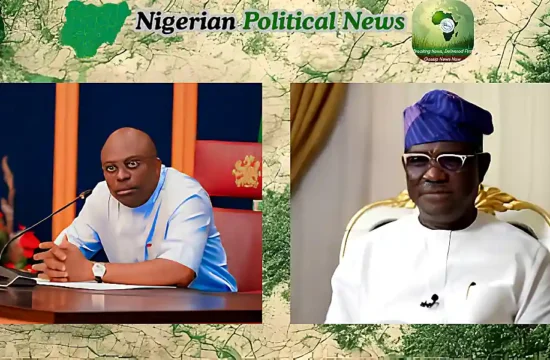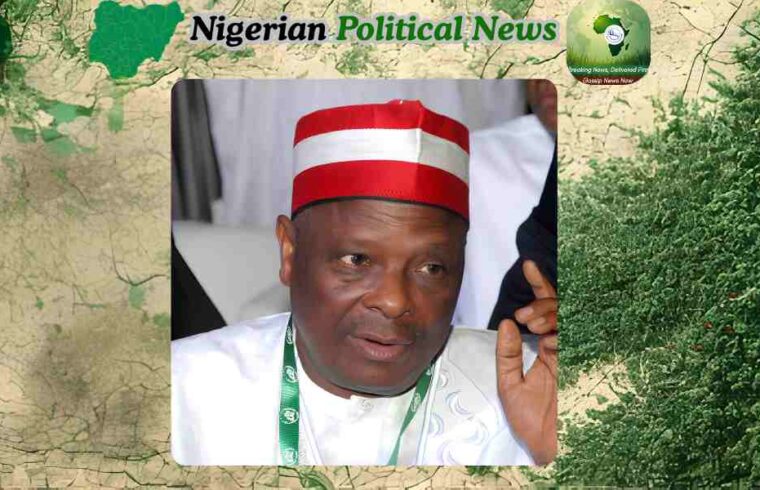
Rabiu Kwankwaso has rejected comments by Islamic cleric, Sheikh Sani Yahaya Jingir, in support of continued Muslim-Muslim presidential tickets ahead of the 2027 general elections.
Kwankwaso, the 2027 Vice Presidential candidate of the Nigeria Democratic Congress (NDC) and former Kano State Governor, described the remarks as troubling and warned against statements capable of promoting division and disunity in the country.
What Happened?
Jingir had advocated the continued use of Muslim-Muslim presidential tickets ahead of the 2027 election, suggesting that such an arrangement was necessary to demonstrate that Muslims are more than Christians in Nigeria.
The cleric made the remarks at an event in Kano attended by some All Progressives Congress (APC) governors, including Kano State Governor Abba Yusuf and his Jigawa State counterpart, Umar Namadi.
A video of the event was circulated on Sunday, drawing attention to Jingir’s comments and prompting a reaction from Kwankwaso.
Different Positions
Jingir’s comments centred on maintaining Muslim-Muslim presidential tickets in future elections, with his argument framed around the religious composition of the country.
Kwankwaso, however, took a different position, describing the remarks as divisive and arguing that political and religious leaders should avoid statements capable of undermining national unity.
The former governor also rejected the suggestion that Jingir’s position represented the views of people in Kano.
What Kwankwaso Said
Kwankwaso said he was particularly concerned that the comments came from a religious leader with Jingir’s level of influence.
He said:
“At this critical moment in our nation’s history, statements that promote division and disunity must be firmly discouraged.”
Kwankwaso added that such rhetoric was especially troubling coming from a religious leader of Jingir’s stature.
He further stated that the people of Kano did not endorse or support what he described as divisive remarks.
Kwankwaso’s Call For Unity
The NDC vice-presidential candidate urged political and religious leaders to promote unity and reconciliation rather than contribute to divisions.
According to Kwankwaso, leaders have a responsibility to uphold truth and avoid statements that could undermine the country’s unity.
He said political and religious leaders must not lend their voices to utterances capable of weakening the foundation of Nigeria’s nationhood.
2027 Election
Kwankwaso also linked the controversy to the wider political contest ahead of the 2027 general elections.
He said the election would give Nigerians an opportunity to assess the performance of the current administration and decide whether to support or reject it at the polls.
According to him, good governance should be rewarded with support, while poor performance should be rejected.
Kwankwaso concluded his statement by praying for the Federal Republic of Nigeria.
Why The Remarks Matter
The disagreement places the question of religious representation in presidential politics back into the wider 2027 political conversation.
While Jingir’s comments focused on the continued use of Muslim-Muslim tickets, Kwankwaso’s response shifted attention to the potential implications of such rhetoric for national unity and political relations.
For Kwankwaso, the issue is therefore not only about the composition of a presidential ticket but also about the responsibility of political and religious leaders to avoid statements that could deepen divisions.
As the 2027 election approaches, debates over religious representation, political leadership and national cohesion are likely to remain part of the broader political discourse.