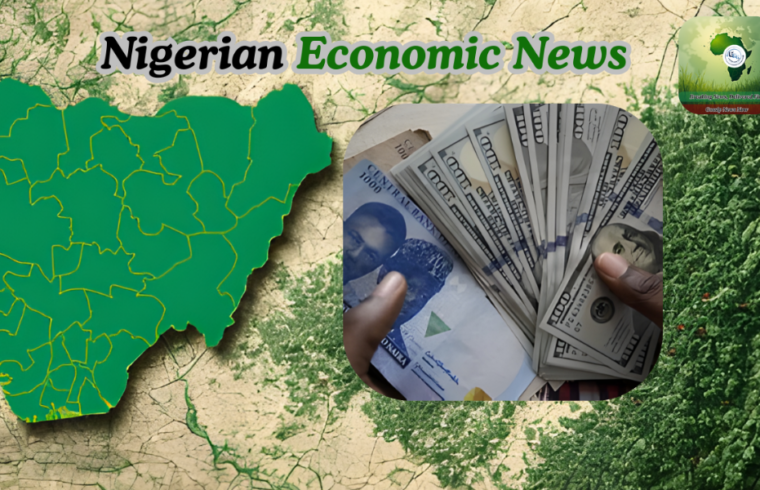
The value of the Nigerian Naira against the United States Dollar continues to draw attention, especially within the informal currency market commonly referred to as the parallel market. Many Nigerians rely on this segment to access foreign exchange, making daily rate updates highly relevant.
Current Black Market (Parallel Market) Rates
As of mid-April 2026, the exchange dynamics in Lagos indicate a slight fluctuation in how the Naira trades against the Dollar. Reports gathered from currency traders show that the selling price for one dollar stands at ₦1410, while the buying rate is pegged at ₦1393. These figures reflect ongoing demand pressures and limited forex supply in the informal market.
Snapshot of Today’s Parallel Market Rates
- Selling Price: ₦1410 per $1
- Buying Price: ₦1393 per $1
It’s important to understand that these values are not fixed across all dealers. Variations can occur depending on location, transaction size, and prevailing demand at the time of exchange.
Official CBN Exchange Range
On the official side, the Central Bank of Nigeria (CBN) maintains a regulated forex window that differs notably from the black market. Current data shows:
- Highest official rate: ₦1362 per $1
- Lowest official rate: ₦1354 per $1
This official band reflects the government’s attempt to stabilize the currency, although accessibility remains a challenge for many individuals and businesses.
Regulatory Position on Forex Transactions
The apex bank has consistently distanced itself from activities in the parallel market. Individuals and organizations seeking foreign exchange are advised to conduct transactions through authorized financial institutions such as commercial banks.
Market Realities and Practical Insights
Despite regulatory guidance, the parallel market remains active due to unmet forex demand in official channels. Gossip News Now reports that this gap continues to fuel reliance on informal currency traders, particularly among small business owners and travelers.
Key Considerations for Forex Users
- Rates may differ slightly depending on the dealer or city
- Larger transactions could attract negotiated rates
- Market volatility means prices can shift within hours
Analysis: What This Means for the Economy
The noticeable gap between official and black market rates highlights underlying economic challenges, including forex scarcity and external pressure on the Naira. This disparity often impacts import costs, inflation levels, and overall purchasing power.
For everyday Nigerians, the difference in rates directly affects the cost of goods and services, especially those tied to international markets. Until liquidity improves within the official forex system, the parallel market is likely to remain a dominant force.
© 2025 Gossip News Now, a division of CHIEJOS HARBIAN DIGITAL MEDIA LTD. Contact us via admin@gossipnewsnow.online