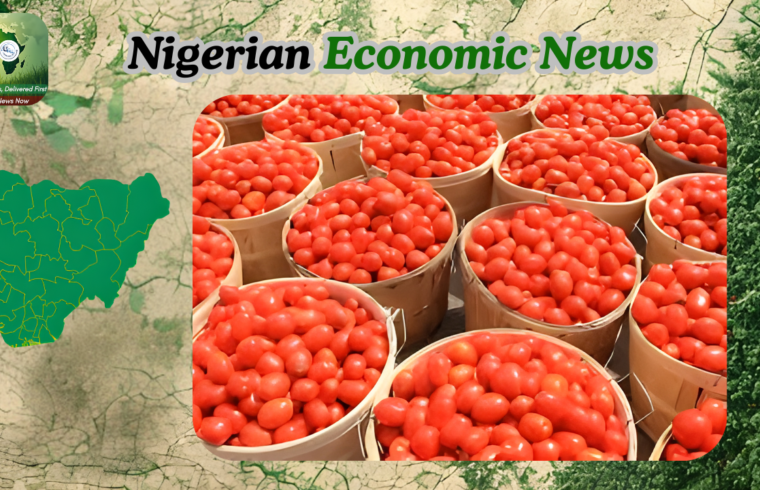
There are growing indications that tomato and vegetable prices could remain stable — or even fall — during the 2026 Ramadan fasting season as farmers and traders anticipate increased harvests across northern Nigeria.
Stakeholders under the Tomatoes Growers, Processors and Marketers Association of Nigeria believe market conditions this year are different from previous Ramadan periods that witnessed sharp increases in food prices.
Speaking on the development, the Kaduna State chairman of the association, Rabiu Zuntu, explained that the timing of the 2026 fasting season may naturally support lower market prices because it aligns with the peak tomato harvest period in several northern states.
According to him, major farming areas including Kaduna, Kano, and surrounding northern communities are already witnessing strong harvest output, a situation expected to increase tomato supply in local markets.
High Supply Expected To Reduce Tomato Costs
Unlike previous years when Ramadan fell during periods of low farm production, the 2026 fasting window between February and March is expected to coincide with active harvesting activities.
This, according to market observers, could prevent the usual scarcity that often pushes up the prices of tomatoes, peppers, and vegetables during Ramadan.
Gossip News Now reports that vegetable cultivation has also expanded significantly after many northern farmers reportedly shifted attention away from grains following weaker grain market returns last year.
The association revealed that many farmers experienced financial pressure during the previous planting cycle because produce prices dropped while farming inputs remained expensive. Despite those challenges, cultivation reportedly increased as growers prepared for anticipated Ramadan demand.
Changing Ramadan Food Habits May Affect Demand
Analysts within the agricultural sector also pointed to changing food consumption patterns during Ramadan as another factor that may influence prices.
Because many Muslims typically avoid breakfast and lunch during fasting hours, overall daily food demand for certain commodities may reduce temporarily. Experts believe this shift could further stabilize tomato prices even as supplies continue flowing into markets.
Industry stakeholders added that vegetables remain important ingredients in meals prepared for breaking the fast, encouraging farmers to produce more in anticipation of seasonal demand.
The association maintained that market pricing is heavily controlled by supply and demand forces, stressing that increased availability of farm produce usually weakens price pressure.
Northern Harvest Activity Driving Market Optimism
In several northern communities where harvesting remains active, traders say fresh produce continues arriving in large quantities.
This steady inflow is already influencing wholesale prices in some areas. Current market estimates shared by the association indicate that a 50kg basket of tomatoes presently sells between ₦7,000 and ₦10,000 in parts of northern Nigeria depending on quality and tomato variety.
However, transportation expenses and logistics costs still contribute to higher prices in southern markets, where similar produce may sell for significantly more.
Market insiders also disclosed that only weeks ago, some tomato baskets sold for as low as ₦5,000 before distribution costs affected retail pricing outside producing regions.
Farmers Seek More Government Support Ahead Of Planting Season
Beyond pricing discussions, the association also appealed to the Federal Government and the Federal Ministry of Agriculture and Food Security to strengthen support for vegetable farmers ahead of the next planting season.
The group called for easier access to farming inputs and intervention programmes capable of helping growers improve production capacity.
Stakeholders believe additional government support may also help farmers manage recurring agricultural challenges, including pest attacks such as the destructive Tuta absoluta, which previously affected tomato farms across several regions.
What The Development Means For Consumers
For many Nigerians already dealing with rising food costs, the possibility of lower tomato prices during Ramadan may offer some relief.
Economic observers say if harvesting remains strong and transportation challenges are controlled, consumers could experience more affordable vegetable prices compared to previous fasting periods.
The situation also highlights how seasonal farming cycles and food consumption patterns continue shaping commodity prices across Nigeria’s agricultural markets.
Commentary And Market Analysis
Agricultural analysts believe the projected drop in tomato prices during the 2026 Ramadan season could become a major relief for many Nigerian households already struggling with rising food inflation.
In recent years, Ramadan periods have often been associated with sudden increases in the prices of tomatoes, peppers, onions, and other cooking essentials. However, the current harvest cycle appears to be creating a different market outlook entirely.
Some market observers say the timing of Ramadan in early 2026 may work in favour of consumers because harvest activities in northern Nigeria are expected to remain active throughout the fasting season. This could help maintain steady supply chains and reduce panic buying across major markets.
Experts also believe the increasing number of farmers entering vegetable cultivation may gradually reshape pricing patterns within the agricultural sector if production levels remain consistent.
Another important factor attracting attention is the changing food consumption structure during Ramadan. Analysts argue that reduced daytime eating habits among fasting Muslims may naturally slow demand for certain food items, helping prices remain stable despite seasonal market activity.
There are also expectations that government intervention programmes, if properly implemented, could strengthen local vegetable production and improve long-term food security.
For many traders and consumers, the coming months may serve as a major test of how supply, transportation costs, weather conditions, and consumer demand interact within Nigeria’s food economy.
Should harvest levels remain strong across Kaduna, Kano, and other northern producing states, analysts believe tomato prices may remain more affordable compared to previous Ramadan seasons that witnessed severe market spikes.
© 2025 Gossip News Now, a division of CHIEJOS HARBIAN DIGITAL MEDIA LTD. Contact us via admin@gossipnewsnow.online