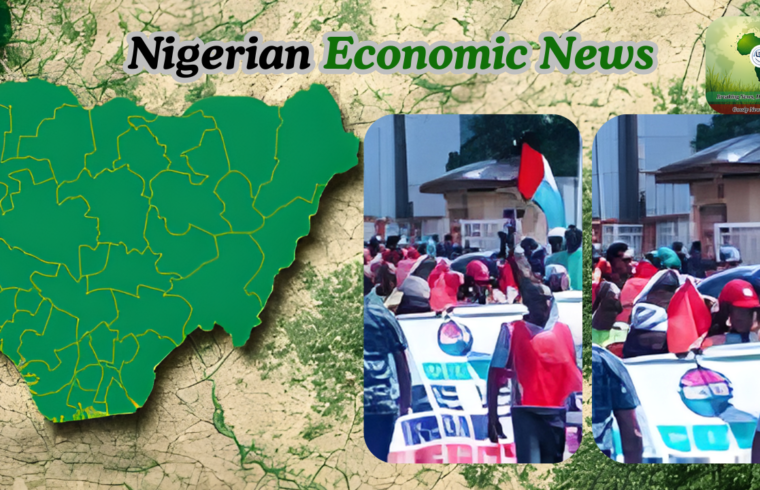
The Nigeria Labour Congress (NLC) has intensified calls for a review of the national minimum wage, citing worsening economic realities and declining purchasing power among Nigerian workers. The union warns that without immediate action, the hardship facing households could further escalate in 2026.
At the center of the demand is NLC President Joe Ajaero, who stressed that current earnings no longer reflect the cost of living, urging authorities to implement changes that ensure dignity and financial stability for workers.
Economic Pressure Fuels Demand for Reform
The labour body highlighted that rising inflation has steadily reduced the real value of salaries across the country. Workers, according to the union, are increasingly unable to meet basic needs, making a wage adjustment not just necessary but urgent.
In a restructured expression of his position, Ajaero suggested that wages should move beyond survival levels and instead provide a reasonable quality of life, aligning with the concept of a true living wage.
Gossip News Now reports that this renewed demand reflects growing frustration among workers who continue to grapple with high living costs.
Reflecting on a Difficult 2025
Looking back, the NLC described the previous year as one of significant hardship for Nigerian households. Economic pressures affected families nationwide, with many struggling to cope with rising expenses and reduced income value.
Rather than weakening labour’s stance, these challenges appear to have strengthened its resolve to push for reforms aimed at improving workers’ welfare.
Labour’s Strategic Position Moving Forward
The union’s approach to the issue can be viewed through several key priorities:
- Advocacy for wages that match current economic conditions
- Willingness to engage in dialogue with government authorities
- Readiness to take lawful action if demands are not addressed
- Commitment to fairness and equitable distribution of national resources
These elements outline a strategy that combines negotiation with potential mobilisation.
Signals From Government and Prospects for Dialogue
While pressing for change, the NLC acknowledged indications from the administration of President Bola Ahmed Tinubu suggesting openness to discussions with labour groups.
This development has created cautious optimism within the union, though it insists that meaningful engagement must be backed by concrete policy decisions rather than promises.
Criticism of Political Leadership
The labour movement also took aim at political practices that it believes contribute to economic inequality. It criticized approaches that prioritize elite interests over the welfare of the broader population, calling for leadership that delivers tangible improvements.
In a rephrased perspective, Ajaero implied that governance must shift toward accountability and genuine commitment to reducing poverty.
Security and Economic Stability Linked
Beyond wages, the NLC emphasized the importance of national security in achieving economic recovery. The union noted that without a safe and stable environment, efforts to improve living standards may fall short.
It called for sustained efforts to protect lives and property, highlighting the connection between security and economic progress.
Unity as Labour’s Strength
The NLC concluded its message by urging workers to remain united, describing solidarity as the most effective tool for achieving lasting change. Collective action, the union believes, will play a crucial role in shaping outcomes in 2026.
Commentary and Analysis
The NLC’s renewed push for a minimum wage review reflects broader concerns about economic inequality and the rising cost of living in Nigeria. As inflation continues to impact households, the demand for higher wages is likely to gain more public support.
However, implementing such changes presents challenges, particularly in balancing fiscal responsibility with workers’ needs. The government will need to carefully navigate these competing priorities while maintaining economic stability.
The possibility of dialogue between labour and the government offers a pathway to resolution, but its success will depend on both sides’ willingness to compromise and act decisively. Ultimately, the outcome of this issue could shape not only workers’ welfare but also the broader economic landscape in the months ahead.
© 2025 Gossip News Now , a division of CHIEJOS HARBIAN DIGITAL MEDIA LTD. Contact us via admin@gossipnewsnow.online