Conflict Lead
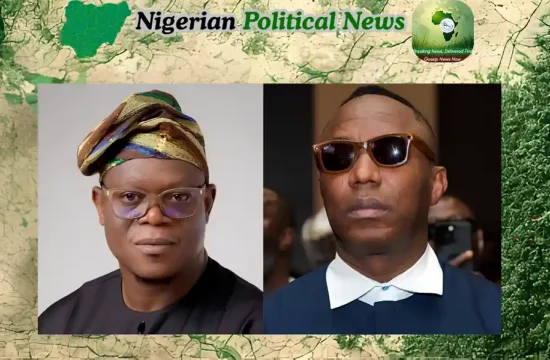
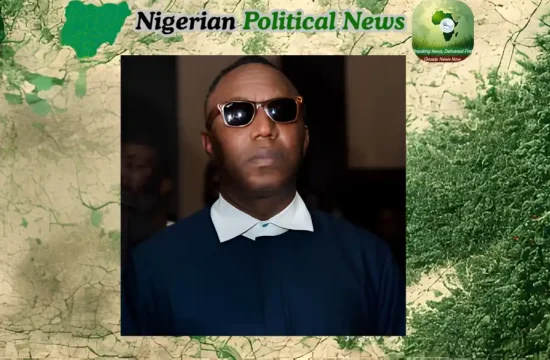
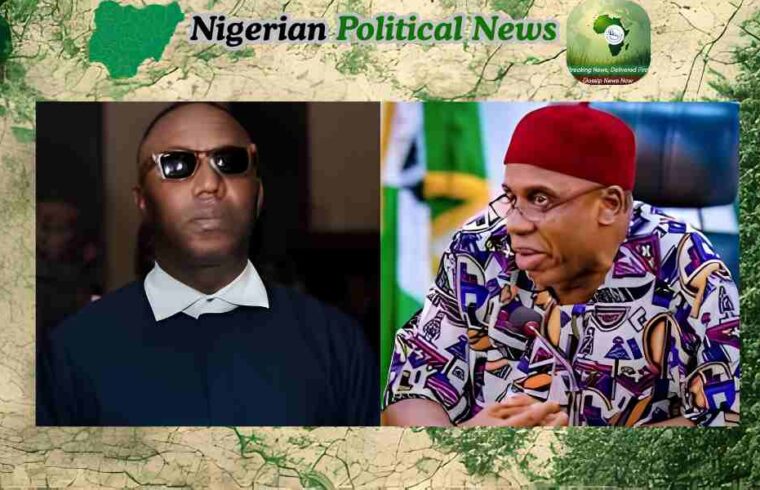
A heated exchange between Omoyele Sowore and former Rivers State Governor Rotimi Amaechi at the Nigerian Bar Association Annual General Conference has continued to generate attention, with Sowore now revealing what happened after their confrontation.
The African Action Congress presidential candidate said he contacted Amaechi after the encounter and demanded an apology, but the former governor instead invited him to his residence for food and drinks.
Sowore’s response was delivered with a joke that has since become one of the most striking parts of his account: “I don’t want you to poison me.”
In Brief
Sowore said the disagreement at the NBA conference was rooted in their opposing views about political leadership, governance and their respective contributions to Nigeria.
After the event, he said he called Amaechi and told him that an apology was due. According to Sowore, Amaechi responded by inviting him over to his house.
Sowore also defended his political credentials, arguing that his long history as a democracy activist gives him an important perspective on leadership, even though he has never held an elective public office.
What They Said
Speaking on Arise News, Sowore explained that he told Amaechi he should have apologised after their exchange.
According to him, Amaechi instead invited him to his residence to eat and drink beer.
Sowore said he declined the invitation, joking that he did not want Amaechi to poison him because he believed the former governor was unhappy with him.
He immediately clarified that he did not genuinely believe Amaechi would harm him, describing the remark as a joke.
The comment, however, came against the backdrop of a much more serious political disagreement between the two men.
Stakeholder Positions
Sowore’s argument goes beyond the confrontation itself. He maintains that his years of activism during Nigeria’s struggle for democracy helped create the political environment in which politicians such as Amaechi could operate.
He argued that if Nigeria had remained under military rule, Amaechi would not have had the opportunity to become Speaker of the Rivers State House of Assembly, governor or later Minister of Transportation.
Amaechi, meanwhile, defended his record in public office during the NBA encounter.
The former Rivers governor pointed to roads and primary schools constructed during his tenure in the state. He also referenced the Lagos-Ibadan and Abuja-Kaduna railway projects, which he said were completed while he served as Transportation Minister.
The two positions therefore reflect a broader disagreement over how political contributions should be measured — through activism and democratic struggle, or through the tangible record of people who have occupied public office.
Background
The confrontation began during the political session of the NBA Annual General Conference in Port Harcourt.
Sowore criticised the records of former public office holders, including Amaechi, and questioned what he described as shortcomings in Amaechi’s performance as Rivers State governor and Transportation Minister.
He specifically criticised the railway projects associated with Amaechi’s tenure and linked his argument to the wider debate over the removal of the petrol subsidy.
Amaechi rejected the criticism and responded by highlighting projects executed during his years in government.
The exchange became more heated when Amaechi told Sowore, “When politicians are talking, close your mouth.”
The remark added another layer to an already tense political discussion.
A Broader Political Argument
The disagreement has also brought attention to Sowore’s argument about what qualifies someone to lead Nigeria.
Sowore acknowledged that he has never governed a state or served as a minister, but argued that leadership should not be reduced to previous government appointments.
He said effective leaders need to understand different areas of national life and know how to bring people with the necessary expertise together.
In his view, his years of activism, campaigns for democratic governance and advocacy for accountability have provided him with a different kind of political experience.
He also argued that politicians who benefited from Nigeria’s return to democratic rule should recognise the efforts of those who fought for that transition.
Strategic Assessment
At the heart of the confrontation is a wider question about how political credentials are established and defended.
Sowore is presenting activism and democratic struggle as an important measure of political experience, while Amaechi’s defence centres more directly on his record in elected and appointed public office.
The clash therefore goes beyond the personal exchange at the NBA conference. It reflects two different approaches to measuring political contribution: the ideas and movements that shape political change, and the policies and projects delivered after assuming public office.
Neither argument, on its own, settles the broader question of what makes an effective political leader. But the confrontation has placed that question directly in the public conversation.
The Subsidy Debate Returns
Sowore also used the discussion to defend his longstanding opposition to the removal of the petrol subsidy.
He said he had warned against the policy before it was implemented and argued that subsequent economic difficulties reinforced his concerns.
According to Sowore, some of the ideas that policymakers are now considering were issues his movement had previously advocated.
His position is that leadership should ultimately be assessed through a combination of vision, convictions, the ability to mobilise people and the capacity to address national problems, rather than simply through previous government positions.
Political Significance
The Sowore-Amaechi confrontation highlights how debates over Nigeria’s political future can quickly become debates over political history, personal records and competing definitions of leadership.
The episode has also brought renewed attention to the relationship between political activism and public office.
For Sowore, his democratic activism remains a central part of his political identity. For Amaechi, his defence points to a record built through years in elected and appointed positions.
As both sides continue to defend their respective records, the bigger question remains: Should political leadership be judged mainly by previous public office, democratic activism, policy ideas, or a combination of all three?
Join the Conversation
Do you think Sowore’s years of activism give him a stronger political credential, or should leadership credentials be judged primarily by a person’s record in public office?
Share your thoughts respectfully in the comments.
© 2026 Gossip News Now, a division of CHIEJOS HARBIAN DIGITAL MEDIA LTD. Contact us via admin@gossipnewsnow.online