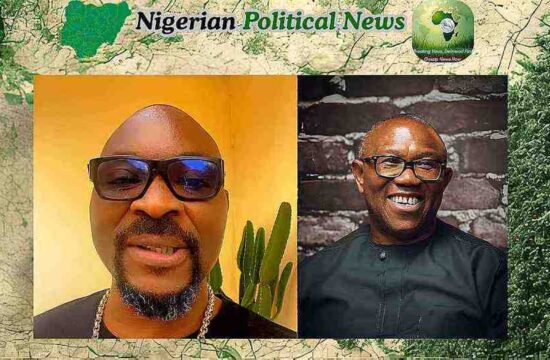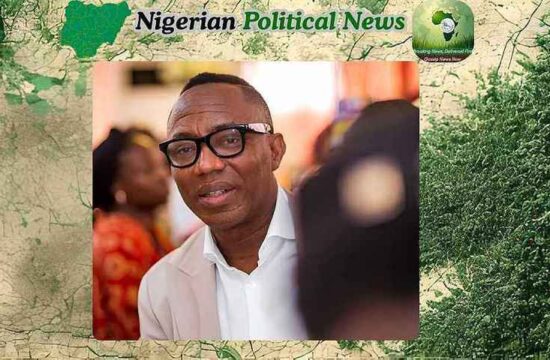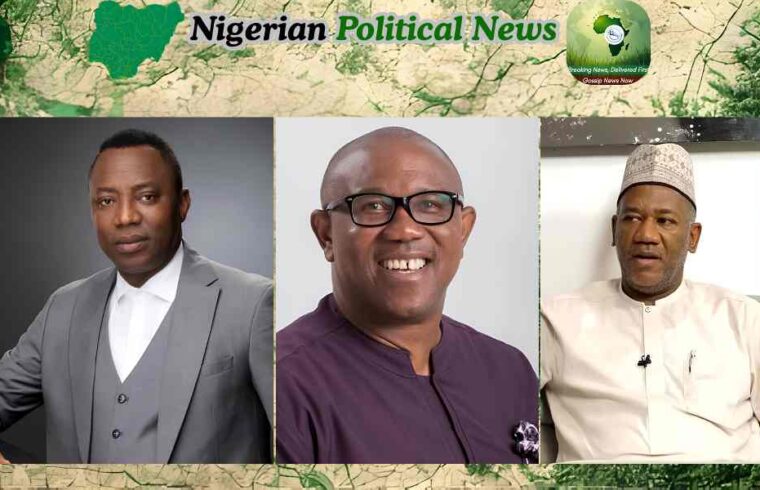
Omoyele Sowore has challenged Yusuf Datti Baba-Ahmed over his criticism of Peter Obi, questioning why the former Labour Party vice-presidential candidate supported Obi’s 2023 presidential bid if he had concerns about his competence.
In Brief
The African Action Congress (AAC) presidential candidate’s reaction followed comments by Datti in which he argued that opposition figures challenging President Bola Tinubu, including Obi, lacked what it would take to transform Nigeria.
Sowore responded by questioning Datti’s role in the 2023 presidential election, particularly his decision to run alongside Obi on the Labour Party ticket.
The AAC candidate also rejected the argument that Obi’s strong following among young Nigerians was enough to demonstrate his suitability for the presidency.
What Happened?
Datti Baba-Ahmed had criticised opposition politicians challenging President Bola Tinubu, stating that he did not believe they possessed the capacity to change Nigeria.
His comments included Peter Obi, the former Labour Party presidential candidate with whom Datti contested the 2023 election as running mate.
Sowore subsequently challenged Datti over the position, asking why he had participated in presenting Obi to Nigerians in 2023 if he already believed the candidate was not competent to become president.
According to Sowore, the issue should not simply be whether Obi was popular or attracted substantial support from young Nigerians. Instead, he argued that greater attention should be paid to how Obi was presented to voters and the basis on which his popularity was built.
The response therefore shifted the political debate from Datti’s criticism of opposition candidates to questions surrounding the Labour Party’s 2023 presidential campaign and the public perception of Obi.
Key Players
Omoyele Sowore is the African Action Congress presidential candidate and the politician responding to Datti’s remarks. His criticism focuses on the decision to present Peter Obi as a presidential candidate in 2023 despite what Sowore describes as concerns about Obi’s competence.
Yusuf Datti Baba-Ahmed was the Labour Party’s vice-presidential candidate in the 2023 election and Obi’s running mate. His recent comments about opposition figures, including Obi, prompted Sowore’s response.
Peter Obi was the Labour Party’s presidential candidate in the 2023 election and is the central political figure around whom the disagreement between Sowore and Datti has developed.
Stakeholder Positions
Datti’s position, as presented in the report, is that opposition figures challenging Tinubu, including Obi, do not have what it takes to transform Nigeria.
Sowore takes a different position. Rather than accepting Obi’s 2023 popularity as evidence of political suitability, he questioned Datti’s decision to participate in the presidential ticket if he now believes Obi was not competent to lead the country.
Sowore also challenged the emphasis placed on Obi’s youth following during the 2023 campaign. In his view, popularity should not be considered separately from the way a political candidate was presented to the public and the claims or expectations attached to that presentation.
The disagreement therefore centres not only on Obi himself but also on how political candidates are assessed, promoted and ultimately presented to voters.
What They Said
Sowore directly challenged Datti over his involvement in the 2023 Labour Party presidential ticket.
“If you knew that your candidate, Peter Obi, was not competent to be president in 2023, why did you have to drag Nigeria through that whole process of presenting such a candidate when you knew it and are now saying it?”
He also dismissed the idea that Obi’s popularity among young Nigerians, on its own, established his competence.
Sowore argued that the more important question was how Obi became popular and the basis on which voters embraced the former Labour Party candidate.
He further alleged that Obi’s public image had been deliberately packaged in a way that caused some members of the public and young Nigerians to accept what he described as a false presentation.
Background
The disagreement is rooted in the 2023 presidential election, when Peter Obi contested for the presidency on the Labour Party platform with Yusuf Datti Baba-Ahmed as his running mate.
The ticket attracted significant attention, particularly among young Nigerians, and Obi developed a strong following during the campaign.
Sowore’s latest argument revisits that period from a different perspective. Rather than focusing on the size of Obi’s following, he is questioning the process through which the candidate was presented to the electorate.
His criticism is therefore tied to the broader debate over the Labour Party’s 2023 presidential campaign and the expectations created around Obi’s candidacy.
Editorial Analysis
The dispute illustrates how political disagreements can shift from a candidate’s current standing to questions about the decisions that shaped an earlier election campaign.
Datti’s latest criticism, as reported, evaluates whether opposition figures have the capacity to change Nigeria. Sowore’s response instead turns attention toward the 2023 decision to present Obi as a presidential candidate.
That distinction is important because popularity and competence are not necessarily the same political measure. A candidate can attract substantial public support while political opponents, supporters or former allies continue to disagree about the candidate’s qualifications, record or suitability for office.
Sowore’s central argument is that the discussion should therefore go beyond asking why Obi was popular. He wants the political debate to examine how that popularity developed and what voters were led to believe about the candidate.
Political Implications
The exchange could add another layer to the continuing debate over the opposition’s performance and strategy following the 2023 presidential election.
For the Labour Party and other opposition figures, disagreements over Obi’s candidacy can also become part of the broader political conversation about how future candidates should be selected, presented and evaluated by voters.
The dispute also highlights the continuing political significance of the 2023 election. Arguments about Obi’s popularity, the Labour Party ticket and the expectations surrounding the campaign remain relevant to how opposition politicians explain their past decisions and position themselves in subsequent political contests.
For voters, the exchange raises a broader question about whether political popularity should be assessed independently from a candidate’s perceived competence and the information presented during an election campaign.
Editorial Wrap-Up
Sowore’s response has turned Datti’s criticism of Peter Obi into a wider argument over the judgment behind the 2023 Labour Party presidential ticket.
While Datti’s remarks question whether opposition politicians can transform Nigeria, Sowore is asking a different question: if concerns about Obi’s competence existed at the time, why was he presented to Nigerians as a presidential candidate in the first place?
The disagreement leaves the focus not only on Obi’s political popularity, but also on how candidates are presented to voters and how those political choices are defended after an election.