

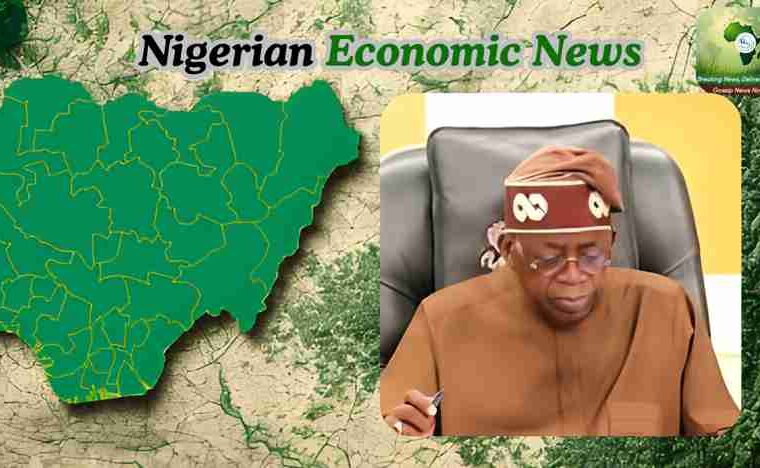
Federal Allocations Target Development Across Nigeria
The administration of President Bola Ahmed Tinubu has distributed a total of ₦2.45 trillion to Nigeria’s 36 states and the Federal Capital Territory (FCT) as part of efforts to strengthen infrastructure and improve security nationwide.
The funding, which was released over several months, is expected to support state governments in addressing critical development priorities while enhancing service delivery at the grassroots level.
Presidential Aide Highlights Scope of Intervention
Details of the disbursement were disclosed by Daniel Bwala, Special Adviser to the President on Policy Communication.
According to him, the allocations covered a 17-month period stretching from March 2024 to August 2025, reflecting what he described as the Federal Government’s sustained commitment to supporting subnational administrations.
The intervention is designed to assist states in executing projects that directly impact citizens and improve economic activities.
Roads, Schools and Healthcare Among Key Priorities
The funds are expected to be directed toward a variety of developmental projects across the country.
Among the major areas identified for investment are transportation infrastructure, healthcare facilities, educational institutions, and security operations.
State governments are also expected to utilize portions of the allocation for the rehabilitation of critical roads and bridges as well as improvements to public services.
Security Remains Central to Funding Strategy
A significant portion of the initiative focuses on strengthening security capabilities at the state level.
Authorities believe improved security is essential for attracting investment, protecting communities, and creating an environment that supports economic growth.
The allocations are therefore intended to help states respond more effectively to security challenges while enhancing coordination with federal agencies.
Federal-State Collaboration Described as Global Practice
While discussing the disbursement, Daniel Bwala noted that financial cooperation between central governments and regional administrations is common in many parts of the world.
He referenced countries such as the United States and India, where national governments routinely provide support to subnational entities to facilitate development projects and public service delivery.
According to him, such arrangements are necessary to ensure that citizens benefit from government programs regardless of where they live.
Link to Tinubu’s Development Agenda
The presidential aide connected the allocations to the broader objectives of President Bola Ahmed Tinubu’s economic and governance agenda.
He explained that the administration’s priorities include strengthening infrastructure, improving healthcare access, expanding educational opportunities, and enhancing national security.
These areas continue to form a significant part of the government’s long-term development strategy.
Focus on Accountability and Economic Growth
Gossip News Now reports that the Federal Government has also emphasized the importance of transparency in the use of public funds.
Officials maintain that monitoring mechanisms will help ensure that allocated resources are applied toward approved projects and developmental goals.
Beyond infrastructure delivery, the administration expects the investments to stimulate economic activity, create employment opportunities, and improve living conditions in communities across the country.
Analysis: What the ₦2.45 Trillion Allocation Could Mean
The release of ₦2.45 trillion to states and the FCT represents one of the more significant fiscal support measures aimed at accelerating development at the subnational level.
If effectively utilized, the funds could contribute to improved roads, stronger healthcare systems, better educational facilities, and enhanced security operations. These improvements have the potential to support business activities and encourage economic expansion.
However, the ultimate impact will depend largely on implementation, project execution, and accountability mechanisms. As Nigerians continue to demand visible results from public spending, attention will likely remain focused on how state governments deploy the resources and whether the projects translate into measurable improvements in daily life.
© 2025 Gossip News Now, a division of CHIEJOS HARBIAN DIGITAL MEDIA LTD. Contact us via admin@gossipnewsnow.online