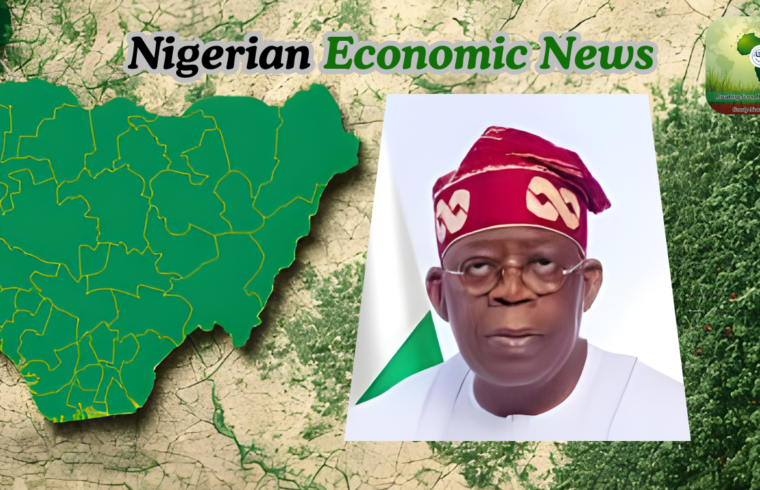
President Bola Ahmed Tinubu has expressed renewed optimism about Nigeria’s economic direction, signaling that 2026 could mark a period of consolidation and measurable growth. In his New Year message to the nation, he pointed to improving financial indicators and policy outcomes as evidence that reforms introduced in 2025 are beginning to yield results.
Signs of Recovery and Economic Stability
Reflecting on the past year, the President noted that Nigeria managed to withstand global economic pressures through a mix of fiscal discipline and structural adjustments. These efforts, he explained in a reworded sense, have begun to steady key aspects of the economy while laying groundwork for sustained progress.
Gossip News Now reports that Tinubu’s outlook is anchored on consistent improvements across several economic indicators, including moderated inflation, stable exchange rates, and strengthened trade balances.
Key Economic Gains Highlighted
Rather than presenting the figures in a traditional sequence, the administration emphasized progress through a broad overview of financial milestones:
- Inflation trends gradually easing to more manageable levels
- Foreign reserves rising significantly, offering protection against external shocks
- Noticeable expansion in foreign direct investment inflows
- Strong performance in the equities market, reflecting investor confidence
Together, these developments suggest a more resilient economic environment compared to previous periods.
Investment Climate Shows Positive Shift
The President also underscored the growing trust of international investors in Nigeria’s economy. Institutions such as Moody’s, Fitch, and Standard & Poor’s have acknowledged improvements in the country’s financial outlook.
This renewed confidence has translated into increased capital inflows, signaling that Nigeria is gradually regaining its position as an attractive destination for global investment.
Fiscal Reforms and Revenue Strategy
A major component of the President’s message centered on strengthening fiscal responsibility. He emphasized the need for a more coordinated tax system across states, aimed at reducing duplication and improving efficiency.
The administration’s approach focuses on:
- Simplifying tax structures to ease the burden on businesses
- Expanding revenue streams to fund infrastructure projects
- Ensuring long-term sustainability in public finances
These reforms are expected to play a central role in shaping economic outcomes in 2026.
Security and Economic Growth Interconnected
Tinubu acknowledged that economic expansion cannot thrive without stability. He highlighted ongoing security operations across various regions, particularly in areas affected by insurgency and banditry.
The government’s strategy includes a combination of coordinated military efforts, community-based security initiatives, and structural reforms designed to enhance safety nationwide. By strengthening security frameworks, the administration aims to create an environment where economic activities can flourish.
Development Plans Target Broader Inclusion
Looking ahead, the President outlined plans to expand grassroots economic participation through national programs. One such initiative aims to engage millions of Nigerians at the community level, particularly in productive sectors like agriculture, mining, and trade.
In addition, ongoing investments in infrastructure—including transportation, energy, and healthcare—are expected to continue, ensuring that development projects remain on track without disruption.
A Call for Unity and Shared Responsibility
Closing his address, Tinubu encouraged citizens to embrace a collective approach to nation-building. He stressed that progress requires cooperation, resilience, and a shared commitment to the country’s future.
His message conveyed hope for a stable and prosperous year ahead, emphasizing that unity remains a critical ingredient in achieving long-term national goals.
Commentary and Analysis
President Tinubu’s New Year address reflects a strategic effort to reinforce public confidence in Nigeria’s economic direction. By highlighting measurable progress while outlining future priorities, the administration seeks to balance optimism with accountability.
The emphasis on fiscal discipline, investor confidence, and security suggests a multi-layered approach to economic management. However, the real test will lie in the consistent implementation of these policies and their tangible impact on everyday Nigerians.
If the outlined reforms are sustained and effectively executed, 2026 could indeed represent a turning point—one where macroeconomic stability translates into broader prosperity and improved living standards across the country.
© 2025 Gossip News Now , a division of CHIEJOS HARBIAN DIGITAL MEDIA LTD. Contact us via admin@gossipnewsnow.online