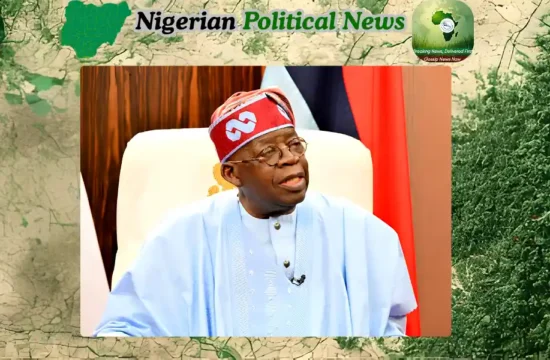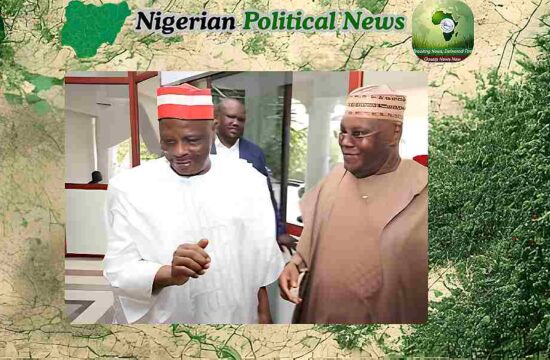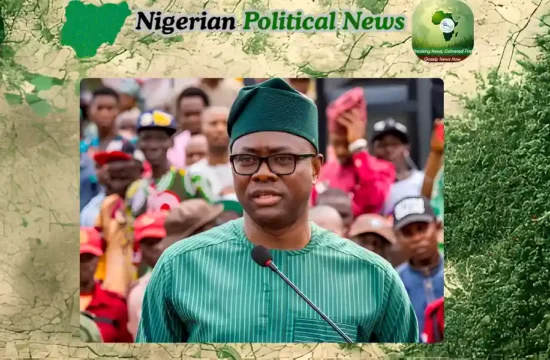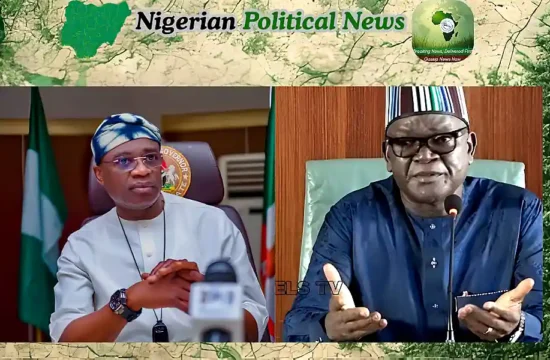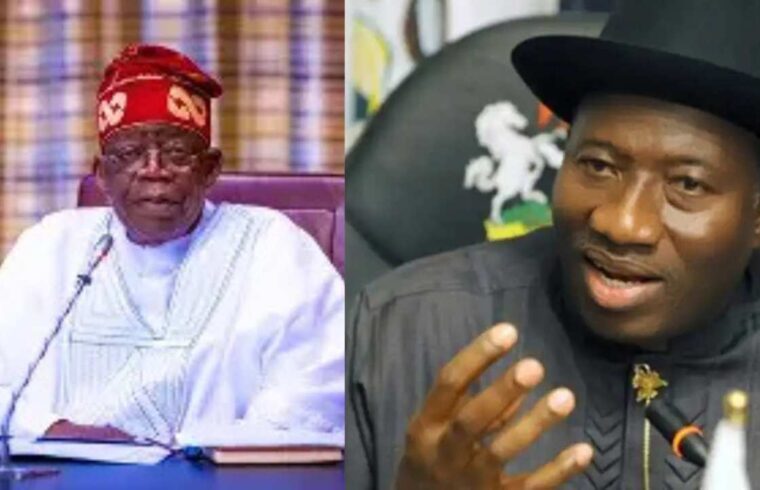
A member of the Bayelsa State House of Assembly, Ted Elemeforo, has sparked fresh political discussions after calling on President Bola Tinubu and other prominent figures in the All Progressives Congress (APC) to apologize to former President Goodluck Jonathan over their past opposition to fuel subsidy policies.
Fuel Subsidy Debate Returns to the Spotlight
Nigeria political news report obtained by GNN , states thatDuring a television appearance, the Bayelsa lawmaker questioned what he described as a contradiction between the APC’s previous stance on fuel subsidy and the policies currently being implemented by the administration of President Bola Tinubu.
According to him, several influential APC leaders strongly criticized subsidy-related policies during the administration of Goodluck Jonathan, yet are now overseeing similar measures while in power.
The lawmaker argued that political leaders should be willing to acknowledge when circumstances force them to adopt positions they once condemned. In his view, this would demonstrate honesty and accountability to Nigerians.
Call for Political Accountability
Ted Elemeforo maintained that individuals who actively campaigned against subsidy policies years ago now face the reality of implementing comparable economic decisions. He suggested that such a development deserves public reflection and acknowledgment.
He stressed that consistency remains an important quality in leadership, noting that citizens closely monitor the actions of political actors and compare them with their previous statements.
Gossip News Now recalls that the issue of fuel subsidy has remained one of the most controversial economic topics in Nigeria, often generating strong reactions from both politicians and the public.
Criticism Extends Beyond Subsidy Policy
Beyond the subsidy controversy, the PDP lawmaker also expressed concerns about the broader performance of the current administration.
According to him, many Nigerians expected significant improvements after the APC assumed office. However, he suggested that several national challenges continue to persist despite promises of change.
The lawmaker pointed to the political messaging that dominated the 2015 election period, when the APC frequently criticized the government led by Goodluck Jonathan. He argued that some of the same issues highlighted during that campaign remain subjects of national debate today.
PDP Loyalty Despite Political Defections
As political alignments continue to shift across the country, Elemeforo reaffirmed his commitment to the Peoples Democratic Party (PDP).
He stated that his decision to remain with the party is based on conviction rather than political convenience. While acknowledging the wave of defections occurring within Nigeria’s political landscape, he insisted that he remains confident in the PDP’s future.
According to the lawmaker, the opposition party still possesses the capacity to contribute meaningful solutions to the country’s economic and governance challenges.
Why the Remarks Matter
The comments from Ted Elemeforo arrive at a time when political accountability has become a major topic among voters. His position highlights the ongoing debate about whether political leaders should be judged by campaign promises, past statements, or the realities they encounter while governing.
The fuel subsidy issue serves as a powerful example of how opposition politics and governance can produce different perspectives on the same policy challenge.
Commentary and Analysis
The controversy surrounding fuel subsidy reflects a broader pattern within Nigerian politics, where parties often revise positions after assuming office. While critics see this as inconsistency, supporters frequently argue that governing presents realities that differ from opposition rhetoric.
By calling for an apology to Goodluck Jonathan, Elemeforo is drawing attention to what he believes is a significant political reversal. His remarks are less about the subsidy itself and more about the importance of accountability and credibility in public leadership.
His continued loyalty to the PDP also underscores the ongoing rivalry between Nigeria’s major political parties. As defections and political realignments continue, parties will likely face increasing pressure to define clear principles and maintain consistency in their messaging.
Ultimately, the debate reinforces a central question in Nigerian politics: should leaders be held accountable for past positions when changing circumstances force them to adopt different policies? The answer may continue to shape public opinion and influence future political contests.
© 2025 Gossip News Now, a division of CHIEJOS HARBIAN DIGITAL MEDIA LTD. Contact us via admin@gossipnewsnow.online