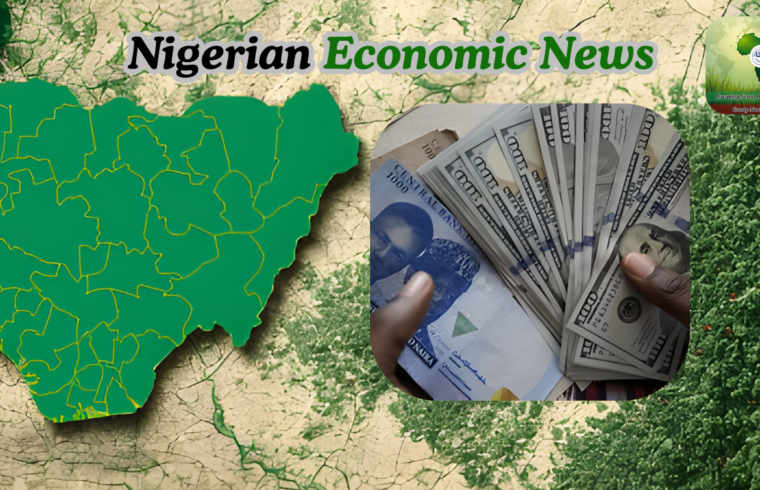
Foreign exchange activity in Nigeria continues to draw attention as businesses and individuals monitor the daily movement of the naira against the United States dollar. The currency market remains divided between the official banking system and the widely used parallel market.
On Tuesday, December 16, 2025, traders in Lagos reported that the dollar maintained a strong position against the naira in the informal foreign exchange market commonly referred to as the black market or parallel market (Aboki FX).
According to sources among Bureau De Change (BDC) operators, the dollar exchanged at approximately ₦1,487 when sold to buyers in the market. At the same time, traders were purchasing dollars from sellers at around ₦1,480 per dollar.
The difference between the buying and selling prices reflects the margin used by traders operating within the parallel market, where exchange rates are largely determined by supply and demand.
Below is a simplified breakdown of the black market figures recorded during the trading period:
Parallel Market (USD to NGN)
- Buying Price: ₦1,480 per dollar
- Selling Price: ₦1,487 per dollar
In contrast, the official exchange window regulated by the Central Bank of Nigeria (CBN) showed slightly stronger performance for the naira.
Data from the official market indicated that the exchange rate fluctuated within a narrower band compared to the parallel market.
The official rates recorded during the period were as follows:
Official CBN Window (USD to NGN)
- Highest Rate: ₦1,455 per dollar
- Lowest Rate: ₦1,450 per dollar
The Central Bank of Nigeria has consistently maintained that the parallel market operates outside the formal foreign exchange framework.
Because of this position, the apex bank continues to encourage individuals and businesses seeking foreign currency to conduct transactions through licensed commercial banks and other authorized financial institutions.
Despite this guidance, the parallel market remains widely used across the country, especially when access to foreign currency through official channels is limited.
It is also important to note that exchange rates quoted by traders may vary depending on the location, volume of the transaction, and prevailing market conditions.
Commentary and Analysis
Nigeria’s foreign exchange landscape has long been characterized by the coexistence of official and unofficial markets.
The gap between these two exchange rates often reflects broader economic pressures, including foreign currency demand, import requirements, and fluctuations in oil revenue.
When the spread between the official and parallel market rates widens, it typically signals limited liquidity in the formal market or rising demand for foreign currency.
Economic analysts frequently stress the importance of strengthening non-oil exports, improving foreign reserves, and encouraging foreign investment as ways to stabilize the naira.
Until these structural issues are fully addressed, daily movements in the dollar-naira exchange rate are likely to remain a major topic of discussion among traders, policymakers, and the general public.
© 2025 Gossip News Now , a division of CHIEJOS HARBIAN DIGITAL MEDIA LTD. Contact us via admin@gossipnewsnow.online