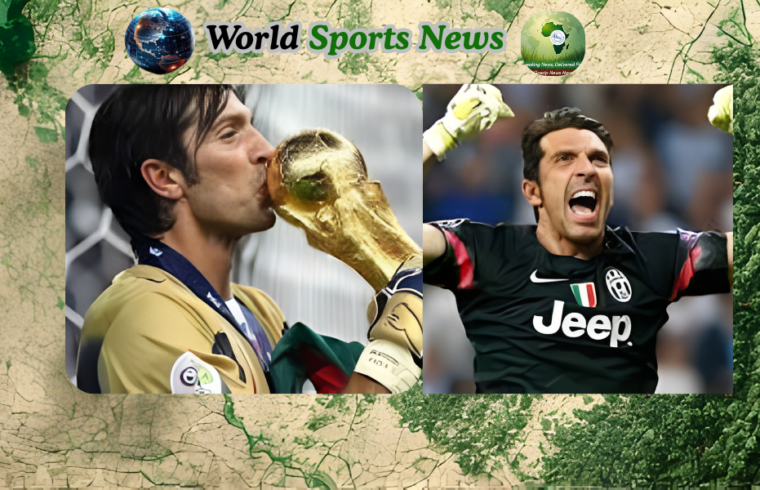
The fallout from 2026 FIFA World Cup qualification disappointment has continued to shake Italian football, with iconic figure Gianluigi Buffon stepping down from his administrative role within the Italy national football team.
Italy’s hopes of returning to the global stage were dashed after a painful play-off defeat to Bosnia and Herzegovina, where the encounter was ultimately decided by penalties. The loss has deepened concerns around the national team’s declining fortunes in recent years.
This latest setback means the four-time world champions have now failed to qualify for three consecutive editions of the World Cup, having also missed out on the 2018 and 2022 tournaments. For a nation with such a rich football heritage, the repeated absence marks an unprecedented period of underachievement.
Gianluigi Buffon, who played a pivotal role in Italy’s triumph at the 2006 FIFA World Cup, described his resignation as a necessary step. He acknowledged that the primary goal during his tenure—helping guide Italy back to football’s biggest stage—was not realized, making his decision one rooted in accountability.
Gossip News Now reports that the veteran, who had been actively involved behind the scenes, chose to step aside to allow a fresh direction for the national team. He suggested that new leadership should have the flexibility to appoint individuals best suited for the role moving forward.
Leadership Shake-Up Deepens Crisis in Italian Football
The resignation of Gianluigi Buffon is not an isolated development. It follows the earlier departure of Gabriele Gravina from his position as head of the Italian football federation, highlighting a broader restructuring effort within the system.
With multiple high-profile exits occurring in quick succession, Italian football now finds itself at a crossroads. The need for reform, both on and off the pitch, has become increasingly urgent as the nation seeks to restore its competitive edge.
Analysis: A Defining Moment for Italian Football’s Future
The decision by Buffon to step down signals more than just a personal choice—it reflects a wider acknowledgment of systemic challenges within Italian football. When a figure of his stature accepts responsibility, it often sets the tone for deeper institutional reflection.
Moving forward, the focus will shift toward rebuilding the national team’s identity, improving talent development, and restoring confidence among supporters. The appointment of new leadership figures could prove critical in shaping the next chapter.
For a country synonymous with football excellence, the current struggles may ultimately serve as a turning point—one that could either prolong the decline or spark a long-overdue resurgence.
© 2025 Gossip News Now, a division of CHIEJOS HARBIAN DIGITAL MEDIA LTD. Contact us via admin@gossipnewsnow.online