Key Takeaways
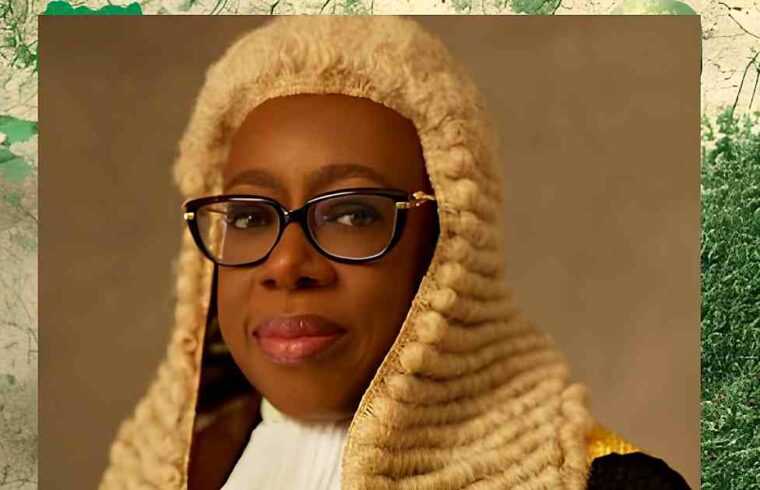
- Chief Justice of Nigeria Justice Kudirat Kekere-Ekun has sworn in judges who will handle petitions arising from the 2027 general elections.
- The ceremony took place at the Body of Benchers Auditorium in Abuja.
- The event also featured the launch of the second edition of the Judicial Electoral Manual and a specialised capacity-building workshop.
- Kekere-Ekun urged the judges to uphold their oaths and administer justice without fear or favour.
- She warned that constitutional and statutory timelines leave no room for unnecessary delays or poor case management.
- The CJN cautioned lawyers, political parties, media organisations and the public against practices capable of intimidating judicial officers or prejudging cases.
- She called on INEC, security agencies and the legal profession to fulfil their statutory responsibilities.
- Nigeria’s presidential and National Assembly elections are scheduled for January 16, 2027, while governorship and State Houses of Assembly elections are scheduled for February 6, 2027.
Chief Justice of Nigeria (CJN), Justice Kudirat Kekere-Ekun, has sworn in judges who will handle petitions arising from Nigeria’s 2027 general elections, as the judiciary begins preparations for another electoral cycle.
The swearing-in ceremony took place on Monday at the Body of Benchers Auditorium in Abuja. The event also featured the launch of the second edition of the Judicial Electoral Manual and a specialised capacity-building workshop designed to prepare the judges for their responsibilities.
During the ceremony, Kekere-Ekun charged the judges to uphold judicial independence, resist external pressure and ensure that electoral disputes are handled in accordance with the law.
CJN Charges Election Tribunal Judges to Uphold Judicial Independence
Addressing the newly sworn-in judges, Kekere-Ekun emphasised the importance of impartiality and integrity in handling election-related cases.
She urged them to remain committed to their judicial oaths and avoid allowing political interests, intimidation or external pressure to influence their decisions.
The CJN stated:
Uphold your oaths of office and administer justice without fear or favour as the country prepares for another electoral cycle.
Her warning highlights the importance of maintaining public confidence in the judiciary, particularly when election-related disputes involve political parties, candidates and other influential stakeholders.
The judges are expected to approach their assignments with professionalism and ensure that every petition is considered fairly and in accordance with established legal principles.
Kekere-Ekun Warns Against Delays in Election Petition Cases
The CJN also drew attention to the strict constitutional and statutory timelines governing the resolution of election petitions.
She stressed that judges must manage cases efficiently because delays or poor handling of proceedings could undermine the electoral dispute resolution process.
Kekere-Ekun stated:
Statutory and constitutional timelines governing election petitions left no room for trial delays or poor case management.
Her remarks underscore the need for proper preparation, effective courtroom management and timely handling of election-related disputes.
Election petitions are subject to specific legal deadlines, making it important for judges and legal practitioners to conduct proceedings efficiently without compromising the fairness of the judicial process.
CJN Warns Lawyers and Political Stakeholders Against Judicial Intimidation
Beyond addressing the judges, Kekere-Ekun called on legal practitioners, political parties, media organisations and members of the public to avoid practices capable of undermining the administration of electoral justice.
She specifically warned against unethical conduct, the abuse of ex parte applications and online campaigns designed to prejudge cases or intimidate judicial officers.
The CJN maintained that protecting Nigeria’s democracy requires cooperation and responsibility from institutions and individuals involved in the electoral process.
She emphasised that the judiciary must be allowed to perform its duties independently, without interference or attempts to influence the outcome of pending cases.
Her warning also highlights the responsibility of political actors and other stakeholders to respect judicial proceedings and allow election-related disputes to be resolved through lawful channels.
Kekere-Ekun Calls for Collective Responsibility in Protecting Democracy
The Chief Justice further stressed that safeguarding Nigeria’s democracy cannot be left to the judiciary alone.
She identified the Independent National Electoral Commission (INEC), security agencies and the legal profession as important institutions that must fulfil their respective statutory responsibilities.
According to Kekere-Ekun:
Independent National Electoral Commission, security agencies and the legal profession must perform their statutory responsibilities conscientiously.
She maintained that each institution has a distinct responsibility in ensuring that the electoral process operates effectively.
While INEC is responsible for conducting elections in accordance with its mandate, security agencies and legal practitioners also have important roles in supporting the electoral process and respecting the rule of law.
Kekere-Ekun, however, reiterated that the judiciary’s responsibility is to resolve electoral disputes strictly on the basis of the law and the evidence presented before it.
Judicial Electoral Manual Launched Ahead of the 2027 Elections
The swearing-in ceremony also coincided with the unveiling of the second edition of the Judicial Electoral Manual.
The launch, alongside a specialised capacity-building workshop, formed part of the activities surrounding preparations for the judges who will handle petitions arising from the 2027 general elections.
The development places attention on the importance of judicial preparation, particularly as election tribunals are expected to deal with disputes arising from the electoral process.
The CJN’s emphasis on judicial independence, timely proceedings and proper case management reflects the responsibilities facing the judges as Nigeria approaches another general election.
Nigeria’s 2027 General Election Dates
The preparations come ahead of the 2027 general elections, with the presidential and National Assembly elections scheduled for January 16, 2027.
Governorship and State Houses of Assembly elections are scheduled to take place on February 6, 2027.
With the electoral timetable approaching, the judiciary’s preparations are significant because election petitions may arise from contests across different levels of government.
The judges are expected to discharge their responsibilities impartially and within the applicable legal timelines, ensuring that disputes are determined according to the law and available evidence.
The CJN’s message ultimately places judicial integrity, independence and efficient case management at the centre of preparations for resolving electoral disputes in 2027.
Frequently Asked Questions (FAQs)
1. Who swore in the judges for Nigeria’s 2027 election petitions?
Chief Justice of Nigeria Justice Kudirat Kekere-Ekun swore in the judges who will handle petitions arising from the 2027 general elections.
2. Where did the swearing-in ceremony take place?
The ceremony took place at the Body of Benchers Auditorium in Abuja.
3. Why were the judges sworn in ahead of the 2027 elections?
The judges were sworn in as part of preparations for handling election petitions that may arise from the 2027 general elections.
4. What did the CJN tell the election tribunal judges?
Kekere-Ekun urged the judges to uphold their oaths of office, administer justice without fear or favour, resist intimidation and comply with the applicable timelines for election petitions.
5. What is the Judicial Electoral Manual?
The Judicial Electoral Manual is the publication whose second edition was launched during the swearing-in event. Its launch coincided with a specialised capacity-building workshop for the judges. The supplied report does not provide further details about its contents.
6. What did the CJN say about delays in election petition cases?
She stressed that statutory and constitutional timelines governing election petitions leave no room for trial delays or poor case management.
7. Which institutions did the CJN identify as having responsibilities in protecting democracy?
She identified the Independent National Electoral Commission, security agencies and the legal profession as institutions that must perform their statutory responsibilities conscientiously.
8. When will Nigeria’s 2027 presidential and National Assembly elections take place?
According to the supplied report, the presidential and National Assembly elections are scheduled for January 16, 2027.
9. When are Nigeria’s 2027 governorship and State Houses of Assembly elections scheduled?
They are scheduled for February 6, 2027.