Breaking Development
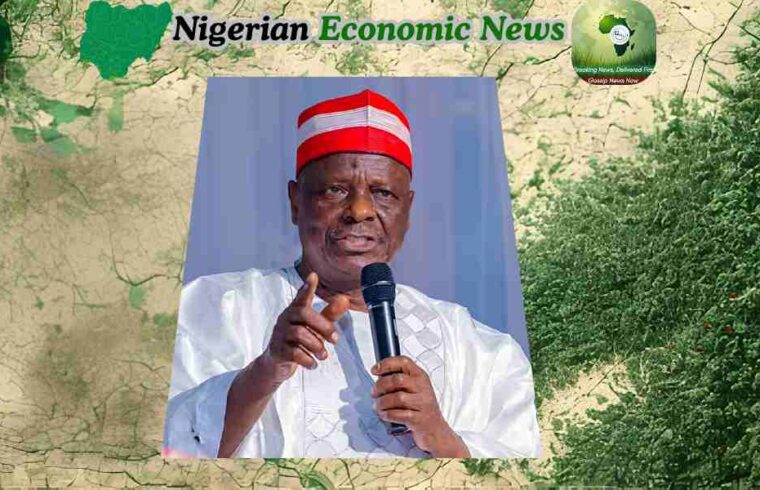
The debate over the proposed establishment of state police has taken another turn following fresh concerns raised by Rabiu Kwankwaso, who cautioned that the initiative could be exploited by state governors for political interests if adequate checks are not introduced.
Executive Summary
The vice-presidential candidate of the Nigerian Democratic Congress (NDC), Rabiu Kwankwaso, has voiced reservations about ongoing discussions on creating state police across Nigeria. While acknowledging the country’s growing security challenges, he argued that the proposed policing structure could become vulnerable to political interference.
According to Gossip News Now, the former Kano State governor believes that unless independent oversight mechanisms are established, state-controlled police formations may be used to protect political office holders instead of serving the public interest.
Fast Facts
- Rabiu Kwankwaso has expressed concerns over the proposed state police system.
- He believes governors could deploy state police for political purposes.
- The former Kano State governor linked the renewed debate to leadership failures, particularly in Northern Nigeria.
- He also warned against the uncontrolled spread of small arms if state police are established.
- Kwankwaso called for stronger safeguards before any security reform is implemented.
Kwankwaso Questions State Police Proposal
Speaking during an interview on News Central TV, Kwankwaso said Nigeria’s worsening security situation has revived discussions around decentralising policing, but warned that the proposal deserves careful consideration before implementation.
He maintained that simply creating state police without comprehensive legal and institutional protections could produce unintended consequences that may undermine democracy and public confidence.
Leadership Failures Linked to Security Challenges
The former presidential contender argued that persistent insecurity, particularly across Northern Nigeria, reflects broader leadership shortcomings.
He suggested that the renewed interest in state police stems largely from the inability of existing governance structures to effectively tackle security threats confronting many communities.
According to him, addressing leadership deficiencies should remain part of any long-term security reform.
Fear of Political Interference
One of Kwankwaso’s major concerns centres on the possibility that governors could exercise excessive influence over state-controlled police commands.
Rather than functioning as neutral law enforcement agencies, he fears such institutions could become instruments for protecting political interests or targeting opponents if independent oversight is weak.
He stressed that any future policing arrangement should guarantee operational independence and accountability.
Warning Over Arms Proliferation
Beyond political concerns, Kwankwaso also cautioned against policies that could unintentionally increase the circulation of firearms.
In his view, establishing multiple policing structures without strict control over weapons management may create additional security risks.
He urged authorities to ensure that any future security reforms include effective measures for regulating access to small arms and preventing their misuse.
Why This Matters
The conversation surrounding state police remains one of Nigeria’s most significant constitutional and security debates.
Supporters argue that decentralised policing could improve intelligence gathering, community security and rapid emergency response.
Critics, however, continue to express concerns about political influence, abuse of power and the need for stronger legal safeguards before such a system is introduced.
The differing opinions illustrate the complexity of balancing improved security with democratic accountability.
Commentary and Analysis
Kwankwaso’s remarks add another important perspective to Nigeria’s ongoing discussion about security sector reforms. While many stakeholders acknowledge the need for more effective policing, concerns about oversight and institutional independence remain central to the debate.
Analysts believe any decision on state police will require carefully designed constitutional provisions, transparent operational guidelines and independent accountability mechanisms to ensure the system strengthens public safety rather than political control.
Key Takeaways
- Rabiu Kwankwaso expressed reservations about the proposed establishment of state police.
- He warned that governors could misuse state police for political purposes without adequate safeguards.
- The former Kano State governor linked the renewed debate to leadership challenges affecting security.
- He also cautioned against the uncontrolled spread of small arms if state police are introduced.
- The discussion highlights the need to balance improved security with accountability and democratic oversight.
Questions for Readers
- Do you believe state police would improve security in Nigeria if strong oversight mechanisms are established?
- What safeguards should be introduced to prevent political interference in any future state policing system?
- Should Nigeria prioritise broader security reforms before establishing state police?
We value your opinion. Share your thoughts in the comments section below. Your comments and perspectives are important in encouraging informed public discussion on Nigeria’s security and governance reforms.