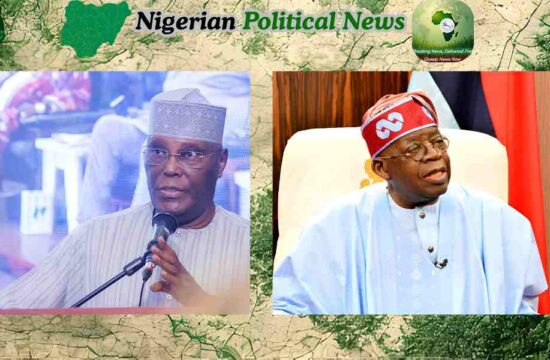
The African Democratic Congress (ADC) has questioned the timing of the Federal Government’s plan to expand Compressed Natural Gas (CNG)-powered transportation and reduce transport fares, accusing the President Bola Tinubu-led administration of playing politics with the hardship facing Nigerians.
The opposition party argued that if the government genuinely intended to ease the burden of rising transportation costs, it should have acted much earlier rather than treating the issue as an emergency with the 2027 election approaching.
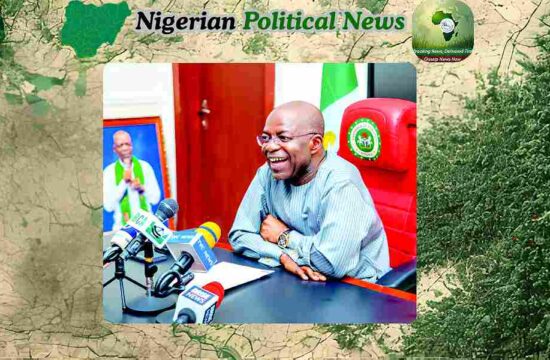
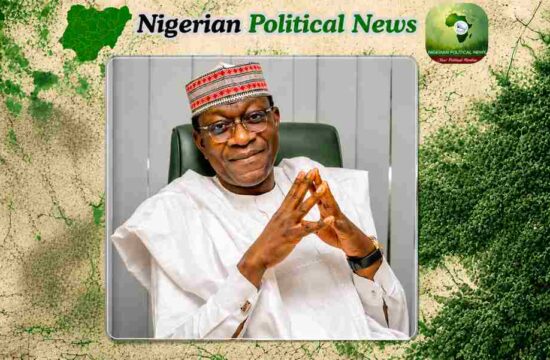
The ADC made its position known in a statement issued on Friday, August 28, by its National Publicity Secretary, Bolaji Abdullahi.
What Happened?
The party was reacting to President Tinubu’s recent meeting with state governors over measures aimed at reducing transportation costs.
The measures include efforts to expand CNG-powered transportation and the use of electric vehicles as part of attempts to bring down transport fares.
The development prompted criticism from the ADC, which questioned why similar measures were not deployed on a larger scale when the removal of the petrol subsidy first contributed to higher transportation costs.
According to the opposition party, the government’s renewed attention to cheaper transportation has come after Nigerians had already endured high transport fares and other economic pressures for several years.
Key Players
President Bola Tinubu and the Federal Government are at the centre of the latest transportation intervention.
The ADC, through its National Publicity Secretary, Bolaji Abdullahi, has criticised the timing of the measures.
Atiku Abubakar, the ADC’s presidential candidate, also features in the party’s argument because the opposition party linked the government’s renewed focus on transportation costs to Atiku’s proposal for a targeted production subsidy.
State governors are also involved in the latest discussions following Tinubu’s meeting with them on measures to reduce transportation costs.
ADC Questions Timing Of CNG Intervention
The ADC argued that the government should have introduced measures to reduce transportation costs much earlier.
The party questioned why CNG-powered buses were not rapidly deployed when Nigerians first began experiencing the effects of higher transport fares following the removal of the petrol subsidy.
Abdullahi asked why the government had waited until now before considering measures capable of making transportation cheaper.
“They left the people to suffer for three years, and now that the election approaches, they suddenly realise that they could make transportation cheaper,” the party said.
The ADC added:
“If CNG buses can provide cheaper transportation today, why were they not rapidly deployed when Nigerians first began to pay the heavy price for their wrong-headed subsidy removal policy?”
ADC Links Move To Atiku’s Subsidy Proposal
The opposition party also connected the government’s latest intervention to Atiku’s proposal to introduce a targeted production subsidy.
According to the ADC, the proposal had made the rising cost of living and the need for targeted intervention a major part of the national political conversation.
Abdullahi therefore questioned whether the government’s renewed attention to transportation costs was influenced by the opposition’s position.
“Why did it take Atiku’s subsidy plan for this government to suddenly start running helter-skelter and to realise the need to bring down the cost of transportation?” he asked.
The ADC maintained that Nigerians would be able to distinguish between measures introduced to genuinely address economic hardship and those it described as politically motivated.
What The Party Said About Nigerians’ Hardship
The opposition party argued that Nigerians had spent the past three years dealing with high transportation costs, rising food prices and declining purchasing power.
According to the ADC, the government had been aware of these challenges but failed to introduce the kind of intervention now being announced.
“For three years, Nigerians complained about transport fares, food prices and collapsing purchasing power. The government told them to endure.”
The party continued:
“Now that the election is approaching, the same government has suddenly discovered that transportation is too expensive and government intervention is necessary. That is not leadership. That is cynical politics.”
The ADC further argued that the government’s ability to introduce the latest measures suggested that similar interventions could have been implemented earlier.
“No doubt, if these interventions are possible now, they were possible,” the party said.
It argued that the difference was that the government had not previously considered it necessary to provide greater support to Nigerians facing economic hardship.
The Political Dispute
The central disagreement is not over whether transportation costs should be reduced, but over the timing and motivation behind the government’s latest intervention.
The Federal Government’s measures are presented in the source as an attempt to reduce transportation costs through CNG-powered transportation and electric vehicles.
The ADC, however, interprets the timing differently, arguing that the intervention has come after years of economic hardship and as the 2027 election draws closer.
The party therefore sees the latest measures through a political lens, particularly in light of Atiku’s position on subsidy and the growing political debate over the cost of living.
The source does not include a response from the Presidency or the APC to the ADC’s allegations. The claims about the government’s motives should therefore remain attributed to the opposition party rather than presented as established facts.
Current Situation
The government’s recent transportation initiative has now become part of the wider political debate ahead of the 2027 election.
While the administration is pursuing measures involving CNG and electric vehicles to reduce transportation costs, the ADC is challenging the timing of the intervention and questioning why similar action was not taken earlier.
The party has also argued that the government’s latest response does not represent a sudden discovery of Nigerians’ hardship, but rather a reaction to increasing political pressure.
Editorial Analysis
The ADC’s criticism centres on a simple political question: if the government can intervene to reduce transportation costs now, why did similar action not come earlier?
The party uses the timing of the intervention to support its argument that the approach is connected to the approaching election.
Its position also connects transportation policy to the wider debate over subsidy, particularly Atiku’s proposal for a targeted production subsidy.
However, the timing alone does not independently establish the government’s motive. The ADC’s interpretation remains a political allegation made in response to the Federal Government’s latest measures.
What is clear from the statement is that transportation costs have become another point of contention between the governing camp and the opposition as political attention increasingly turns towards 2027.
Political Implications
The dispute could further place economic hardship at the centre of political arguments ahead of the 2027 election.
Transportation costs affect households directly, making government measures intended to reduce fares politically significant as well as economically important.
For the ADC, the timing of the CNG intervention provides an opportunity to question the government’s handling of the economic difficulties Nigerians have experienced since the removal of the petrol subsidy.
The party’s criticism also shows how Atiku’s proposed targeted subsidy is being incorporated into the opposition’s broader argument over the government’s economic policies.
As a result, transportation policy, subsidy and the cost of living are likely to remain closely connected to the political debate surrounding the 2027 election.
ADC’s Strongest Criticism Of Tinubu
The opposition party ultimately accused Tinubu of responding to political pressure rather than directly addressing the hardship Nigerians have faced.
“A president who truly cares would not wait for three years and an approaching election before treating the cost of transportation as an emergency,” the ADC said.
The party concluded that Tinubu’s latest actions were not primarily a response to the suffering of Nigerians, but to the political challenge posed by the ADC and Atiku as the 2027 election approaches.
“One thing is clear, President Tinubu is not suddenly responding to the suffering of Nigerians. He is responding to ADC and Atiku; he is responding to the impending reality of the 2027 election that shows that he has failed on security, failed to create jobs, and failed to bring down the cost of living.”
Future Outlook
The debate over transportation costs is likely to remain part of the political conversation as preparations for the 2027 election continue.
The Federal Government’s ability to implement its CNG and electric-vehicle measures and deliver cheaper transportation will provide the basis for further political scrutiny.
For the ADC, the issue has already become part of a wider argument over the Tinubu administration’s economic record and the timing of its interventions.
The coming months will therefore show how the government’s transportation measures develop and how opposition parties, including the ADC, continue to frame the issue ahead of the 2027 election.