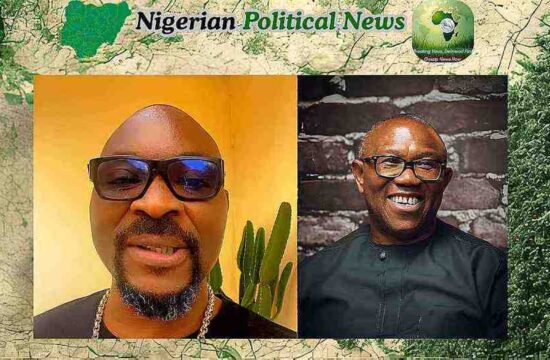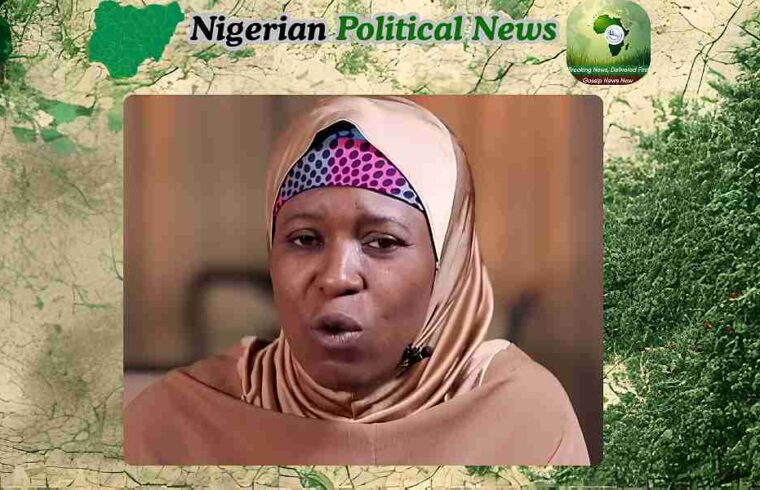
Aisha Yesufu has condemned the reported blockade of Peter Obi’s convoy during his visit to the Yelwata Internally Displaced Persons (IDPs) camp in Benue State.
The human rights activist and member of the Nigeria Democratic Congress (NDC) questioned why any individual or group should prevent a political candidate from moving to a location to carry out campaign-related activities.
In Brief
The controversy followed an incident involving Obi’s convoy during a visit to the Yelwata community, where he was reportedly met by suspected thugs.
Obi said his visit was not for campaign purposes but to sympathise with residents over the loss of lives in the community.
Yesufu subsequently criticised the reported obstruction and argued that political candidates should be able to move freely to different parts of the country.
What Happened?
Naija News reports that suspected thugs attacked Obi’s convoy while he was visiting the Yelwata community in Benue to sympathise with residents over the loss of some members of the community.
The incident occurred during Obi’s visit to the area, which included plans to visit the Yelwata IDP camp.
Obi later clarified that the purpose of his visit was not to campaign but to pay a solidarity visit to those affected by the tragedy.
The development subsequently drew a reaction from Yesufu, who questioned the reported attempt to prevent Obi from accessing the location.
Her comments focused on the broader issue of whether political candidates should be restricted from moving to particular parts of the country during an election period.
Key Players
Aisha Yesufu is a human rights activist and member of the Nigeria Democratic Congress who reacted publicly to the reported incident.
Peter Obi is the NDC presidential candidate whose convoy was reportedly attacked during the visit to Yelwata.
The incident also involved suspected thugs who, according to the report, attacked Obi’s convoy during his visit to the community.
What They Said
Reacting to the development in a statement on 𝕏, Yesufu questioned the authority of anyone attempting to stop a political candidate from travelling to a particular part of the country.
She said:
“How dare anybody stop anyone from moving to any part of the country to campaign?”
Yesufu further questioned how such restrictions could occur after the Independent National Electoral Commission (INEC) had declared that campaigning had commenced.
She added:
“The Independent National Electoral Commission, INEC, has declared that the campaign has started. How can someone stop another from doing whatever it is that they need to do?”
Political Background
Yesufu’s comments also come against the backdrop of her previous explanations about her political choices.
In an interview with the Kaa Truth podcast, she explained why she did not regret voting for the All Progressives Congress (APC) in the 2015 election.
According to Yesufu, her decision was not primarily based on Buhari himself. Rather, she said she was influenced by expectations that Yemi Osinbajo would take on important responsibilities, particularly in managing the Nigerian economy.
Yesufu said her understanding at the time was that Buhari had a history of delegating responsibilities, pointing to the relationship between former military head of state Muhammadu Buhari and Tunde Idiagbon.
She explained that the expected role of Osinbajo was a major reason behind her decision to support the APC ticket in 2015.
Editorial Analysis
The controversy surrounding Obi’s visit highlights the sensitivity surrounding political activity and movement during an election period.
Yesufu’s reaction focuses on the principle that political candidates should be able to travel to different parts of the country and engage with citizens without being prevented from doing so by individuals or groups.
At the same time, Obi’s clarification that the Yelwata visit was intended as a solidarity visit rather than a campaign appearance adds another dimension to the dispute.
The immediate issue, therefore, is not only the reported incident involving his convoy but also the competing descriptions of the purpose and circumstances surrounding the visit.
Political Implications
The development could add to tensions surrounding political activity as parties and candidates engage with voters and communities.
Yesufu’s comments place the incident within a wider discussion about political access and the ability of candidates to move around the country during the campaign period.
For Obi, the reported obstruction of his convoy during a visit to a community affected by loss has also brought renewed attention to the circumstances surrounding his political engagements.
The episode illustrates how incidents involving political candidates can quickly become broader political controversies when questions are raised about campaign activities, access and movement.
Editorial Wrap-Up
The reported incident at Yelwata has generated criticism from Yesufu, who questioned why anyone should prevent a political candidate from moving to a particular part of the country.
While Obi said his visit was intended to express solidarity with affected residents rather than campaign, the incident has nevertheless become a subject of political discussion.
Yesufu’s intervention adds to that debate, while her previous explanation of her 2015 voting decision provides additional context about her political views and her assessment of political leadership.