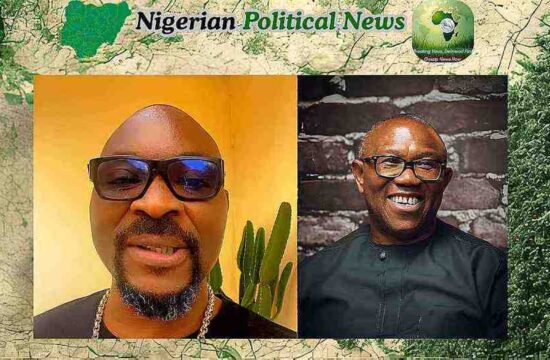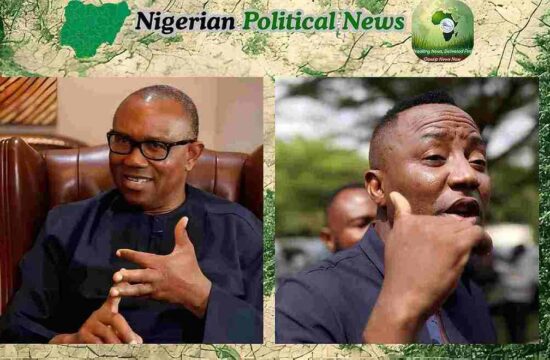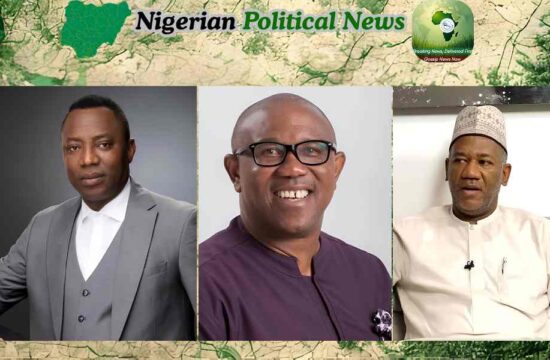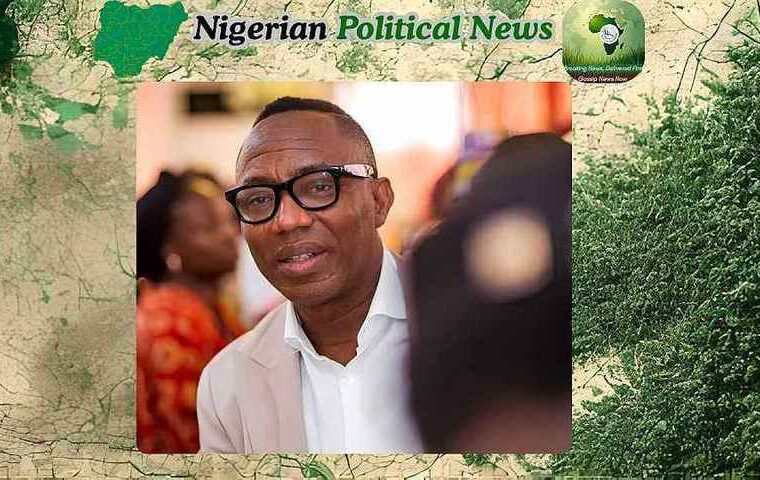
Omoyele Sowore, the African Action Congress (AAC) presidential candidate, has accused Peter Obi and former Labour Party vice-presidential candidate Datti Baba-Ahmed of maintaining ties with Nigeria’s military establishment.
Sowore made the allegations during an interview with ARISE Television on Tuesday, where he questioned the political positions of Obi and Datti and their relationship with former military leaders.
Key Facts
- Sowore described Obi and Datti as “military apologists” and alleged that both have connections to former military leaders.
- He characterised Obi as an “Abacha boy” and Datti as a “Babangida person.”
- Sowore also questioned the nature of the relationship between opposition politicians and President Bola Tinubu.
- He referred to a 2023 peace agreement signing event involving presidential candidates as an example of what he described as a contrast between public political rhetoric and private conduct.
- The allegations and interpretations in the report were made by Sowore during the ARISE Television interview.
What Happened?
Sowore’s comments centred on what he described as longstanding relationships between some Nigerian politicians and the country’s former military leadership.
He alleged that Obi and Datti had links to the military establishment and argued that their political conduct reflected a willingness to seek approval or validation from former military figures.
Sowore extended the argument to their relationship with Tinubu, recalling a 2023 peace agreement signing event at which several presidential candidates were present.
According to his account, Datti was seated next to him at the event while occupying a seat intended for Obi. Sowore said Tinubu was also present and recalled Datti addressing him as “Uncle.”
Sowore said he viewed Datti’s conduct at the event alongside the public criticism of Tinubu coming from opposition figures during the election period.
He subsequently described what he regarded as a contradiction between the candidates’ public political positions and their interactions with Tinubu at the event.
Key Players
Omoyele Sowore is the AAC presidential candidate and the politician making the allegations at the centre of the report. His argument focuses on what he considers connections between opposition politicians and Nigeria’s political and military establishment.
Peter Obi was the Labour Party’s presidential candidate in the 2023 election. Sowore included Obi among the politicians he accused of having links to former military leaders.
Datti Baba-Ahmed was Obi’s running mate on the Labour Party ticket in the 2023 presidential election. Sowore’s criticism of Datti includes both his alleged relationship with former military figures and his conduct toward Tinubu at the 2023 event.
Bola Tinubu was a presidential candidate at the time of the 2023 event and is now Nigeria’s president. His interaction with Datti and other political figures forms part of Sowore’s account of the occasion.
Sowore’s Main Argument
Sowore argued that the political relationships of Obi and Datti should be examined alongside the positions they presented publicly during the 2023 election.
He alleged that the two politicians had different relationships with members of the political and military establishment from what their public political messaging suggested.
Sowore particularly focused on what he said he observed at the 2023 peace agreement signing event. In his account, opposition candidates who publicly discussed defeating Tinubu later interacted cordially with him at the gathering.
He said this contrast led him to question whether the political disagreements presented to the public reflected the relationships among the politicians involved.
The 2023 Context
The 2023 presidential election brought Obi, Datti and Tinubu into the same political contest, with Obi and Datti representing the Labour Party and Tinubu contesting for the presidency.
Sowore’s latest comments revisit that period through his recollection of a peace agreement signing event involving the presidential candidates.
According to Sowore, he remained separate from the group when the event ended, while Obi, Datti, Dan Nwanyanwu and others waited to greet Tinubu.
His account of the encounter is now being used by Sowore to support his broader argument about the relationships among prominent political figures.
The significance of the event, however, is presented in the supplied report through Sowore’s interpretation of what he witnessed, rather than as an independently established conclusion about the political relationships of the individuals involved.
What Sowore Said
Sowore described Obi and Datti as “military apologists” and alleged that both had connections to former military leaders.
“They are all Abacha’s boys; Datti was a Babangida person, Peter Obi is an Abacha boy, and they all worked with the military.”
He also questioned the relationship between opposition politicians and Tinubu, recalling Datti’s interaction with the president at the 2023 event.
“When Tinubu walked in, and Datti was calling Tinubu ‘Uncle.’ He was almost kneeling down for Tinubu.”
Sowore said the interaction appeared inconsistent with the public criticism of Tinubu that he had heard from political opponents during the election campaign.
He recalled that after the event, he left without waiting to greet Tinubu, while other political figures remained behind.
Editorial Analysis
The dispute highlights the difference between political rhetoric and political interpretation.
Sowore’s account relies heavily on his reading of relationships and conduct at a public political event. While he interprets Datti’s interaction with Tinubu as evidence of a relationship that differed from the public political confrontation of the 2023 campaign, the supplied report does not independently establish that conclusion.
Political figures can maintain personal, familial or longstanding relationships while simultaneously competing against one another politically. An interaction at a public event, therefore, does not by itself establish the absence or presence of genuine political disagreement.
The central issue raised by Sowore is instead how voters should interpret the relationships and conduct of politicians when their public positions appear different from their interactions outside campaign settings.
Political Implications
The allegations could add to continuing disagreements among opposition politicians over the conduct and alliances of political figures who contested the 2023 presidential election.
Sowore’s comments also place renewed attention on the relationships among major political actors who publicly occupied opposing positions during that election.
For opposition politics, disputes over past relationships can become relevant when politicians attempt to explain their previous decisions, alliances and public positions.
The episode also illustrates how political figures can interpret the same public encounter differently, particularly when it is later used to support competing arguments about political credibility and alignment.
Political Significance
At the centre of Sowore’s criticism is a broader question about how Nigerian voters should assess political relationships: should public political positions be judged separately from the personal and political relationships that exist outside campaign rhetoric?
Sowore has used his recollection of the 2023 event to argue that there was a gap between the public opposition to Tinubu and the conduct he witnessed among some of the politicians involved.
Whether that interpretation is accepted or disputed, the controversy places the focus on the continuing debate over political alliances, opposition credibility and the relationships that shape Nigeria’s political landscape.