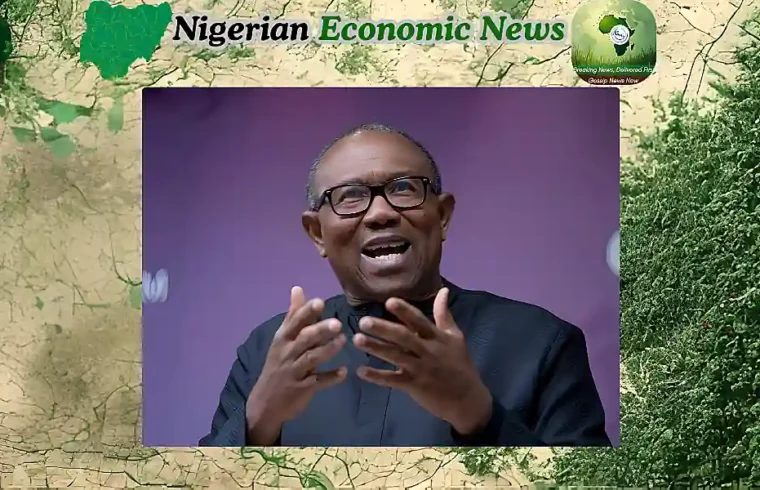
A dispute over Anambra State’s finances has resurfaced after former Governor Peter Obi rejected claims that his administration left behind unpaid debts, contractor liabilities, salaries, gratuities and pensions.
Obi said he was prepared to stop campaigning for the 2027 presidency if anyone could establish the allegations against his administration, while pointing to financial records and funds he said remained available when he handed over power.
At the centre of the dispute is a ₦2 billion ecological fund, which Obi said was not spent by his administration and remained intact for the government that succeeded him.
Quick Takeaways
- Peter Obi has denied claims that his administration left Anambra State with unpaid salaries, pensions, gratuities and certified contractor liabilities.
- He said historical gratuities and arrears worth more than ₦35 billion had been liquidated during his tenure.
- Obi said a ₦2 billion ecological fund released shortly before the end of his administration was left untouched.
- He claimed the fund had a balance of more than ₦2.13 billion at the point in question.
- Obi also said his administration left more than ₦75 billion in savings.
- The Anambra State Government has maintained that it inherited financial obligations from previous administrations.
- The competing claims raise questions about the documentary records behind the state’s historical financial position.
What Exactly Is Being Disputed?
The immediate dispute concerns what financial obligations were left behind when Peter Obi completed his tenure as Anambra State governor.
According to the claims cited in the source report, the state government has said it continues to deal with loans and other obligations inherited from previous administrations, including those of Obi and former Governor Willie Obiano.
The State Commissioner for Finance, Izuchukwu Okafor, reportedly discussed the state’s financial position while speaking on the Ndi Anambra podcast released by the state government’s New Media team.
The commissioner said the inherited obligations remained part of the state’s financial commitments, while also stating that the Chukwuma Soludo administration had not taken fresh commercial bank loans since coming into office.
The issue therefore goes beyond a single loan.
It concerns the broader question of what liabilities and financial resources were actually transferred from one administration to another.
Obi’s Financial Position At Handover
Obi strongly rejected the allegations.
In a personally signed statement, he said his administration had cleared historical gratuity and salary arrears and did not leave unpaid salaries, pensions or gratuities at the point of handover.
He also said his administration did not owe contractors for projects that had been properly executed and certified.
According to Obi, more than ₦35 billion in historical gratuities and arrears had been systematically liquidated during his administration.
His argument is therefore that the financial position he left behind should not be characterised as one involving the unpaid obligations being attributed to his tenure.
The ₦2.13bn Ecological Fund Question
One of the most specific financial issues raised by Obi concerns the ecological fund.
He said the ₦2 billion allocation was released only about three months before the end of his tenure to address the Oko/Umuchiana erosion crisis.
Rather than spend the money shortly before leaving office, Obi said he decided to leave it for his successor because the funds had been earmarked for a specific project.
The former governor said the money remained intact in a First Bank account, which he said had a balance of more than ₦2.13 billion.
Key Figure: More Than ₦2.13bn
Peter Obi’s claim: The ecological fund remained intact at the point of handover and was not used by his administration.
That figure is central to his response because it provides a specific financial claim that can potentially be examined against official banking and government records.
Obi Also Cites More Than ₦75bn In Savings
Beyond the ecological fund, Obi said his administration left an additional ₦75 billion-plus in savings.
He stressed that funds already tied to specific projects or reserved for particular purposes were separate from the savings figure.
The claim is significant because it presents a sharply different picture of Anambra’s financial position from the allegation that the administration left behind substantial unpaid obligations.
However, the competing claims should remain clearly separated.
The Anambra State Government’s position and Obi’s response are not the same thing as independently verified financial findings.
The documentary evidence behind the respective positions would be required to establish the complete financial picture.
What The State Government Has Said
The state government’s position, as presented in the source report, is that Anambra continues to repay loans obtained by previous administrations.
Commissioner for Finance Izuchukwu Okafor said those inherited loans remained among the state’s financial commitments.
He also explained that the current administration had focused on managing existing obligations rather than taking new commercial bank loans.
That position provides the basis for the broader claim that previous administrations contributed to financial obligations that remained relevant to the current government.
But the specific allegations concerning the ₦2 billion ecological fund, unpaid salaries, pensions, gratuities and contractor liabilities require separate examination.
Why The Financial Evidence Matters
State debt disputes can become politically charged because the financial position inherited by one administration can influence how the public assesses both the outgoing and incoming governments.
But public finance ultimately depends on records rather than competing political descriptions.
For this reason, the most important evidence in the Anambra dispute would include official financial statements, loan documentation, government accounts, payment records and other records capable of showing the state’s actual obligations and available funds at the relevant point in time.
The Economics Architecture Library requires economic reporting to distinguish between what happened, what officials claim happened and what remains uncertain.
That distinction is particularly important in this case because the source material contains competing claims but does not independently establish the complete financial position.
What Would Settle The Dispute?
The strongest way to resolve a dispute of this nature would be through documentary evidence that can establish:
- Which loans were actually obtained by the relevant administration.
- The amounts involved and the dates they were obtained.
- Which liabilities remained outstanding at handover.
- Whether salaries, pensions and gratuities had been fully settled.
- The status of certified contractor obligations.
- The balance and designated purpose of the ecological fund.
- The financial position of the state at the point of transfer between administrations.
That approach would move the debate away from political assertions and toward verifiable public-finance records.
Frequently Asked Questions
What debt claims did Peter Obi reject?
Obi rejected claims that his administration left Anambra with debts including an ecological loan, contractor liabilities and unpaid salaries, gratuities and pensions.
What did Peter Obi say about the ₦2 billion ecological fund?
He said the fund was released shortly before the end of his tenure for the Oko/Umuchiana erosion crisis and that he decided not to spend it, leaving it for the incoming administration.
How much did Obi say remained in the ecological fund?
Obi said the First Bank account holding the fund had a balance of more than ₦2.13 billion.
How much savings did Obi say his administration left?
He claimed that his administration left more than ₦75 billion in savings, excluding funds already tied to specific projects or designated purposes.
Did Obi say his administration left unpaid salaries and pensions?
No. Obi said that at the point of handover, Anambra owed nothing in salaries, gratuities or pensions.
What did the Anambra State Government say?
The state government, through its Commissioner for Finance, Izuchukwu Okafor, said the administration was still dealing with financial obligations inherited from previous administrations.
Has the dispute been independently settled?
The article’s source material does not establish an independent resolution of the competing claims. The financial records cited by the parties would need to be examined to determine the complete position.
The Public-Finance Question Going Forward
The argument over Peter Obi’s Anambra financial record is ultimately bigger than the political challenge to stop campaigning.
It raises a basic public-finance question: What exactly was transferred from one administration to the next?
If the state’s financial records support Obi’s account, they would provide documentary backing for his claim that significant funds were left available and that the liabilities attributed to his administration were not outstanding at handover.
If the records support the opposing position, they would provide evidence for the claim that significant obligations were inherited.
For now, the source material establishes a clear dispute but does not independently resolve it. The decisive issue remains the financial documentation behind the competing claims.
Obi’s Challenge
Obi ended his response with a direct challenge, saying:
“If anybody can establish anything to the contrary, I will stop campaigning.”
The statement places the burden of the political argument on evidence, but the wider economic question remains one that can ultimately be answered through verifiable public financial records.
What Do You Think?
Do you think disputes over the financial position inherited by successive governments should be settled primarily through audited records and official financial documents rather than political statements? Share your thoughts in the comments.
© 2025 Gossip News Now, a division of CHIEJOS HARBIAN DIGITAL MEDIA LTD.
Contact us via admin@gossipnewsnow.online