Key Takeaways
-
Dele Momodu says he will not contest for Nigeria’s presidency again.
-
He claims he spent approximately ₦50 million purchasing a presidential nomination form.
-
He says he received only one vote during the primary, which was his own.
-
Momodu alleged that some aspirants offered delegates $30,000 each.
-
He questioned how candidates without enormous financial resources could compete in such an environment.
-
His comments have brought renewed attention to the issue of money and internal party democracy in Nigeria.
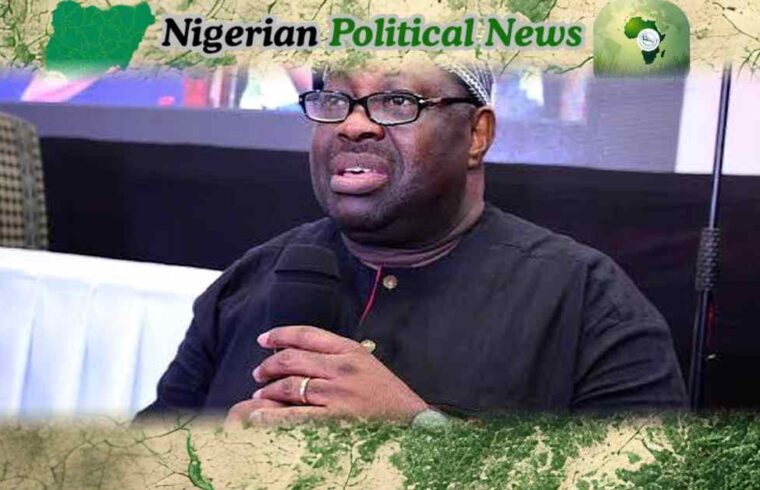
Dele Momodu has ruled out another attempt at Nigeria’s presidency, citing the financial demands of securing a presidential ticket and competing in party primaries.
The publisher of Ovation Magazine disclosed that his previous presidential ambition came at a significant financial cost, claiming that he spent approximately ₦50 million on a nomination form but received only one vote during the primary.
Speaking on the Keys to Keys podcast, the African Democratic Congress (ADC) chieftain also alleged that some presidential aspirants offered delegates as much as $30,000 each, describing the financial demands of the process as difficult to compete with.
What Happened During Dele Momodu’s Presidential Bid?
Momodu explained that his experience during the presidential primary was a major reason behind his decision not to seek the country’s highest political office again.
According to the veteran journalist, purchasing the presidential nomination form required an expenditure of approximately ₦50 million. However, he claimed that the investment did not translate into meaningful support during the party’s delegate voting process.
He disclosed that he received just one vote, which he said came from himself.
The experience, according to Momodu, made him reconsider the financial implications of pursuing his presidential ambition, particularly when compared with other potential uses of the money.
He suggested that the amount spent on the nomination form could have been invested in property instead.
The Figures Behind Momodu’s Allegations
The financial aspect of Momodu’s account was a major feature of his interview, particularly his claims about the amount of money allegedly offered to delegates during the presidential primary.
He alleged that certain aspirants were prepared to spend substantial sums to secure delegates’ support.
The figures he mentioned include:
-
₦50 million: The amount Momodu says he spent purchasing his presidential nomination form.
-
One vote: The total number of votes he says he received, including his own.
-
774 delegates: The number of delegates referenced in his account.
-
$30,000: The amount he alleged some aspirants offered individual delegates.
-
$500 million: The amount he cited when describing the financial resources required to compete against wealthy presidential aspirants.
These figures represent Momodu’s account of his experience and allegations during the interview. They should not be interpreted as independently verified payments or confirmed campaign expenditure.
What Dele Momodu Said About His Decision
Explaining why he would not pursue another presidential campaign, Momodu expressed frustration with the financial demands he believes have become part of Nigeria’s political nomination process.
He maintained that he could not compete with aspirants prepared to commit enormous financial resources to secure political support.
The following is Momodu’s statement from the interview:
Dele Momodu’s Statement
“I’m not contesting for president again. I wasted ₦50 million on the nomination form and got just 1 vote, which was from me. Some candidates paid 774 delegates $30,000 each. I can’t compete with people willing to spend $500 million to become president.”
— Dele Momodu, speaking on the Keys to Keys podcast
His comments underline his dissatisfaction with what he described as a political environment in which financial strength can determine the prospects of presidential aspirants during party primaries.
Why Momodu’s Comments Raise Questions About Political Financing
Beyond his personal experience, Momodu’s remarks draw attention to the financial challenges associated with seeking political office in Nigeria.
His account raises questions about how aspiring presidential candidates with limited financial resources can compete against individuals who have access to significantly larger funds.
The allegations about payments to delegates also bring attention to concerns surrounding the influence of money in internal party elections.
However, his claims should be distinguished from established findings about the conduct of the primary. The available account does not independently establish whether the alleged payments occurred or whether all delegates were involved in such arrangements.
Nevertheless, the issue of political financing remains an important subject in discussions about internal party democracy, candidate selection and equal opportunities for political aspirants.
For Momodu, his previous experience appears to have influenced his decision to abandon another attempt at the presidency.
Frequently Asked Questions (FAQ)
1. Why did Dele Momodu say he would not contest for president again?
Momodu said the financial demands of pursuing the presidency, particularly the cost of obtaining a nomination form and competing during party primaries, discouraged him from contesting again.
2. How much did Dele Momodu spend on his presidential nomination form?
He claimed that he spent approximately ₦50 million purchasing the nomination form.
3. How many votes did Dele Momodu receive during the presidential primary?
According to Momodu, he received one vote, which he said was his own.
4. What did Dele Momodu allege about payments to delegates?
He alleged that some presidential aspirants offered individual delegates as much as $30,000 during the primary.
5. Where did Dele Momodu make the statement?
He made the remarks while speaking on the Keys to Keys podcast.
Final Editorial Wrap-Up
Dele Momodu’s decision not to pursue another presidential campaign follows what he described as a costly and disappointing experience during his previous attempt to secure a party nomination.
His account has also highlighted concerns about the financial demands associated with presidential primaries and the ability of less financially powerful aspirants to compete.
While his allegations about payments to delegates have not been independently established in the material available for this report, his comments have placed political financing and internal party democracy back in focus.