Political tensions in Rivers State have escalated further following new allegations suggesting that the ongoing impeachment effort against Governor Siminalayi Fubara may be tied to a broader political contest for control of the state’s leadership structure.
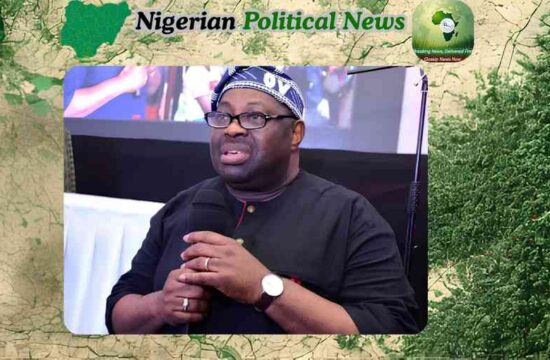
The claims were raised by political commentator Baba Yusuf, who argued that the crisis has evolved beyond routine legislative disagreement into a deeper struggle involving influential political actors.
Analyst Alleges Strategic Political Motive
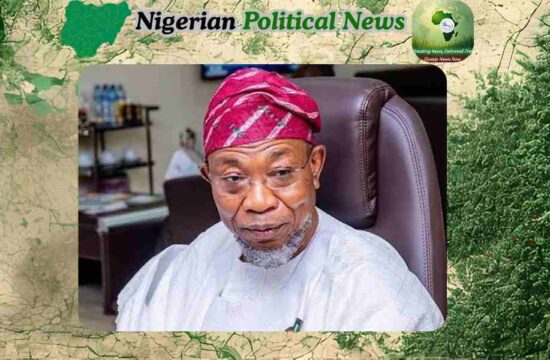
During a televised discussion, Yusuf suggested that Federal Capital Territory Minister Nyesom Wike is playing a central role in the unfolding developments. According to him, impeachment proceedings against both the governor and his deputy form part of a calculated political plan rather than an isolated constitutional exercise.
He described the situation as an intense power confrontation, warning that the dispute has reached a level capable of destabilizing governance if left unresolved.
At another point in his remarks, Yusuf implied that the political battle reflects lingering divisions within the state’s ruling structure.
Mediation Efforts Yet to Ease Tension
Despite reported intervention attempts by President Bola Tinubu, the analyst noted that reconciliation efforts have so far failed to calm the situation. He referenced discussions suggesting that extraordinary measures were considered at the federal level in order to restore stability.
According to Yusuf, the persistence of political hostility indicates that negotiations have not addressed underlying disagreements among key stakeholders.
Assembly Dynamics Add to Uncertainty
The Rivers State House of Assembly itself has become a focal point of controversy. Yusuf pointed out that shifting alliances among lawmakers have created confusion, with positions reportedly changing within short periods.
Such political reversals, he argued, contribute to an unpredictable environment where legislative decisions appear fluid rather than firmly settled.
Constitutional Succession Debate
Explaining the constitutional implications, Yusuf highlighted provisions within the 1999 Constitution outlining succession procedures if both a governor and deputy governor are removed from office.
Under those rules, the Speaker of the House of Assembly would assume the role of acting governor. He suggested that this legal pathway forms the strategic foundation behind the impeachment push, alleging that installing a loyal political figure could be the intended outcome.
The analyst specifically referenced Speaker Martin Amaewhule as the potential beneficiary if the process were completed successfully.
Commentary & Analysis: Politics, Power, and Constitutional Tools
The Rivers crisis illustrates how constitutional mechanisms such as impeachment can become instruments within larger political contests. While impeachment exists as a legitimate accountability process, its use during intense political rivalry often raises questions about motive versus legality.
Analysts note that accusations alone do not establish responsibility, yet they reflect growing polarization within the state’s political landscape. The situation also demonstrates how succession rules embedded in democratic systems can influence political calculations during moments of instability.
Ultimately, Rivers State appears caught between constitutional procedure and political competition. Whether the crisis moves toward resolution through negotiation, judicial intervention, or continued confrontation may determine not only the fate of the current administration but also the future balance of political power in the state.
© 2025 Gossip News Now , a division of CHIEJOS HARBIAN DIGITAL MEDIA LTD. Contact us via admin@gossipnewsnow.online