

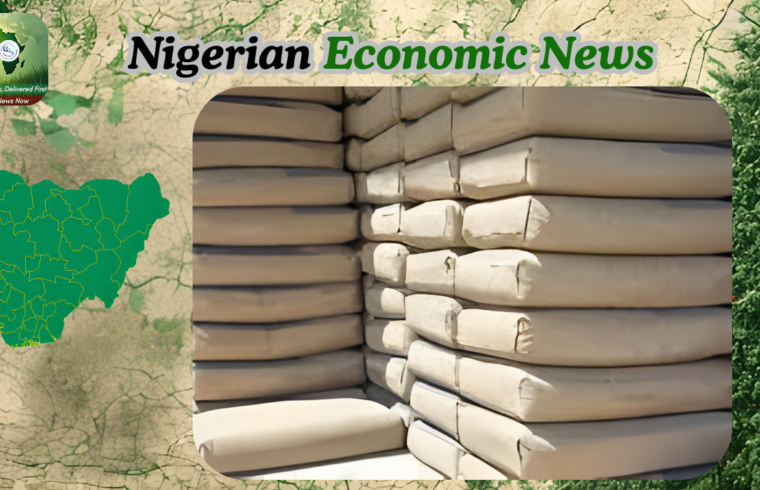
Construction costs across Nigeria have risen once more following another increase in cement prices in several markets nationwide.
Traders and buyers have reported that the price of a standard 50kg bag of cement has moved higher this week, adding fresh pressure on developers, contractors, and households handling building projects.
Latest Cement Prices Across Major Markets
Recent market surveys indicate that cement which previously sold for around ₦10,500 per bag is now commonly priced near ₦11,000 in many locations.
The latest increase affects several leading brands within the Nigerian construction market.
Popular manufacturers including Dangote Cement, BUA Cement, and Mangal Cement are all reportedly trading within similar price ranges across different states.
The upward movement has continued fueling concerns among builders already struggling with high material costs.
Construction Sector Feeling Economic Pressure
The rise in cement prices is coming at a difficult time for Nigeria’s construction industry.
Contractors, property developers, and private homeowners are already battling inflation, expensive transportation, and unstable energy costs.
For many ongoing projects, even small increases in cement prices can significantly affect total construction budgets.
Manufacturing Costs Continue To Increase
One of the biggest factors driving cement price increases remains the rising cost of production.
Cement manufacturing depends heavily on electricity, gas, diesel, and other energy sources required to power factories and machinery.
As fuel and power expenses continue climbing, manufacturers often transfer the additional costs to distributors and consumers.
According to Gossip News Now, the growing operational burden within the manufacturing sector is becoming increasingly difficult for producers to absorb.
Exchange Rate Problems Affect Cement Industry
The weakening value of the naira has also contributed to rising cement prices nationwide.
Several spare parts, industrial materials, and production inputs used within cement factories are imported from foreign markets.
As exchange rates fluctuate, the cost of importing these materials rises sharply, increasing final production expenses.
Transport And Logistics Costs Push Prices Higher
Another major issue affecting cement prices is transportation.
Moving cement from production plants to warehouses and retail outlets requires extensive trucking and logistics operations.
With diesel prices, vehicle maintenance costs, and transport charges all increasing, distributors are forced to adjust market prices upward.
Security concerns on some highways have also contributed to delivery delays and higher logistics expenses.
Demand From Construction Projects Remains Strong
Despite rising prices, demand for cement across Nigeria remains high due to ongoing private and public construction projects.
Infrastructure development, residential housing, and commercial building activities continue driving strong market demand.
Industry observers say that when supply struggles to fully match demand, price increases often follow.
Supply Chain Challenges Still Affect Market Stability
The cement sector has also experienced periodic supply chain disruptions capable of influencing market prices.
Port delays, shortages of raw materials, and logistical bottlenecks occasionally limit product availability in some regions.
These disruptions can create temporary scarcity, further increasing retail prices in affected markets.
Builders And Homeowners Feeling The Impact
Although the latest increase may appear relatively small per bag, the cumulative effect on large construction projects is significant.
Developers handling projects requiring hundreds of cement bags may now face millions of naira in additional expenses.
For many households attempting to complete personal building projects, the rising cost of materials continues slowing progress and stretching budgets.
Commentary And Analysis
The latest rise in cement prices reflects broader economic pressures affecting Nigeria’s manufacturing and construction sectors.
Factors such as inflation, exchange rate instability, fuel costs, and logistics challenges continue combining to push building expenses upward nationwide.
The situation also highlights the growing difficulty faced by developers and ordinary Nigerians trying to complete housing and infrastructure projects amid an increasingly expensive economic environment.