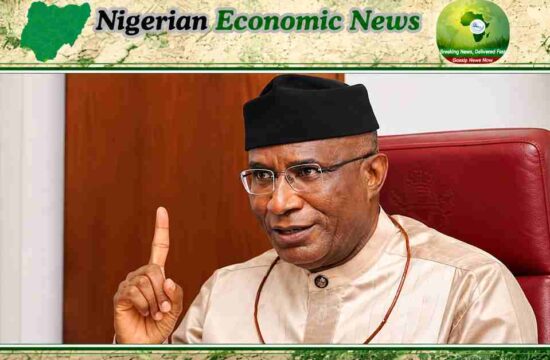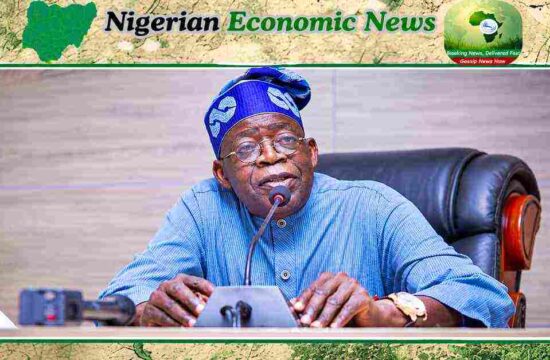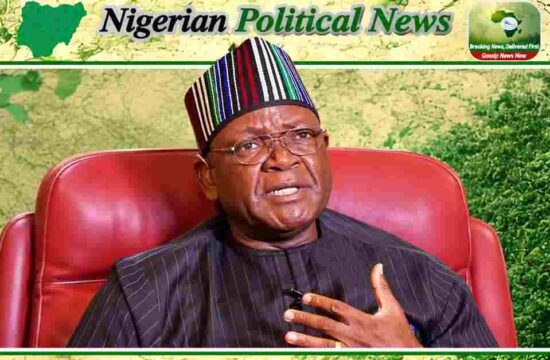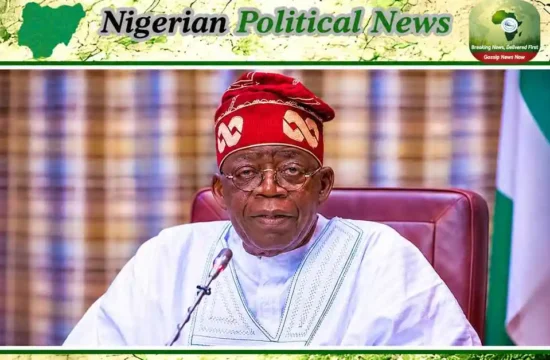
ADC chieftain Kenneth Okonkwo has criticised the economic policies of President Bola Tinubu, alleging that the Federal Government is borrowing heavily despite the removal of the petrol subsidy and questioning whether the resulting fiscal gains are translating into infrastructure and other public benefits.
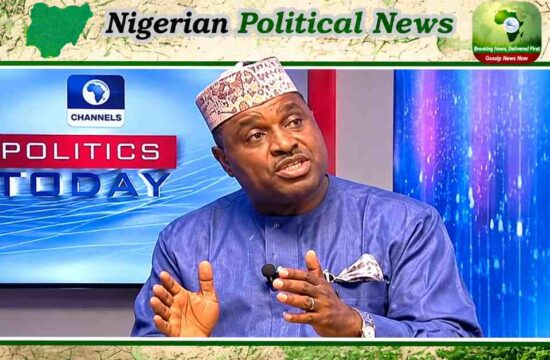
Okonkwo made the claims during an interview on Channels Television’s Politics Today, where he also raised concerns about Nigeria’s debt burden, electricity tariffs and the condition of public infrastructure.
Key Takeaways
- Kenneth Okonkwo accused the Tinubu administration of excessive borrowing.
- He questioned how revenue associated with the removal of the petrol subsidy was being used.
- Okonkwo cited what he described as ₦166.6 trillion in debt under the Tinubu administration.
- He argued that Nigerians had not seen sufficient improvements in infrastructure and public services.
- The ADC chieftain compared the current approach with previous subsidy-related programmes, including the Petroleum Trust Fund (PTF) and SURE-P.
- His statements represent his criticism of the administration, rather than an independent assessment of Nigeria’s debt sustainability or government spending.
Okonkwo Questions Nigeria’s Borrowing and Debt Burden
At the centre of Okonkwo’s criticism is his argument that the government is continuing to borrow while Nigerians are yet to see what he considers sufficient improvements in public infrastructure.
He questioned the relationship between government revenue, borrowing and public spending, arguing that the removal of the petrol subsidy should have created greater room for visible development.
Okonkwo described the government’s borrowing approach in strongly critical terms and alleged that the country was being pushed deeper into debt.
He also questioned what he said was the government’s use of public revenue, particularly in light of rising costs faced by Nigerians.
₦166.6 Trillion Debt Claim Forms Part of the Criticism
Okonkwo cited what he described as ₦166.6 trillion in debt under the Tinubu administration while making his argument about government borrowing.
He linked the figure to broader questions about how public resources are being managed.
However, the ₦166.6 trillion figure is presented here as Okonkwo’s stated figure and claim, rather than as an independently established current debt total.
The distinction is important because a public-debt figure needs to be considered alongside its reporting date, composition, exchange-rate effects and the methodology used to calculate total debt.
Nigeria’s Debt Management Office publishes official public-debt figures periodically, making the date and definition attached to any debt figure important when assessing what it represents.
Subsidy Removal Becomes a Major Part of the Argument
Another major part of Okonkwo’s criticism concerns the removal of the petrol subsidy.
He argued that Nigerians had not seen enough infrastructure or social benefits from the savings he associated with the subsidy removal.
The subsidy debate is significant because the policy has been presented by the Federal Government as part of its broader effort to improve Nigeria’s public finances. President Tinubu has said the removal was necessary to address fiscal pressures and create greater room for investment.
Okonkwo’s position differs from that government explanation. His argument is that the removal of the subsidy should have been accompanied by more visible improvements in areas such as electricity, roads and other public infrastructure.
Infrastructure and Public Services Remain Central to His Criticism
Okonkwo specifically pointed to electricity, roads and energy while questioning the benefits Nigerians have received from the government’s economic policies.
His criticism was not limited to infrastructure spending. He also referred to rising electricity tariffs and argued that Nigerians were facing higher costs without seeing corresponding improvements in public services.
The broader issue raised by his comments is whether changes in government revenue and expenditure are translating into improvements that citizens can directly observe.
That question involves more than the amount borrowed by government. It also concerns how revenue is generated, how expenditure is allocated, the cost of servicing existing debt and the projects or programmes ultimately financed with public resources.
Okonkwo Cites Previous Subsidy-Reinvestment Programmes
To support his argument, Okonkwo compared the current approach with programmes introduced under previous administrations.
He cited the Petroleum Trust Fund, established during the administration of former military Head of State Sani Abacha, and the Subsidy Reinvestment and Empowerment Programme (SURE-P) associated with former President Goodluck Jonathan’s administration.
Okonkwo presented those programmes as examples of previous efforts to channel resources associated with subsidy changes into development and social programmes.
The comparison forms part of his political argument about what he believes should happen to resources released by subsidy removal. It does not, by itself, establish whether the programmes produced better or worse economic outcomes than the current approach.
What the Debate Does — and Does Not — Establish
The claims made by Okonkwo highlight a continuing debate over public borrowing, subsidy reform, government revenue and infrastructure spending.
His comments establish his position and the concerns he has raised about the administration’s economic policies. They do not independently establish that government revenue has been squandered, that borrowing is unsustainable or that the administration has failed to invest in infrastructure.
Those questions require examination of official debt figures, government revenue, expenditure records, debt-servicing costs, capital spending and the implementation of specific projects.
The Federal Government has, for its part, continued to describe subsidy removal and other reforms as measures intended to strengthen public finances and create greater fiscal capacity. (State House Abuja)
What to Watch in Nigeria’s Public Finances
The key issues to watch going forward include the country’s official debt position, government revenue, expenditure patterns, debt-servicing obligations and the implementation of infrastructure programmes.
The relationship between subsidy reform and public spending will also remain an important part of the economic debate, particularly as Nigerians assess whether fiscal changes are translating into improvements in transportation, energy and other public services.
Official debt publications from the Debt Management Office provide the relevant benchmark for tracking changes in Nigeria’s public-debt position over time.
Frequently Asked Questions
What did Kenneth Okonkwo say about Tinubu’s borrowing?
Kenneth Okonkwo criticised what he described as excessive borrowing by the Tinubu administration and questioned how government revenue was being used.
What debt figure did Okonkwo mention?
Okonkwo cited what he described as ₦166.6 trillion in debt under the Tinubu administration. The figure is presented in the story as his stated claim rather than an independently established current debt total.
What did Okonkwo say about the petrol subsidy removal?
He argued that Nigerians had not seen sufficient infrastructure and social benefits from the resources he associated with the removal of the petrol subsidy.
Which infrastructure issues did Okonkwo mention?
He referred to electricity, roads, power and energy, arguing that improvements in these areas had not matched what he expected from the government’s economic policies.
Which previous programmes did Okonkwo cite?
He mentioned the Petroleum Trust Fund (PTF) associated with the Sani Abacha era and SURE-P, introduced under the Goodluck Jonathan administration.
Does Okonkwo’s debt figure represent Nigeria’s officially verified current debt?
Not necessarily. In this report, the ₦166.6 trillion figure is attributed to Okonkwo. Official debt figures should be checked against publications from Nigeria’s Debt Management Office, including the reporting date and methodology used.
Why is the subsidy debate connected to government borrowing?
Subsidy policy affects government finances because subsidies require public resources. The debate therefore includes questions about how government revenue and savings are used and whether fiscal reforms create greater capacity for public investment.
Conclusion
Okonkwo’s criticism places government borrowing, public debt, subsidy reform and infrastructure spending at the centre of a wider debate over Nigeria’s economic policies.
His allegations raise questions about how Nigerians should assess the results of fiscal reforms, but determining the effectiveness and sustainability of those policies requires examination of official debt, revenue, expenditure and infrastructure data alongside the competing political claims.
© 2025 Gossip News Now, a division of CHIEJOS HARBIAN DIGITAL MEDIA LTD. Contact us via admin@gossipnewsnow.online.