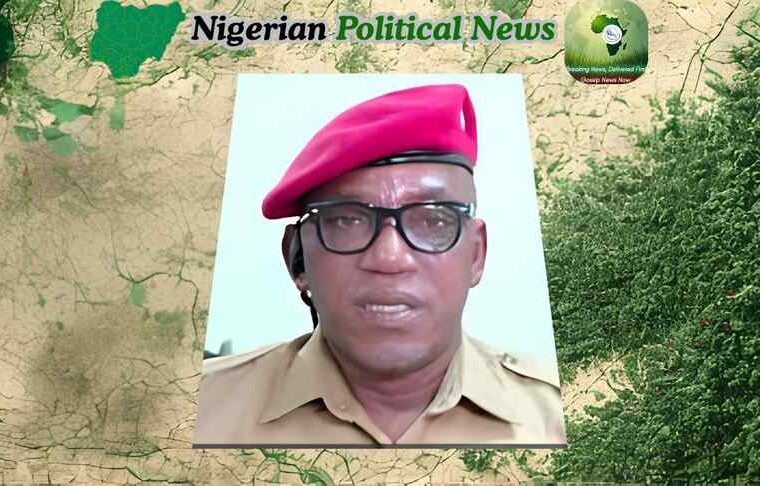
Former Minister of Youth and Sports Development, Solomon Dalung, has called on Plateau State Governor Caleb Mutfwang to withdraw his recent apology to the Igbo community over the role of Plateau people during the Nigerian Civil War, arguing that the governor acted beyond his constitutional and moral authority.
Quick Takeaways
- Solomon Dalung has rejected Governor Caleb Mutfwang’s apology to the Igbo community over the Nigerian Civil War.
- The former minister insists the governor cannot apologise on behalf of all Plateau people.
- Dalung has issued a 72-hour ultimatum demanding that the apology be withdrawn.
- He says the governor should instead apologise to Plateau residents for making the statement.
- The disagreement has reignited public discussion about historical reconciliation and political responsibility.
What Happened
A fresh political debate has emerged in Plateau State following comments made by Governor Caleb Mutfwang during a meeting with Igbo leaders drawn from the state’s 17 local government areas in Jos.
During the engagement, the governor expressed regret over the role played by Plateau people during the 1967–1970 Nigerian Civil War, saying many residents had been influenced into participating in the conflict. He appealed for reconciliation, urging both communities to put past grievances behind them and strengthen their long-standing relationship through peace, unity and mutual understanding.
According to the governor, acknowledging painful moments in history remains an important step toward promoting lasting coexistence between Plateau residents and the Igbo community.
Dalung Rejects Governor’s Position
The governor’s remarks, however, have attracted strong criticism from Solomon Dalung, who believes the apology was inappropriate and exceeded the authority vested in a state governor.
In a statement shared on his Facebook page, the former minister maintained that Caleb Mutfwang neither possesses the constitutional mandate nor the moral authority to apologise on behalf of the entire people of Plateau State over events linked to the civil war.
Dalung argued that issues surrounding the conflict remain deeply rooted in history and cannot be addressed through the personal position of a serving public official. He also maintained that the governor’s statement should not be interpreted as reflecting the collective views of Plateau citizens, many of whom may hold differing opinions because of their personal experiences during the conflict.
72-Hour Ultimatum Issued
Escalating his criticism, Dalung gave Governor Mutfwang a 72-hour deadline to retract the apology made to the Igbo community.
He further demanded that the governor publicly apologise to the people of Plateau State, insisting that the original remarks misrepresented the sentiments of the state’s population.
The former minister argued that elected officials should exercise caution when making statements on historical events that continue to evoke strong emotions among affected communities.
Why the Issue Is Personal to Dalung
While explaining the basis of his objection, Dalung disclosed that the Nigerian Civil War had a direct impact on his family.
According to him, two of his uncles were killed during the conflict. He said the deceased relatives had sponsored his education before their deaths, adding that their loss significantly affected his academic journey and personal life.
Dalung argued that portraying those who participated in the war as individuals who were merely persuaded or manipulated oversimplifies the realities of the conflict and fails to recognise the complex historical circumstances surrounding it.
He maintained that such characterisation risks diminishing the sacrifices made by those who lost their lives during the war.
Debate Over Historical Reconciliation Continues
The disagreement between Governor Caleb Mutfwang and Solomon Dalung has generated wider conversations about how political leaders should approach historical reconciliation in Nigeria.
Supporters of public apologies often argue that acknowledging painful historical events can foster healing and strengthen relationships between communities. Others, however, believe leaders should avoid making declarations that appear to speak for entire populations without broader public consensus, particularly on issues as sensitive as the Nigerian Civil War.
The controversy also highlights continuing national discussions about balancing reconciliation efforts with historical accuracy while respecting the diverse experiences of families and communities affected by the conflict.
What Happens Next
Attention is now focused on whether Governor Caleb Mutfwang will respond to Dalung’s 72-hour ultimatum or clarify his earlier remarks.
Any official response could shape the next phase of the debate as political observers continue to assess the implications of the disagreement for public discourse on reconciliation, governance and the interpretation of Nigeria’s civil war history.
Key Takeaways
- Solomon Dalung has demanded that Governor Caleb Mutfwang withdraw his apology to the Igbo community.
- The governor expressed regret over Plateau people’s involvement in the Nigerian Civil War and called for reconciliation.
- Dalung argues the governor lacks the authority to apologise on behalf of all Plateau citizens.
- The former minister has issued a 72-hour ultimatum demanding a retraction and an apology to Plateau residents.
- The dispute has reignited national conversations about historical reconciliation, constitutional responsibility and the role of political leaders in addressing sensitive historical events.
Questions for Readers
- Should elected governors apologise for historical events involving their states, or should such decisions require wider public consultation?
- Can public apologies genuinely promote reconciliation even when they divide public opinion?
- How should political leaders address painful historical events while respecting differing perspectives within affected communities?
We value your opinion. Share your thoughts in the comments below and join the conversation. Your insights help promote informed and respectful discussions on important national issues.